An oil purifier can remove contaminants such as water, solid particles, sludge, cat fines, ash, varnish, and fuel contamination. Clean oil protects equipment and improves quality. Advanced purification technology allows oil purifiers to remove contaminants with high efficiency, helping maintain optimal system performance.
Solid Particles and Sludge
Types of Solid Contaminants
Solid contaminants in oil can cause serious damage to machinery. Common types include dust, metal particles, sludge, cat fines, and ash. Sludge forms when oil breaks down or reacts with water and other contaminants.
Sludge often appears as a thick, sticky substance that clogs filters and blocks oil flow. Cat fines are abrasive particles found in some fuels, and they can scratch engine parts. Ash and metal particles come from wear and tear inside engines or from external sources.
Note: Even small amounts of solid contaminants can reduce oil quality and shorten equipment life.
Particle Removal Methods
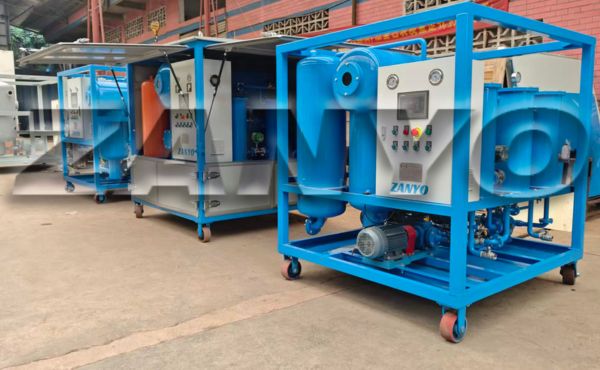
Oil filtration is the main method for removing solid particles and sludge from oil. Oil purifiers use centrifugal force or special filters to separate contaminants from the oil. Centrifugal oil filtration spins the oil at high speeds, forcing heavier particles and sludge to the outer edge where they can be collected.
Some systems use fine mesh filters to trap dust, ash, and metal particles. These filters must be cleaned or replaced regularly to keep oil filtration effective. Sludge removal is especially important because it can build up quickly and block oil passages.
Oil filtration systems often combine several methods to achieve the best results. For example, a purifier may use both centrifugal force and mechanical filters to remove a wide range of contaminants. This approach ensures that even the smallest particles and sludge are captured.
Removal Effectiveness
Modern oil purifiers can remove up to 99.5% of solid particles from oil. High-efficiency oil filtration systems target both large and microscopic contaminants. This level of filtration helps prevent sludge buildup and keeps oil clean for longer periods.
Filters play a key role in maintaining oil quality. Regular oil filtration reduces the risk of equipment failure caused by sludge and other solid contaminants. By removing sludge and particles, oil purifiers extend the life of both the oil and the machinery.
Tip: Schedule regular oil filtration and filter maintenance to avoid costly repairs and downtime.
Water and Moisture Removal
Sources of Water in Oil
Water enters oil through several pathways. Leaks in seals or gaskets allow water to mix with oil. Condensation forms when temperature changes cause moisture to collect inside machinery. Rainwater or washing processes can also introduce water into oil systems.
Water is one of the most common contaminants found in industrial oils.
Water Removal by Oil Purifier
An oil purifier uses advanced techniques to separate water from oil. Centrifugal force spins the oil rapidly, forcing water droplets to the outer edge where they are collected. Vacuum dehydration pulls moisture out by lowering pressure and boiling off water at low temperatures. Oil filters remove water by trapping droplets in special filter media.
| Method | How It Works | Typical Reduction Level |
|---|---|---|
| Centrifugal Separation | Spins oil to separate water | From 10,000 ppm to <100 ppm |
| Vacuum Dehydration | Removes water by evaporation | From high ppm to <100 ppm |
| Filter Media | Traps water droplets | Varies, often <200 ppm |
Removing water from oil protects machinery and improves performance. Most oil purifiers can reduce water content from thousands of parts per million to less than 100 ppm.
Impact on Oil Quality
Water in oil lowers quality and causes corrosion. It leads to rust, pitting, and wear on metal surfaces. Water also breaks down additives and forms sludge, which blocks oil flow.
Removing water helps maintain oil quality and extends equipment life.
Oil with low water content lasts longer and works better. Clean oil reduces maintenance costs and prevents unexpected failures.
Oil Filtration for Gases and Varnish
Gaseous Contaminants
Gases can enter oil during operation or maintenance. Air, nitrogen, and other gases dissolve in oil and form bubbles. These bubbles reduce lubrication and can cause cavitation in pumps.
Oil filtration removes gases by using vacuum dehydration or degassing chambers. An oil filtration machine creates a low-pressure environment. This process pulls out dissolved gases and prevents foaming.
Gaseous contaminants can also speed up oil oxidation. Removing these gases helps maintain oil stability and protects equipment.
Varnish and Oxidation Byproducts
Varnish forms when oil breaks down due to heat and oxidation. It appears as a sticky, yellow-brown deposit on metal surfaces. Varnish can block valves and restrict oil flow.
Oxidation byproducts include acids and sludge. These byproducts lower oil quality and damage machinery. Oil filtration targets both varnish and oxidation byproducts to keep systems clean.
An oil filtration system uses special filters to capture varnish particles. Some filters use electrostatic or depth filtration to trap very fine contaminants. Removing varnish extends equipment life and reduces maintenance needs.
Filtration Techniques
Oil filtration uses several techniques to remove gases and varnish. Vacuum dehydration removes water and gases at the same time. Depth filters trap small particles and varnish in thick filter media.
Electrostatic oil filtration attracts charged particles, including varnish, and holds them in the filter. An oil filtration machine often combines these methods for better results. Regular use of an oil filtration system keeps oil free from harmful contaminants.
Tip: Check filters often and replace them as needed to keep oil filtration effective.
Oil filtration is essential for protecting equipment from gases and varnish. Clean oil means fewer breakdowns and longer service life.
Fuel and Chemical Impurities
Fuel Contamination in Oil
Fuel contamination is a common problem in many oil systems. Small leaks or faulty seals can let fuel mix with oil. This type of contamination changes the oil’s viscosity and reduces its ability to protect machinery.
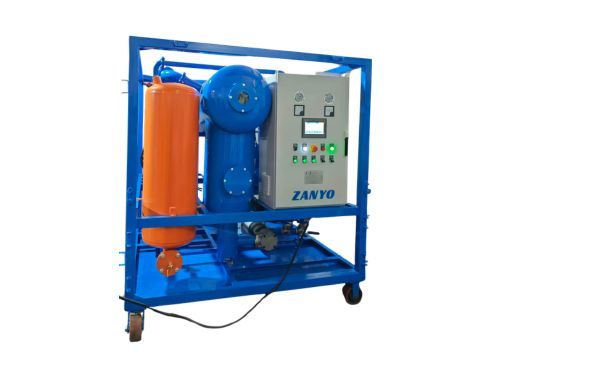
Oil filtration helps remove impurities like fuel from oil. Centrifugal filtration and coalescing filters are often used to separate fuel from oil. These filters trap fuel droplets and prevent them from circulating in the system.
Fuel in oil can cause rapid wear and lower equipment efficiency.
Oil filtration systems can detect and remove impurities before they cause damage. Regular filtration keeps oil clean and extends the life of both oil and equipment.
Chemical and Additive Removal
Chemical impurities can enter oil through chemical reactions, cleaning agents, or breakdown of additives. These impurities may include acids, detergents, or unwanted byproducts. Over time, they can harm metal surfaces and reduce oil performance.
Oil filtration uses advanced filters to remove impurities and unwanted chemicals. Depth filtration and absorbent filters capture dissolved impurities and help restore oil quality. Some systems use multi-stage filtration to target different types of impurities at each stage.
A table can help summarize the main methods for removing chemical impurities:
| Filtration Method | Targeted Impurities | Effectiveness |
|---|---|---|
| Depth Filtration | Dissolved chemicals | High |
| Absorbent Filters | Acids, detergents | Moderate to High |
| Multi-Stage Filtration | Multiple impurities | Very High |
Oil filtration is essential for keeping oil free from harmful impurities. Regular use of an oil purifier ensures that contaminants and chemical impurities do not build up. Clean oil means better protection and longer equipment life.
Conclusion
An oil purifier removes contaminants like water, solid particles, sludge, and fuel impurities. Cleaner oil means less wear and longer equipment life. Regular oil purification supports oil cleanliness and helps maintain better quality oil.
- Contaminant-free oil improves system reliability.
- Oil filtration leads to fewer breakdowns and lower costs.