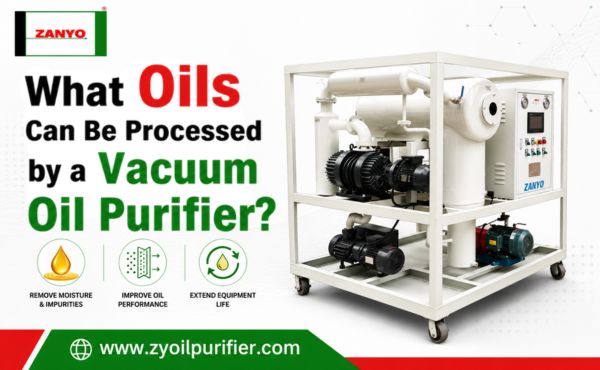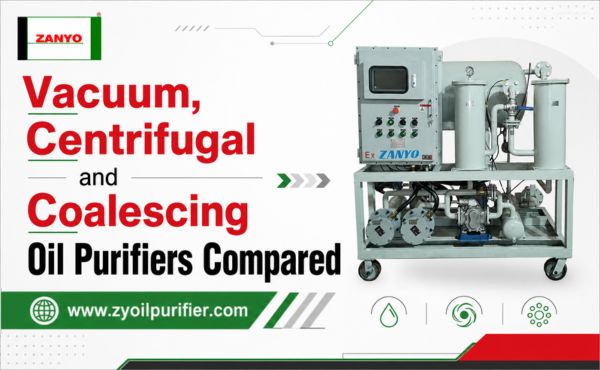
Lube oil can collect many contaminants such as water, particulates, sludge, chemicals, air, rust, soot, and microorganisms. These harmful substances weaken lubricating properties and can cause equipment failure. Purification and prevention solutions help keep oil clean and reduce the risk of contamination.
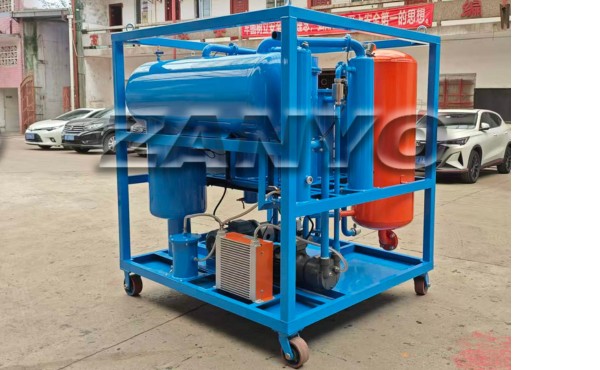
Lube Oil Contamination Overview
What Is Lube Oil Contamination
Lube oil contamination happens when unwanted substances enter lubricating oils. These substances can include water, dirt, sludge, chemicals, air, and even microorganisms. Each type of contamination affects the purity and quality of the oil in different ways.
The main sources of lube oil contamination are the environment, machine wear, and improper storage. Water can enter through condensation or leaks. Particulates and dirt often come from the air or worn machine parts.
There are several types of contamination. Water and moisture can cause rust and corrosion. Particulates can scratch and wear down metal surfaces. Chemical by-products and sludge can block oil passages and lower the quality of the oil.
Why Clean Lubricating Oils Matter
Clean lubricating oils protect machines and help them last longer. When oil stays pure, it reduces friction and prevents overheating. This keeps equipment running smoothly and lowers the risk of breakdowns.
Maintaining the purity and quality of lube oil also saves money on repairs and downtime. Regular checks help spot problems early and keep levels of contamination low. Good oil quality means less wear and better performance.
A simple table shows the benefits of clean lubricating oils:
| Benefit | Result |
|---|---|
| Less friction | Longer equipment life |
| Fewer breakdowns | Lower repair costs |
| Better performance | Higher productivity |
Lube oil contamination is a serious issue. Understanding the type of contamination and its effects helps keep oil pure and machines safe.
Major Lube Oil Contaminants
Water and Moisture
Water contamination is a common problem in lube oil. Water can enter oil through condensation, leaks in coolers, or faulty seals. Humid environments and temperature changes also increase the risk of water contamination.
Water in oil appears in three forms: dissolved, emulsified, and free. Dissolved water mixes with oil at a molecular level. Emulsified water forms tiny droplets that make the oil look cloudy. Free water settles at the bottom of tanks or reservoirs.
Water contamination causes rust and corrosion inside machines. It reduces the lubricating ability of oil and leads to metal surface damage. Water also encourages the growth of microorganisms, which can create acids and sludge.
Particulates and Dirt
Particulate matter and metal debris are solid contaminants found in lube oil. These particles come from dust, dirt, and wear inside machines. External contamination often happens during oil handling, storage, or when seals fail.
Particulates scratch and wear down metal surfaces. Metal debris can block oil passages and cause serious damage to moving parts. Even small particles can shorten the life of lubricating oils and equipment.
A table shows the main sources and effects of particulate matter and metal debris:
| Source | Effect on Machinery |
|---|---|
| Dust and dirt | Increased wear |
| Metal debris | Blocked oil passages |
| External contamination | Reduced oil life |
Keeping oil clean from particulates is important for machine health and long service life.
Sludge and Soot
Sludge and carbon deposits form when oil breaks down under high heat or reacts with contaminants. Soot comes from incomplete fuel burning in engines. Sludge builds up from oxidation, water, and other impurities.
Sludge and carbon deposits block oil filters and passages. They reduce the flow of oil and cause overheating. These deposits also lower the lubricating quality of oil and increase the risk of equipment failure.
Sludge and carbon deposits are dangerous because they can hide inside machines and cause sudden breakdowns.
Chemical By-Products
Chemical by-products form when oil reacts with oxygen, fuel, or coolant leaks. These reactions create acids, varnish, and other harmful substances. High temperatures and long oil use increase the risk of chemical contamination.
Chemical by-products attack metal surfaces and seals. They can change the oil’s properties and make it less effective for lubricating. Acidic by-products also speed up rust and corrosion.
External contamination from cleaning agents or process chemicals can add to the problem. Regular oil analysis helps detect chemical by-products early.
Air, Gas, and Microorganisms
Air and gas can enter lube oil through leaks, agitation, or poor system design. Microorganisms grow in oil when water and nutrients are present. These contaminants are often overlooked but can cause serious problems.
Air bubbles reduce the lubricating film and lead to increased wear. Gases can form foam, which lowers oil pressure and causes pump damage. Microorganisms produce acids and sludge, which harm both oil and machinery.
Air, gas, and microorganisms can shorten oil life and increase maintenance costs. Regular monitoring and good storage practices help control these contaminants.
Lube Oil Purification Methods
Filtration Solutions
Filtration is the most common method for removing solid contaminants from lube oil. Effective lube oil filtration systems use filters to trap particulates, dirt, and metal debris. Lube oil filtration technology works best for oil filtration when the main concern is solid contamination.
Filtration is simple and cost-effective. It does not remove water or dissolved chemicals. Use filtration for routine maintenance and when solid removal is needed.
Centrifugation and Separation
Centrifugation uses spinning force to separate oil from water and heavier contaminants. This method is ideal for removing water, sludge, and some particulates. Centrifuges work well in systems where water contamination is frequent.
A table shows the main benefits and drawbacks:
| Method | Pros | Cons |
|---|---|---|
| Centrifugation | Fast removal of water | Needs special equipment |
| Separation | Handles sludge | Not for dissolved chemicals |
Centrifugation is effective for large volumes of oil. It does not remove gases or dissolved by-products.
Dehydration Techniques
Dehydration removes water from oil using heat or vacuum. This method targets water contamination and prevents rust and microbial growth. Dehydration is important for lubricating oils in humid environments.
Use dehydration when water removal is critical. It keeps oil dry and extends equipment life.
Chemical Treatments
Chemical treatments use additives to neutralize acids or dissolve sludge. These methods help with chemical contamination and sludge removal. Chemical treatments are useful when oil has been exposed to coolant leaks or oxidation.
Chemical treatments can restore oil properties. They may require careful handling and monitoring. Use chemical treatments for targeted removal of harmful by-products.
Each purification method addresses specific contaminants. Choose the right method based on the type of contamination and oil condition.
Prevent Contaminants in Lube Oil
Storage and Handling
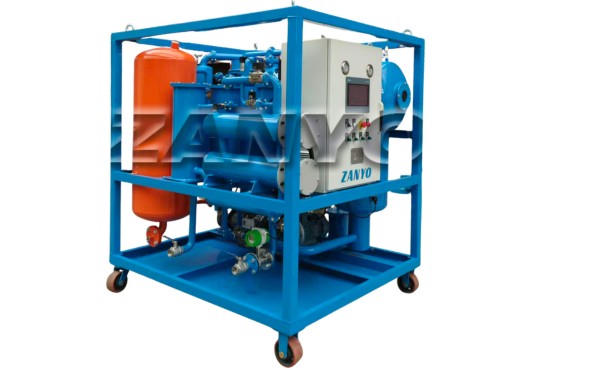
Proper storage and handling help prevent contaminants from entering lube oil. Always store oil in clean, sealed containers. Keep containers away from moisture and dust. Use dedicated tools for transferring oil to avoid cross-contamination. Label containers clearly to reduce mistakes. Train staff to follow contamination control procedures.
Monitoring and Testing
Regular monitoring and testing are key parts of contamination control. Oil condition monitoring helps detect problems early. Take oil samples at set intervals and send them to a lab for analysis. Use simple field tests to check for water or particulates. Record all test results to track oil quality over time.
A table shows common tests and their purpose:
| Test Type | Purpose |
|---|---|
| Crackle Test | Detect water |
| Particle Count | Measure particulates |
| Acid Number | Check chemical by-products |
Maintenance Practices
Good maintenance practices protect lubricating systems from contaminants. Change oil and filters based on manufacturer guidelines. Inspect seals and gaskets for wear. Clean equipment surfaces before adding new oil. Schedule regular maintenance to keep systems running smoothly.
- Use a checklist for maintenance tasks.
- Replace damaged parts quickly.
- Keep records of all maintenance activities.
Contamination control depends on consistent effort. Prevent contaminants by combining proper storage, oil condition monitoring, and timely maintenance. These steps extend equipment life and improve performance.
FAQ
Why is water contamination particularly damaging to lube oil?
Water is one of the most harmful contaminants. It promotes oxidation, acid formation, additive depletion, corrosion, and microbial growth. In mineral oils, it shortens fluid life; in some synthetic oils, it can reverse chemical processes. Water also reduces load-carrying capacity and film strength.
How do solid particles affect lubrication systems?
Solid particles (measured by ISO 4406 cleanliness codes) cause abrasive wear, surface fatigue, filter plugging, and increased friction. Even sub-micron particles (<4 microns) that standard tests may miss can significantly impact reliability.
How often should lube oil be purified or tested?
Frequency depends on the application, but regular monitoring (e.g., particle counting, water content via Karl Fischer, and spectroscopy) is recommended. Many systems benefit from continuous or bypass purification. Centrifuges and offline filters can extend oil life dramatically and reduce downtime.