Industrial oil purification uses advanced technology to remove contaminants from oils used in machines. These systems restore the quality of used or dirty oil, making it suitable for reuse. Industrial oil purification helps protect equipment by ensuring oil stays clean and free from harmful particles.
Oil purification plays a major role in reducing mechanical wear and preventing breakdowns. Clean oil from industrial oil purification systems supports longer equipment life and reliable performance. Industry professionals must understand oil purification to maintain efficient and safe operations.
Oil purification also cuts maintenance costs and limits downtime. Industrial oil purification systems make it possible to recycle oil and reduce waste. Mastering oil purification is essential for anyone managing industrial machinery.
Why Industrial Oil Purification Matters
Reliability and Equipment Life
Oil filtration is essential for protecting machinery that relies on industrial oils. Filtration removes harmful particles that cause wear and tear. Clean oil means longer equipment life and fewer unexpected breakdowns.
Oil purification supports oil cleanliness by removing water, solids, and other contaminants. This process helps maintain the performance of engines, turbines, and hydraulic systems. Reliable oil filtration ensures that oil regeneration is possible, which keeps machines running smoothly.
Contamination control is a key part of extending equipment life. When filtration systems work well, they prevent damage from dirt and debris. This leads to better performance and less downtime.
Operational Efficiency
Efficient oil filtration improves the performance of industrial systems. When oil stays clean, machines operate at their best. Filtration reduces friction and heat, which boosts efficiency and lowers energy use.
Oil purification and oil regeneration both help maintain high performance. With proper contamination control, equipment can run longer between maintenance cycles. This means more production and less time spent on repairs.
Maintenance and Cost Benefits
Oil filtration offers a cost-effective solution for managing industrial oils. By removing contaminants, filtration reduces the need for frequent oil changes. This saves money on oil purchases and disposal.
Oil regeneration allows companies to reuse oil, which cuts waste and supports sustainability. Filtration also lowers maintenance costs by preventing damage and reducing the number of repairs needed.
A strong contamination control program leads to better oil cleanliness and improved performance. Investing in quality oil filtration systems is a smart solution for any operation that values efficiency and reliability.
Oil Contaminants in Industrial Systems
Industrial oils face many threats that can reduce their effectiveness. Oil contaminants enter systems from the environment, machine wear, or during maintenance. Understanding these threats helps prevent equipment problems.
Particulates and Solids
Solid particles are a common type of impurity in industrial oils. These include dust, metal shavings, and fibers from seals or filters. Even small amounts of particulates can scratch surfaces and cause wear.
Water and Moisture
Water is a harmful contaminant in oil systems. It can enter through leaks, condensation, or during cleaning. Water causes rust, reduces lubrication, and can lead to equipment failure.
A small amount of moisture can change oil properties. This makes it harder for machines to run smoothly. Removing water is key to keeping oil in good condition.
Gases and Oxidation
Air and other gases can mix with oil during operation. This can cause bubbles, foaming, and loss of lubrication. Oxygen in the air reacts with oil, leading to oxidation.
Oxidation forms acids and sludge. These byproducts damage metal parts and reduce oil life. Monitoring for gases helps prevent these issues.
Varnish and Degradation
Varnish forms when oil breaks down under heat and pressure. It appears as a sticky layer on metal surfaces. Varnish can block valves and restrict oil flow.
Degradation also produces sludge and acids. These substances lower oil performance and can harm equipment. Preventing oil contaminants like varnish is vital for system health.
Industrial Oil Purification System Operation
Core Components
An industrial oil filtration system uses several main components to achieve effective purification. The heart of the system is the filtration unit, which removes solid particles and debris from the oil. Most systems include a pump that moves oil through the filtration process at a controlled rate.
A heating element often helps reduce oil viscosity, making filtration more efficient. The system also contains water separators to remove moisture and prevent rust. Sensors and gauges monitor oil quality and system performance.
Process Flow
The process flow in an oil filtration system follows a clear path. First, the system draws contaminated oil from the equipment reservoir. The oil passes through a coarse filter that traps large particles.
Next, the oil moves to finer filtration stages, where smaller contaminants are removed. Water separators extract moisture, and some systems use vacuum chambers for deeper purification. The clean oil then returns to the equipment, ready for reuse.
A typical oil filtration system process includes these steps:
- Oil intake from the machine or storage tank.
- Initial coarse filtration to remove large solids.
- Fine filtration for smaller particles.
- Water separation and removal.
- Optional vacuum or advanced purification.
- Return of purified oil to the system.
This process keeps oil clean and extends the life of both the oil and the machinery.
Monitoring and Control
Monitoring and control are vital for any oil filtration system. Sensors track oil cleanliness, temperature, and flow rate throughout the system. Operators use control panels to adjust settings and respond to alerts.
Modern systems often feature automatic shutdowns if contamination levels rise or if there is a system fault. Data from the monitoring devices helps schedule maintenance and predict when filters need replacement. This approach ensures the purification process remains reliable and efficient.
A well-designed oil filtration system combines strong purification, efficient process flow, and advanced monitoring. These features work together to protect industrial equipment and keep operations running smoothly.
Oil Filtration System Methods
Filtration Techniques
Oil filtration uses several techniques to remove contaminants. The most common method is mechanical filtration, which traps particles in filter media. Effective oil filtration depends on the filter’s ability to capture solids without restricting flow. Many systems use layered filters to improve oil cleanliness. Operators select filtration based on oil type and contamination level.
Centrifugation
Centrifugation separates impurities from oil using high-speed rotation. The system spins oil rapidly, forcing heavier particles and water to the outer edge. This process supports effective oil filtration by removing solids and moisture. Centrifugation works well in systems with large volumes of oil. It is often used in oil filtration solutions for heavy machinery.
Vacuum Dehydration
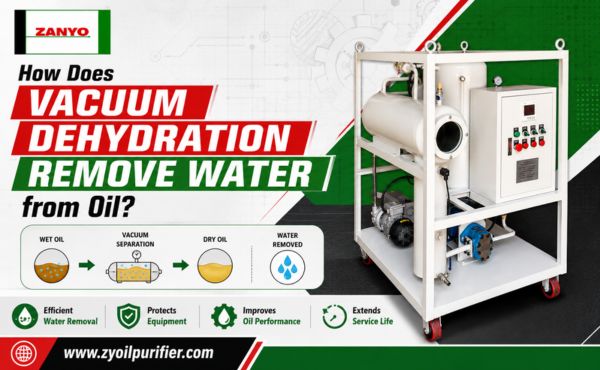
Vacuum dehydration removes water and gases from oil. The system creates a vacuum, lowering pressure and causing moisture to evaporate. Effective oil filtration relies on this method to protect equipment from rust and oxidation. Vacuum dehydration is suitable for systems that require high purity. It helps maintain oil quality in advanced filtration systems.
Coalescence and Separation
Coalescence combines small water droplets into larger ones for easier removal. The system uses special filters that attract and merge droplets. Separation then removes these droplets from the oil. Effective oil filtration uses coalescence to manage water contamination. This method is common in systems where water is a frequent problem.
Advanced Methods
Advanced filtration systems use technologies like electrostatic filtration and membrane separation. These systems target fine particles and dissolved contaminants. Effective oil filtration improves with these methods, especially in sensitive applications. Operators choose advanced methods for systems that demand strict oil cleanliness. These oil filtration solutions support modern industry needs.
Types of Oil Filtration Systems
Portable Systems
Portable oil filtration systems offer flexibility for many industries. These systems are easy to move and set up near different machines. Operators use portable oil filtration to clean oil in various locations without shutting down the main system.
A portable system often includes a pump, filter unit, and hoses. This setup allows for quick filtration of oil in storage tanks or equipment reservoirs. Portable oil filtration helps maintain oil quality during routine maintenance.
Online Filtration
Online oil filtration works while equipment is running. This system connects directly to the machinery and filters oil continuously. Online filtration removes contaminants before they can damage the system.
Continuous oil filtration keeps oil clean and extends equipment life. This method reduces downtime because the system does not need to stop for oil filtration. Online oil filtration is common in power plants and manufacturing lines.
A table below shows the main benefits of online oil filtration:
| Benefit | Description |
|---|---|
| Continuous cleaning | Oil filtration happens all the time |
| Less downtime | System stays in operation |
| Better protection | Filtration prevents early wear |
Dedicated Systems
Dedicated oil filtration systems serve one machine or process. These systems are built into the equipment and provide constant oil filtration. A dedicated system ensures that oil stays clean for critical operations.
This type of oil filtration system uses advanced filters and sensors. The system monitors oil quality and adjusts filtration as needed. Dedicated oil filtration is important for high-value machines that cannot risk failure.
Each type of oil filtration system supports different needs. Choosing the right system depends on the application, oil type, and contamination risks.
Industry Standards for Oil Filtration
ISO 4406 Overview
ISO 4406 is a global standard for measuring oil filtration performance. This standard helps industries check the cleanliness of oil filtration systems. ISO 4406 uses a code to show how many particles are in the oil after filtration.
The code has three numbers. Each number shows the amount of particles in a certain size range. This helps workers know if the oil filtration process meets cleanliness goals.
Cleanliness Codes
Cleanliness codes are important for oil filtration. These codes show how clean the oil is after filtration. Cleanliness codes use the ISO 4406 standard to rate oil filtration results.
A typical cleanliness code looks like this: 18/16/13. Each number stands for a particle size group. Lower numbers mean better cleanliness after filtration.
| Code Example | Particle Size (µm) | Cleanliness Level |
|---|---|---|
| 18/16/13 | >4, >6, >14 | Good |
| 21/19/16 | >4, >6, >14 | Needs Attention |
Cleanliness codes help workers track oil filtration quality. They also guide when to change filters or improve filtration steps.
Compliance Practices
Industries must follow best practices for oil filtration compliance. Regular testing checks if oil filtration systems reach the right cleanliness levels. Workers use cleanliness codes to decide if more filtration is needed.
A good compliance plan includes these steps:
- Test oil filtration systems often.
- Record cleanliness codes after each filtration cycle.
- Adjust filtration methods if cleanliness drops.
Meeting industry standards for oil filtration protects equipment and supports long-term cleanliness. Following these practices ensures oil filtration systems deliver the best results.
Choosing an Oil Filtration System
Oil Type and Contaminants
Selecting an oil filtration system starts with understanding the oil type used in your equipment. Different oils require specific filtration methods to remove contaminants. Some oils contain additives that affect filtration performance.
Operators must identify the main contaminants present, such as water, particulates, or gases. Oil filtration systems should match the contamination profile for best results.
A table below shows common oil types and their typical contaminants:
| Oil Type | Common Contaminants |
|---|---|
| Hydraulic Oil | Water, particulates |
| Gear Oil | Metal, solids |
| Turbine Oil | Varnish, moisture |
System Capacity
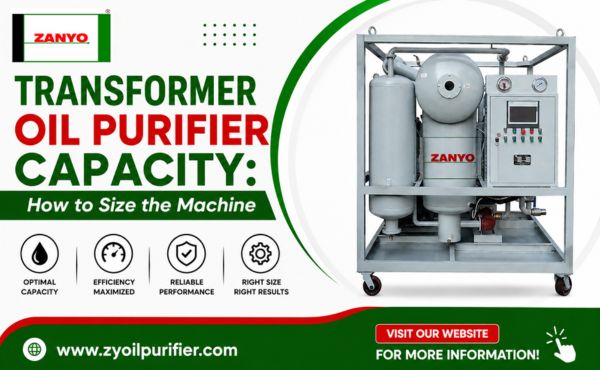
System capacity determines how much oil filtration can handle at one time. Large machines need filtration systems with higher flow rates. Small equipment may use compact filtration units.
Operators must check the oil volume and choose a filtration system that matches the demand.
Maintenance Needs
Maintenance is a key factor in oil filtration system selection. Some filtration systems require frequent filter changes. Others use self-cleaning features to reduce maintenance.
Operators should consider the ease of access for filter replacement and cleaning.
Regular maintenance keeps oil filtration systems working efficiently and prevents downtime.
Application Fit
Matching the oil filtration system to the application ensures reliable performance. Power plants need continuous filtration for critical equipment. Manufacturing lines benefit from portable filtration units for flexibility.
Operators must review the operational requirements and select filtration systems that fit the environment.
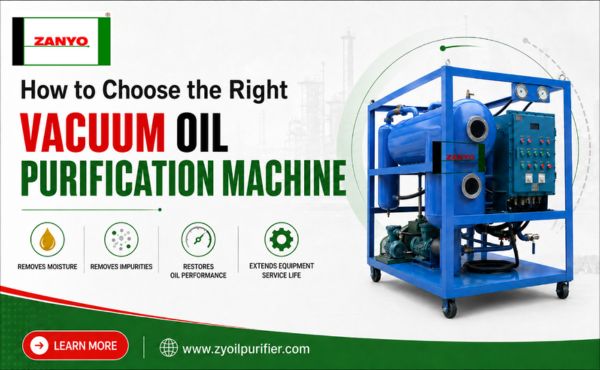
Choosing the right oil filtration system involves evaluating oil type, contamination level, system capacity, maintenance needs, and application fit. Operators should compare features and select filtration solutions that meet industry standards and operational goals.
Industrial Oil Filtration Applications
Power Generation
Power plants rely on industrial oil filtration to keep turbines and generators running smoothly. Filtration removes particles, water, and gases from lubricating oils. This process helps prevent equipment failures and supports steady power output.
Operators use advanced filtration to maintain oil quality in high-temperature environments. Clean oil reduces wear on moving parts and extends the life of expensive machinery. Regular filtration checks are part of every maintenance plan in power generation.
Manufacturing
Manufacturing facilities use filtration to protect hydraulic systems, presses, and gearboxes. Industrial oil filtration keeps production lines moving by removing contaminants from oils. This reduces downtime and improves product quality.
Filtration systems in factories often run continuously to handle heavy workloads. Operators select filtration methods based on the type of oil and the level of contamination. Clean oil supports efficient machine operation and lowers repair costs.
A table below shows common manufacturing equipment and their filtration needs:
| Equipment | Filtration Focus |
|---|---|
| Hydraulic Presses | Particle removal |
| Gearboxes | Metal debris control |
| Compressors | Moisture reduction |
Marine and Transport
Ships and transport vehicles depend on filtration to protect engines and hydraulic systems. Industrial oil filtration removes salt, water, and dirt from oils used in marine engines. This helps prevent corrosion and engine damage.
Filtration systems on ships must handle large oil volumes and harsh conditions. Regular filtration ensures reliable operation during long voyages. Clean oil also improves fuel efficiency and reduces emissions.
Oil and Gas
The oil and gas industry uses filtration to keep drilling and processing equipment in top condition. Industrial oil filtration removes sand, water, and fine particles from lubricants and hydraulic fluids. This protects pumps, valves, and other critical components.
Filtration is essential in environments with high contamination risks. Operators use multi-stage filtration systems to achieve strict cleanliness standards. Clean oil helps prevent breakdowns and supports safe, continuous production.
FAQ
What Is an Industrial Oil Purification System?
An industrial oil purification system removes water, particles, gases, sludge, and other contaminants from industrial oils. It restores oil cleanliness, improves equipment performance, extends oil life, and helps reduce maintenance costs and downtime.
What Contaminants Can an Industrial Oil Purification System Remove?
Industrial oil purification systems can remove solid particles, water, moisture, air, dissolved gases, sludge, varnish, and oxidation by-products. The contaminants removed depend on the filtration and purification technology used.
What Maintenance Is Required for Oil Purification Systems?
Routine maintenance includes replacing filters, inspecting pumps and seals, cleaning key components, and monitoring system performance. Regular servicing helps maintain purification efficiency and prolong system life.