
Turbine Oil Filtration Machine From China Manufacturer and Supplier
ZANYO is a leading manufacturer and supplier of turbine oil filtration machines, offering reliable and high-quality purification solutions. We provide vacuum dehydration or centrifugal filtration system, both designed to effectively remove water, gases, and solid contaminants from turbine oil.
Our machines are engineered to ensure optimal performance and long-term protection for your equipment. By choosing ZANYO, you will benefit from tailored solutions and excellent customer support.
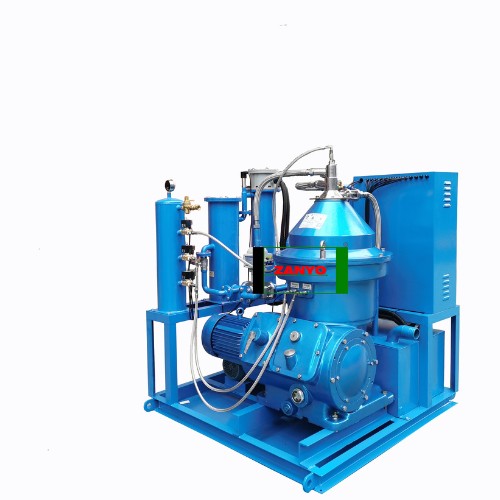
Centrifugal Lube Oil Purifier
Centrifugal Lube Oil Purifier for Industrial Lubrication Systems This disc stack centrifugal [...]
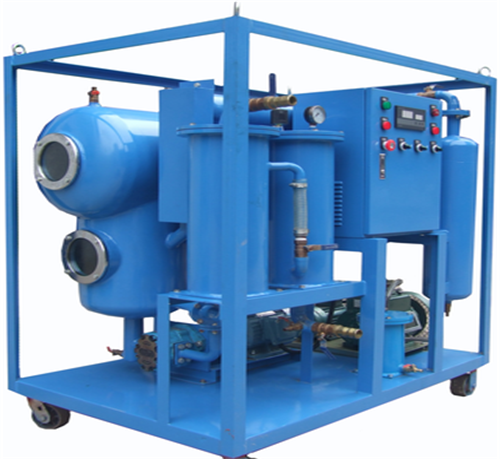
ZYT Turbine Oil Filtration Machine
Performance and Usages ZYT Vacuum Turbine Oil Filtration Machine is a special equipment for filtering turbine oil (steam [...]
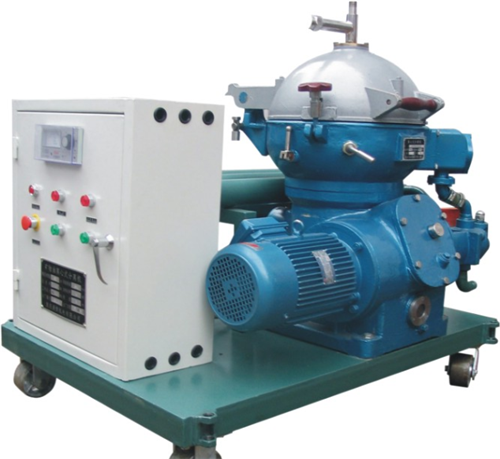
Centrifugal Turbine Oil Purifier
Performance and Usages ZYCF Centrifugal Turbine Oil Purifier is mainly used to remove free water and mechanical impurities [...]
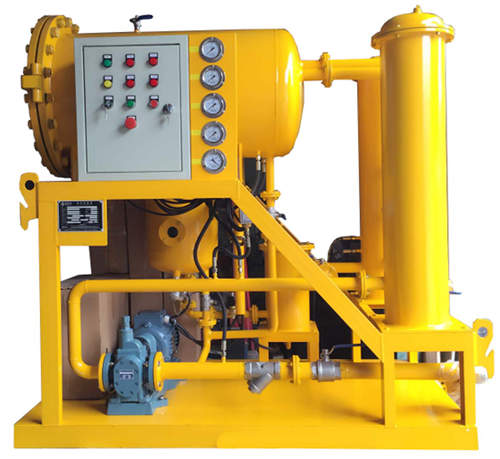
Vacuum-Free Coalescence Separation Oil Purifier System
A coalescence separation oil filter is designed to remove [...]
Understanding Turbine Oil Purification System for Ships
Turbine oil purification is essential for maintaining the health of marine engines and machinery. Over time, contaminants like water, debris, and acids can degrade the oil, leading to equipment failure and costly repairs. Proper oil purification ensures that turbine oil stays clean, extending the life of your equipment and optimizing performance.
To achieve this, using oil purifier on ships is a crucial solution. This machine is designed to remove impurities and contaminants from the oil, improving its quality and ensuring smooth engine operation. If you’re looking to maintain high operational standards, investing in a reliable oil cleaning system is the key to preventing unplanned downtime and costly maintenance.
Benefits of Turbine Oil Purification
Applications of Turbine Oil Filtration Machines
Why Choose Zanyo For Turbine Oil Filtration Machine?
High-Quality and Durable Products
ZANYO’s turbine oil filtration machines are manufactured with high-quality materials and advanced technology. They comply with international standards, ensuring excellent performance and long-lasting durability
Customization
ZANYO offers customizable centrifugal oil filtration systems with options like PLC integration for automation, logo printing for branding, and a selection of filter membrane materials to meet your specific needs.
Reliable Support
From helping you select the right product to offering training, ZANYO provides full support at every stage. Our after-sales service also includes maintenance advice and repairs during the warranty period.
Global Delivery
ZANYO products are available worldwide. We provide local support with multilingual control systems. We ensure transparency in the process with production schedules, photos, and videos. Our goal is to deliver your products on time and meet your expectations.
What Is a Turbine Oil Filtration Machine?
A turbine oil filtration machine is an industrial system that removes contaminants — including water, solids, gases, and degradation byproducts — from turbine and industrial lubricants. It restores oil quality, extends service life, and reduces the risk of failures in turbines, compressors, gearboxes, and hydraulic systems.
Unlike simple filters, these machines combine vacuum dehydration, multi-stage filtration, centrifugal separation, and controlled heating to achieve thorough purification, even for heavily contaminated oil.
Why Filtration Matters in Turbine Systems
Turbine applications — whether gas turbines, steam turbines, or hydro turbines — operate under high temperatures, high RPMs, and strict tolerances. In these environments, even minor oil contamination can trigger cascading failures.
Primary Contaminants and Their Effects
-
Water – dissolves into oil during operation or storage. Water compromises lubrication, accelerates oxidation, and fosters corrosion.
-
Particulate Solids – metal wear debris, dust, and external particles increase friction, wear, and bearing stress.
-
Gases – entrained air or combustion gases degrade lubrication film strength and can lead to cavitation.
-
Oxidation Products – acids and sludge from thermal and oxidative breakdown reduce oil performance and clog filters.
The turbine oil filtration machine systematically removes these contaminants to maintain critical lubricant properties such as viscosity, demulsibility, oxidation stability, and film strength — all essential to bearing performance, seal integrity, and component life.
How Does a Turbine Oil Filtration Machine Work?
A turbine oil filtration machine is designed to remove contaminants, such as water, particles, and sludge, from turbine lubricating oil. This is essential for maintaining the performance and longevity of turbine systems. There are two common types of filtration methods used in turbine oil filtration machines: vacuum dehydration and centrifugal filtration.
-
Vacuum Dehydration: This method works by creating a vacuum to reduce the pressure and temperature of the oil. The lower pressure causes the water in the oil to evaporate, allowing it to be removed. The oil is then cooled and returned to the turbine.
-
Centrifugal Filtration: In centrifugal filtration, the oil is spun at high speeds in a centrifuge. This creates a strong force that separates contaminants, such as water and solid particles, from the oil. The contaminants are pushed to the outer walls, while clean oil remains in the center.
What Does a Turbine Oil Filtration System Include?
Filtration Unit
The filtration unit removes solid contaminants from the oil. It has two stages:
-
Primary filtration eliminates large particles, such as dust and metal debris.
-
Fine filtration captures smaller impurities, ensuring the oil stays clean and reducing wear on turbine components.
Vacuum Tank or Centrifugal Separator
-
Vacuum Tank: Works with the vacuum pump to separate and collect water and gases from the oil. The lower pressure inside the tank helps release trapped moisture and air bubbles.
-
Centrifugal Separator: Uses high-speed rotation to separate water, gases, and solid particles from the oil. Contaminants are pushed to the outer walls by centrifugal force, while clean oil remains in the center for reuse.
Heater
The heater warms the oil to an optimal temperature for purification. This improves the efficiency of both the vacuum dehydration and degassing processes, making it easier to remove water and dissolved gases while enhancing filtration.
PLC Control System
The PLC (Programmable Logic Controller) system automates the purification process, ensuring that filtration, dehydration, and degassing operate smoothly. It monitors critical parameters such as oil temperature, vacuum pressure, and contamination levels, making real-time adjustments to optimize performance.
Water Tank
The water tank collects the separated moisture from the oil. It allows for proper disposal or recycling, ensuring that excess water does not re-enter the system.
Pressure Gauge
The pressure gauge monitors the internal pressure of the purification system. Maintaining the correct pressure ensures efficient degassing and dehydration while preventing system malfunctions.