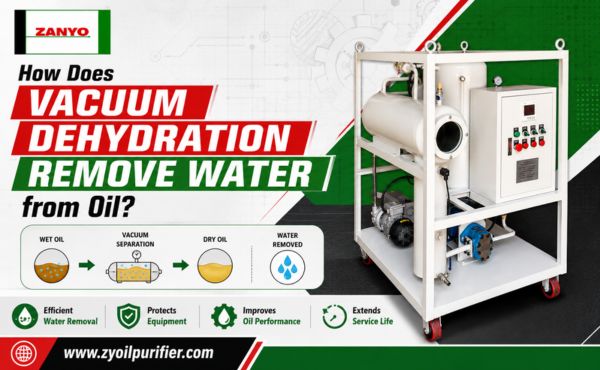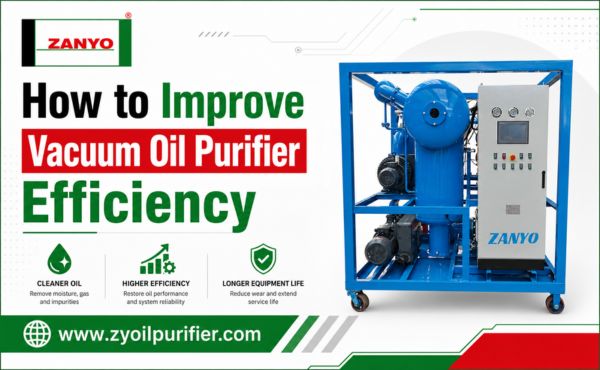
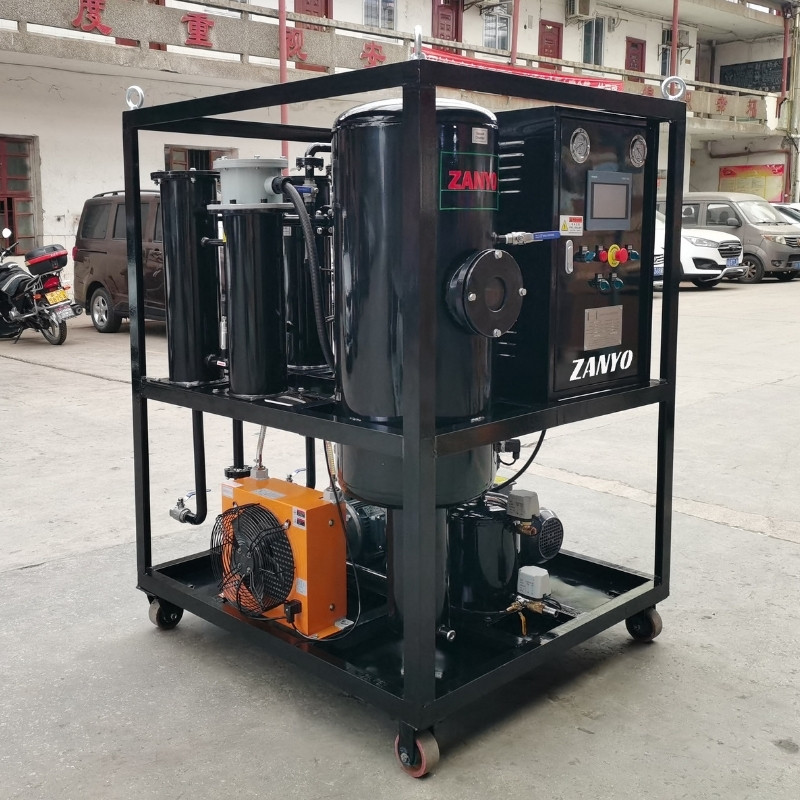
Turbine oils face serious threats when exposed to high moisture. Even a small increase in water content can cause rust, pitting, and damage to moving parts. Oil that holds too much water loses its ability to protect equipment. Operators must keep moisture below the oil’s saturation point. Using the right turbine oil purifier helps remove water quickly and keeps systems running smoothly.
High Moisture Risks in Turbine Oils
Corrosion and Component Wear
High moisture in turbine oils creates serious risks for metal parts. When water enters the oil, it reacts with metal surfaces. This reaction causes corrosion, which weakens parts like bearings and gears. Over time, rust forms and spreads. Corrosion leads to rough surfaces that increase friction and wear. As a result, equipment loses efficiency and may fail sooner than expected. Contamination from water and other impurities also speeds up this process. Operators must focus on contamination control to protect their machinery.
Emulsions and Demulsibility Issues
Water does not always separate easily from turbine oils. High moisture can mix with oil and form emulsions. These emulsions trap impurities and make it hard for oil to flow smoothly. When emulsions form, the oil’s ability to release water, called demulsibility, drops. Increased demulsification time means water and contaminant removal becomes more difficult. If the oil cannot shed water quickly, impurities stay in the system longer. This leads to more contamination and higher maintenance needs.
Note: High demulsibility is important for turbine oils because it helps keep water and impurities out of the system. Clean oil protects equipment and supports reliable operation.
System Failure and Downtime
Contamination from high moisture and other impurities can cause major problems. If water and contaminant levels rise, oil loses its protective qualities. Moving parts may grind or seize. This can lead to sudden system failure. Downtime for repairs or replacement is costly and disrupts operations. Preventing high moisture and controlling contamination are key steps for keeping turbine oils effective and equipment running.
Causes of Moisture in Turbine Oil Systems
Water Ingress and Sealing Problems
Moisture often enters turbine oil through several common sources. Inadequate sealing is one of the main reasons. When seals wear out or become damaged, gaps form and allow water to leak into the system. Rain, humidity, and condensation can also contribute to moisture buildup. Operators sometimes overlook small leaks, but even minor gaps can let in enough water to cause trouble. Cooling systems and maintenance activities may introduce moisture if proper procedures are not followed.
- Common sources of water ingress:
- Damaged or worn seals
- Faulty gaskets
- Condensation from temperature changes
- Improper maintenance practices
Tip: Regular inspection of seals and gaskets helps prevent unwanted moisture from entering turbine oil systems.
Emulsification from High Moisture
High moisture levels create another challenge for turbine oil systems. When water mixes with oil, it forms emulsions. These emulsions are difficult to separate and remove. The oil loses its ability to shed water quickly, which complicates purification. Emulsified oil traps contaminants and reduces lubrication efficiency. This makes it harder for purifiers to restore oil quality.
Operators must address emulsification to keep turbine oils working properly. Removing emulsions requires specialized equipment and careful monitoring. If emulsification is not controlled, the system may suffer from increased wear and reduced reliability.
Note: Emulsification slows down water removal and increases maintenance needs. Keeping moisture levels low helps avoid these problems.
Importance of Moisture Removal for Turbine Oils
Protecting Lubrication Efficiency
Moisture removal is essential for keeping oil at its best. When high moisture enters a turbine system, it lowers the oil’s ability to lubricate moving parts. This can lead to metal surfaces rubbing together and causing damage. Oil with too much water cannot form a strong film between parts. As a result, friction increases and parts wear out faster. Demulsibility plays a key role here. Good demulsibility means oil can quickly separate water and keep the system safe. If demulsibility drops, water stays in the oil longer and raises the risk of contamination. Operators must check demulsibility often to make sure oil protects equipment.
Tip: Regular testing of demulsibility helps spot problems before they affect performance.
Maintaining Oil Quality and Reliability
Keeping moisture below the oil’s saturation point is important for long-term performance. High moisture can cause oil to break down and lose its protective qualities. When demulsibility is high, oil can shed water and keep working well. Low demulsibility means water and contamination stay in the system, which leads to more maintenance and possible breakdowns. Reliable oil keeps turbines running and reduces the chance of sudden stops.
A simple table shows the effects of moisture on oil:
| Moisture Level | Demulsibility | Oil Quality | Maintenance Needs |
|---|---|---|---|
| Low | High | Good | Low |
| High | Low | Poor | High |
Operators should focus on demulsibility to keep oil clean and extend equipment life. Good demulsibility supports less contamination and better performance. This means less downtime and fewer repairs. Regular maintenance and moisture control help oil do its job and keep turbines reliable.
Choosing the Appropriate Turbine Oil Purifier
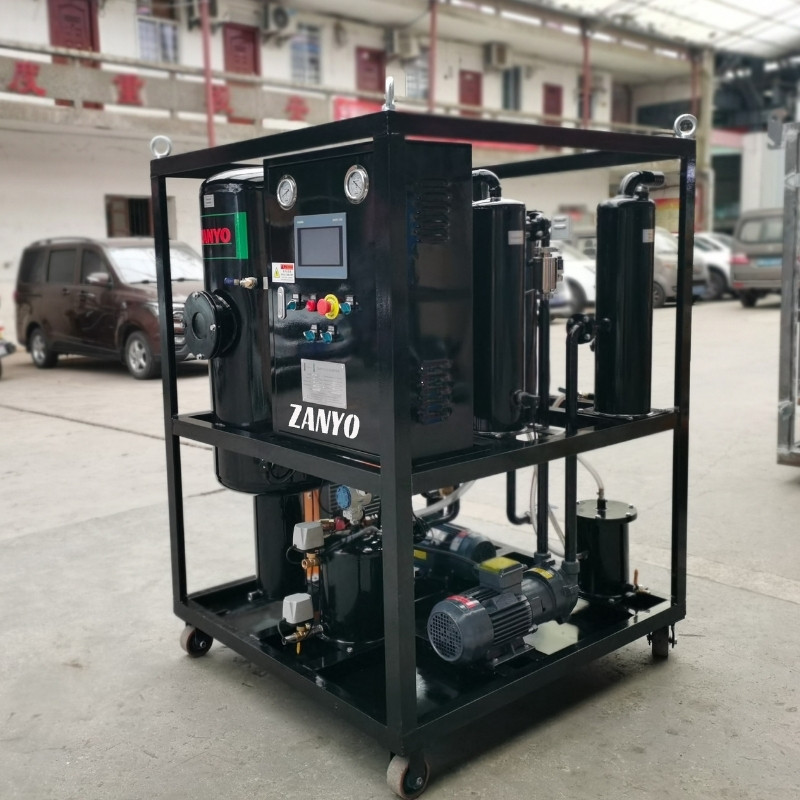
Dehydration and Demulsification Features
A modern turbine oil purifier must handle both dehydration and demulsification. Dehydration units remove water from oil, which protects the turbine from rust and wear. Demulsification features help oil separate water and other contaminants quickly. This process keeps the oil clean and supports high velocity oil flushing. Filtration systems also play a key role. They trap solid particles and prevent them from moving through the turbine oil system. Good filtration reduces contamination and helps maintain purity.
Water removal systems are important for both steam turbine oil and gas turbine oil. These systems use vacuum dehydration, coalescers, or centrifuges to pull water out of the oil. High demulsibility means the oil can shed water fast, which is critical for high velocity oil flush operations. Operators should look for purifiers that combine these features for the best contaminant handling.
Tip: Choose a purifier with both strong dehydration and demulsification abilities. This helps keep oil in top condition and supports high velocity oil flushing.
Benefits for System Longevity
The right purifier extends the lifespan of both the oil and the turbine. Clean oil reduces wear on moving parts and lowers the risk of oil degradation. High velocity oil flush and turbine oil system flushing remove old oil and contaminants, which helps new oil last longer. Good contaminant handling means less downtime and fewer repairs.
A table below shows how a quality purifier supports system longevity:
| Feature | Benefit for Turbine |
|---|---|
| Dehydration | Less rust and corrosion |
| Demulsification | Faster water removal |
| Filtration | Fewer solid contaminants |
| High velocity oil flush | Cleaner system, longer lifespan |
Long-lasting lubricating oils depend on proper maintenance and the use of an appropriate turbine oil purifier. Operators who focus on purity and oxidation stability see better results. Oxidation stability means the oil resists breaking down, which protects the turbine for a longer time.
Selecting the Right Purifier for High Moisture
Not all purifiers work well in high moisture environments. Operators must check the specifications of each unit. The best choice will have advanced water removal systems and strong filtration. It should also support high velocity oil flush and turbine oil system flushing. These features help remove both water and solid contaminants.
When choosing a purifier, consider these points:
- Can the unit handle the volume of oil in your turbine?
- Does it support high velocity oil flushing for deep cleaning?
- How well does it manage contaminant handling and filtration?
- Does it improve oxidation stability and oil lifespan?
A purifier that meets these needs will keep oil clean and extend the lifespan of the turbine. This protects against contamination and supports reliable operation. Operators should always select the appropriate turbine oil purifier for their system. This ensures the best performance for both steam turbine oil and gas turbine oil.
Note: Regular maintenance and the right purifier help maintain purity and reduce the risk of oil degradation.
Conclusion
Controlling moisture in turbine oils protects equipment and keeps operations reliable. Choosing an effective turbine oil purifier with strong moisture removal and demulsification features helps maintain oil quality. Operators should review their current systems and consider upgrades for better moisture management.
Regular assessment and proper maintenance reduce downtime and extend turbine lifespan.
- Evaluate your oil system
- Select the right purifier
- Improve moisture control
FAQ
What is the main purpose of a turbine oil purifier?
A turbine oil purifier removes water and contaminants from turbine oil. This process helps protect equipment from rust, wear, and breakdowns. Clean oil supports smooth operation and extends the life of turbines.
How often should I check moisture levels in turbine oil?
Operators should test moisture levels regularly. Monthly checks are common, but high-risk environments may need more frequent testing. Early detection helps prevent damage and keeps the system reliable.
Can a turbine oil purifier remove emulsified water?
Yes, a quality turbine oil purifier can remove both free and emulsified water. Advanced units use dehydration and demulsification features to separate water from oil, even when it forms stable emulsions.
What happens if moisture is not controlled in turbine oil?
Uncontrolled moisture can cause corrosion, increased wear, and system failure. Oil loses its protective qualities, which leads to costly repairs and downtime. Regular moisture control is essential for safe and efficient turbine operation.