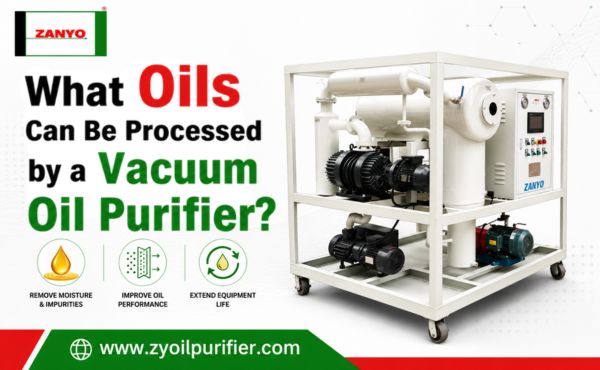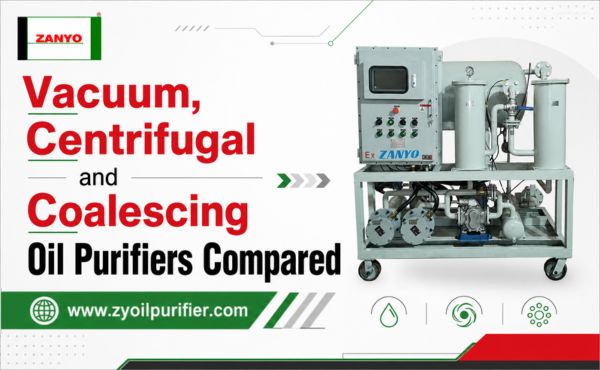
Transformer reliability depends heavily on the condition of its insulating oil. Effective Transformer Oil Filtration removes moisture, dissolved gases, and contaminants that can reduce dielectric strength and accelerate equipment aging. For utility companies, proper oil filtration helps extend transformer service life, improve operational reliability, and reduce maintenance costs. This guide explains the key principles, equipment, and best practices for selecting and implementing transformer oil filtration solutions.
Why Transformer Oil Filtration Is Essential
Impact on Transformer Reliability
Transformer oil plays a key role in cooling and insulating transformers. When contamination enters transformer oil, it can lower the oil’s ability to insulate. This makes transformers more likely to fail during normal operation.
Contamination can come from water, dust, or even gases. Each type of contamination affects transformer oil in a different way. Water contamination can cause electrical breakdowns, while dust contamination can block cooling paths.
Transformer oil filtration removes contamination and keeps the oil clean. Clean oil helps transformers run longer and with fewer problems. Utility companies rely on filtration to keep their equipment safe and reliable.
Risks of Contaminated Oil
Contamination in transformer oil can lead to many risks. The most serious risk is transformer failure. When contamination builds up, it can cause overheating and short circuits.
A transformer with high contamination may lose its ability to cool itself. This can result in fires or explosions. Contamination also speeds up the aging of transformer parts.
Here are some common risks caused by contamination:
- Reduced insulation strength
- Increased chance of electrical faults
- Higher maintenance costs
- Shorter transformer life
| Type of Contamination | Effect on Transformer Oil |
|---|---|
| Water | Lowers breakdown voltage |
| Dust | Blocks cooling channels |
| Gases | Causes oxidation |
Transformer oil filtration is the best way to control contamination. Regular filtration and testing help utility companies avoid costly repairs and outages. Clean transformer oil means safer and more efficient power delivery.
Transformer Oil Filtration Process
Key Steps in Filtration
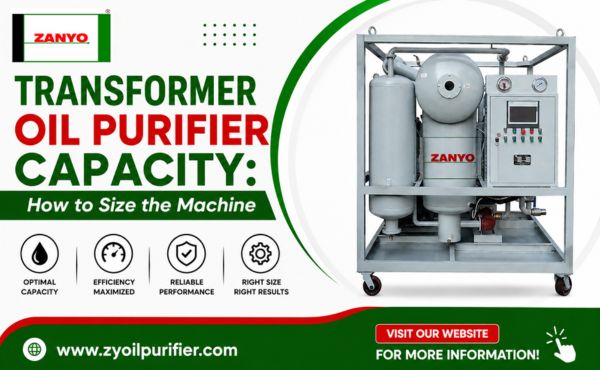
Transformer oil filtration is a multi-step process. The first step is draining the old transformer oil from the equipment. Next, the oil passes through a transformer oil filtration machine that removes contaminants like dirt, sludge, and water.
A transformer oil purification machine uses filters and heating elements to separate solid particles. The process also includes dehydration to lower moisture levels. This step is important because high moisture can cause transformer failure.
After filtration, the oil is tested for purity. Moisture measurement and breakdown voltage tests help confirm the oil is safe for use. Regular oil filtration keeps transformer oil clean and extends equipment life.
High Vacuum Technology
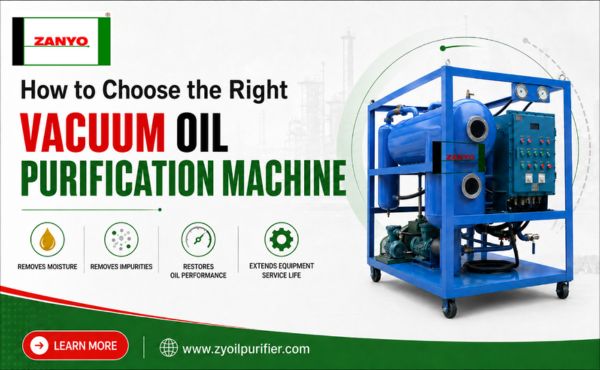
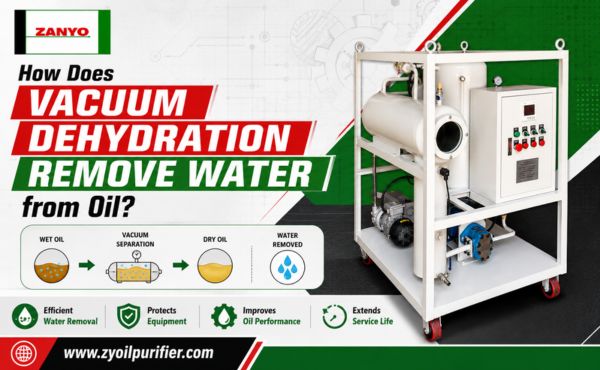
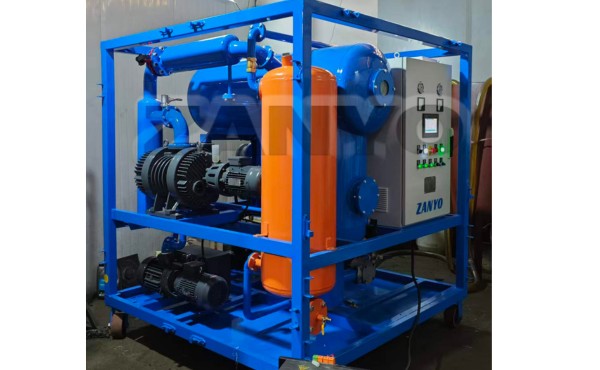
High vacuum technology is a key part of modern transformer oil filtration. A transformer oil filtration machine with high vacuum pumps can remove dissolved gases and moisture from transformer oil. This process is called vacuum dehydration.
The transformer oil purification machine creates a low-pressure environment. In this environment, water and gases evaporate at lower temperatures. This makes dehydration more effective and helps remove even tiny amounts of moisture.
Vacuum dehydration is important for reducing moisture levels and dissolved gases. Lower moisture means better insulation and less risk of electrical breakdown. High vacuum technology also helps remove other contaminants that can harm transformers.
| Technology | Purpose | Benefit |
|---|---|---|
| High Vacuum Pumps | Remove gases and moisture | Improved oil purity |
| Heating Elements | Aid in dehydration | Faster moisture removal |
| Fine Filters | Trap solid contaminants | Cleaner transformer oil |
Removal of Moisture, Gases, and Impurities
Transformer oil purification focuses on removing moisture, dissolved gases, and other contaminants. Moisture is one of the most dangerous contaminants in transformer oil. Even small amounts can lower the oil’s insulating strength.
A transformer oil filtration machine uses several methods for dehydration. These include heating, vacuum dehydration, and fine filtration. The transformer oil purification machine also targets dissolved gases, which can cause oxidation and reduce oil life.
Oil filtration removes solid contaminants like dust and metal particles. Each step in the process helps lower the risk of transformer failure. Moisture measurement after purification checks if the oil meets safety standards.
Transformer oil filtration is not a one-time task. Utility companies must use a transformer oil filtration machine and a transformer oil purification machine regularly. This ensures that dehydration, removal of dissolved gases, and elimination of contaminants keep transformer oil in top condition.
Transformer Oil Quality and Standards
IEC 60296 and IS 335 Overview
Utility companies must follow strict standards to keep transformer oil safe and effective. Two important standards are IEC 60296 and IS 335. These standards set the rules for the quality and testing of transformer oil.
IEC 60296 is an international standard. It covers the requirements for unused mineral insulating oils. IS 335 is an Indian standard that also focuses on mineral oils for electrical equipment.
Both standards help ensure that transformer oil has strong insulating properties. They list the limits for water content, acidity, and other impurities. Meeting these standards helps protect transformers from damage.
Oil Purity and Performance Metrics
The purity of transformer oil affects its insulating properties. Clean oil prevents electrical faults and keeps transformers running smoothly. Testing oil purity is a regular part of transformer oil filtration.
Important performance metrics include:
- Water content: High water lowers insulating properties.
- Acidity: Acid can damage transformer parts.
- Breakdown voltage: Shows how well the oil insulates.
- Particle count: Too many particles reduce oil quality.
| Metric | Ideal Value | Effect on Insulating Properties |
|---|---|---|
| Water Content | < 10 ppm | High water lowers insulation |
| Acidity | < 0.03 mg KOH/g | Acid harms insulating properties |
| Breakdown Voltage | > 60 kV | Higher value means better insulation |
| Particle Count | As low as possible | Fewer particles, better insulation |
Regular testing and transformer oil filtration help maintain these values. This keeps the insulating properties of transformer oil at their best. Utility companies should always check that oil meets the right standards before use.
Oil Testing and Analysis
Routine Testing Procedures
Routine testing is essential for transformer oil. Utilities use testing to monitor oil condition and prevent failures. Testing procedures help identify problems early.
Testing includes sampling, visual inspection, and laboratory analysis. Technicians collect oil samples from transformers at regular intervals. They check for color, clarity, and odor during initial inspection.
Laboratory testing provides more detailed results. Common tests include water content, acidity, and particle count. These tests show if the oil meets industry standards.
Testing procedures must follow strict guidelines. Utilities often use standards like IEC 60296 and IS 335. These standards ensure accurate and reliable results.
Routine testing helps utilities plan maintenance. Early detection of issues reduces the risk of transformer failure. Testing also supports safe and efficient operation.
Dielectric Testing Methods
Dielectric testing measures the insulating ability of transformer oil. This process checks the oil’s dielectric strength. High dielectric strength means the oil can resist electrical breakdown.
Technicians use special equipment for dielectric testing. The most common method is BDV testing. In BDV testing, a voltage is applied to the oil sample until it breaks down.
The test measures the breakdown voltage. Higher breakdown voltage means better insulation. Utilities perform dielectric testing regularly to ensure oil quality.
There are several types of dielectric testing. These include ac breakdown voltage, dc breakdown voltage, and impulse breakdown voltage. Each method checks different aspects of dielectric strength.
Dielectric testing follows industry standards. Standards ensure that results are consistent and reliable. Utilities rely on these tests to keep transformers safe.
Breakdown Voltage Measurement
Breakdown voltage is a key indicator of transformer oil quality. It shows how much voltage the oil can withstand before failing. High breakdown voltage means strong insulation.
BDV testing is the main method for measuring breakdown voltage. In BDV testing, technicians place an oil sample between two electrodes. They increase the voltage until the oil breaks down.
The test records the voltage at which breakdown occurs. This value is the BDV of the oil. Utilities use BDV testing to check if the oil meets safety standards.
Regular BDV testing helps detect moisture and contaminants. Low BDV values signal problems in the oil. Utilities must act quickly if BDV drops below acceptable levels.
BDV testing is part of a larger oil analysis program. Other tests include dissolved gas analysis and particle count. Together, these tests give a complete picture of oil condition.
Testing and analysis are ongoing tasks for utilities. Routine testing, dielectric testing, and BDV testing protect transformers from failure. Following industry standards keeps testing accurate and reliable. Utilities should make oil analysis a core part of their maintenance programs.
Choosing Filtration Equipment
Equipment Types and Features
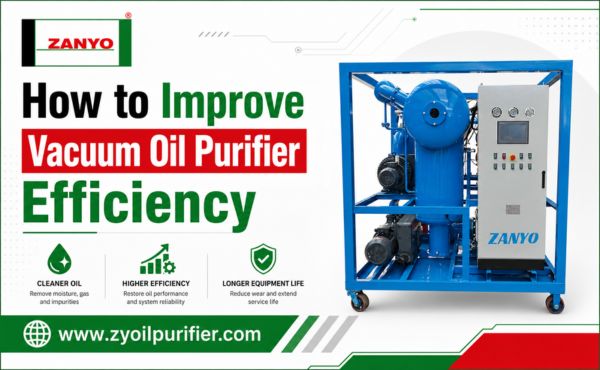
Utility companies need to select the right transformer oil filter systems for their operations. There are several types of systems, such as portable units, stationary units, and high vacuum machines. Each type offers different features, including flow rate, filtration stages, and moisture removal capability.
A good transformer oil filter system should remove water, gases, and solid particles. Some systems include built-in diagnostic tools to monitor oil quality during filtration. Look for systems that support both on-site and off-site filtration.
Evaluating Manufacturers
Selecting a reliable manufacturer is important for long-term performance. Check if the manufacturer follows industry standards for transformer oil filter systems. Review the company’s experience and reputation in the utility sector.
Ask for references from other utilities that use their transformer oil filter systems. Evaluate the availability of spare parts and technical support. Reliable manufacturers often provide training and detailed manuals for operation and maintenance.
| Criteria | Why It Matters |
|---|---|
| Standards Compliance | Ensures safety and reliability |
| Service Support | Reduces downtime |
| Training Availability | Improves staff skills |
Cost and Compatibility
Cost is a key factor, but it should not be the only one. Compare the total cost of ownership, including maintenance and energy use. Make sure the transformer oil filter systems are compatible with your existing equipment.
Check if the system can handle the volume of transformer oil in your fleet. Consider if the system supports future upgrades or new diagnostic features. A good investment will improve both filtration and diagnostic capabilities.
Maintenance and Troubleshooting
Routine Maintenance Tasks
Routine maintenance keeps transformer oil filtration systems working well. Utility companies should create a maintenance program that includes daily, weekly, and monthly checks. Daily maintenance tasks include checking oil levels, inspecting gauges, and cleaning filters.
Weekly maintenance involves testing oil samples and checking for unusual noises. Monthly maintenance tasks include inspecting hoses, tightening connections, and reviewing system logs. A strong maintenance program helps prevent unexpected failures.
Leak Detection and Prevention
Leaks can cause serious problems in transformer oil filtration systems. Regular maintenance helps spot leaks early. Technicians should inspect seals, gaskets, and fittings during every maintenance check.
A maintenance program should include leak detection tools. These tools help find small leaks before they become big issues. If a leak is found, maintenance teams must repair it right away.
| Leak Source | Inspection Frequency | Action Required |
|---|---|---|
| Seals | Weekly | Replace if damaged |
| Gaskets | Monthly | Tighten or replace |
| Fittings | Weekly | Check and secure |
Troubleshooting Common Issues
Troubleshooting is a key part of maintenance. Common issues include low oil pressure, clogged filters, and high moisture levels. Maintenance teams should follow a checklist to solve these problems.
If oil pressure drops, maintenance staff should check for blockages or leaks. Clogged filters need cleaning or replacement. High moisture levels may mean the filtration system needs more frequent maintenance.
A maintenance program should include training for troubleshooting. Well-trained staff can fix problems faster and keep transformers running safely.
Best Practices for Utilities
Filtration Schedules
A regular filtration schedule helps utilities keep transformer oil clean. Most experts recommend checking oil condition every six months. Some transformers may need more frequent checks if they operate in harsh environments.
A simple schedule can look like this:
| Task | Frequency |
|---|---|
| Oil sampling | Every 6 months |
| Transformer oil filtration | Annually |
| Moisture and gas testing | Annually |
Staff Training and Safety
Proper training keeps staff safe and improves results. Workers must learn how to operate filtration equipment and handle transformer oil. Safety gear, such as gloves and goggles, protects against spills and burns.
Training should cover emergency procedures. Staff must know how to respond to leaks or equipment failures. Regular safety drills help everyone stay prepared.
Documentation and Records
Good records help utilities track transformer oil quality over time. Each test and filtration event should be logged. Records make it easier to spot trends and plan maintenance.
A sample log entry might include:
- Date of oil test
- Results of moisture and gas analysis
- Actions taken after testing
Utilities should store records in a safe and organized way. Digital logs are easy to search and share with team members.
Conclusion
Effective Transformer Oil Filtration is essential for maintaining transformer reliability, extending equipment life, and reducing the risk of costly failures. By combining proper filtration equipment, routine oil testing, and preventive maintenance practices, utility companies can improve operational efficiency and ensure stable power delivery. A well-planned oil management strategy is not just a maintenance requirement—it is a critical investment in long-term transformer performance and grid reliability.