Oil filtration removes solid particles from oil, while Oil Purification goes further by eliminating water, gases, and other impurities. Knowing the difference helps extend equipment life and maintain oil quality. A clear understanding supports better decisions in industrial oil maintenance.
Oil Filtration Explained
What Is Oil Filtration
Oil filtration is a process that removes solid particles from oil. It helps keep oil clean and protects machinery from damage. Many industries use oil filtration to extend the life of their equipment.
Filtration Process
Filtration uses a filter medium to trap contaminants. The oil passes through the filter, and particles stay behind. Some systems use cartridges, screens, or membranes to perform this task.
Tip: Regular filtration prevents buildup of harmful debris in oil systems.
Filtration Contaminants
Filtration targets solid contaminants such as dust, metal shavings, and dirt. These particles can cause wear and tear on moving parts. Filtration does not remove water or dissolved gases from oil.
| Contaminant Type | Removed by Filtration? |
|---|---|
| Solid particles | ✅ Yes |
| Water | ❌ No |
| Gases | ❌ No |
Filtration Applications
Oil filtration is common in engines, hydraulic systems, and industrial gearboxes. It is also used in turbines and compressors. Many maintenance teams rely on filtration to keep oil in good condition.
- Engine oil purification and recycling help remove contaminants from used motor oil and prepare it for reuse.
- Hydraulic oil filtration keeps pumps and valves working smoothly.
- Industrial oil filtration reduces downtime and repair costs.
Oil Purification Overview
What Is Oil Purification
Oil purification is a process that removes unwanted substances from oil. It targets not only solid particles but also water, gases, and chemical impurities. This process helps restore oil quality and extends the life of machines.
Transformer oil purification is very important in the power industry. Clean transformer oil prevents electrical faults and improves insulation. Many industries use oil purification to keep equipment safe and reliable.
Methods of Oil Purification
There are several methods of oil purification. Each method targets different types of contaminants. The most common methods of oil purification include:
- Filtration: Removes solid particles from oil.
- Dehydration: Eliminates water from oil.
- Degasification: Removes dissolved gases.
- Sedimentation: Allows heavy particles to settle at the bottom.
- Centrifugation: Uses spinning force to separate impurities.
- Vacuum treatment: Removes water and gases under low pressure.
- Adsorption: Uses special materials to capture chemical impurities.
These oil purification methods can be used alone or together in oil purification systems.
Purification Contaminants
Oil purification removes a wide range of contaminants. It targets solids, water, gases, and chemical byproducts. This makes oil purification more effective than simple filtration.
| Contaminant Type | Removed by Purification? |
|---|---|
| Solid particles | ✅ Yes |
| Water | ✅ Yes |
| Gases | ✅ Yes |
| Chemical impurities | ✅ Yes |
Oil purification technologies help maintain oil quality for longer periods.
Purification Applications
Oil purification systems are used in many industries. Power plants use them for transformer oil purification. Industrial oil purification is common in factories, refineries, and heavy machinery.
Note: Regular oil purification reduces maintenance costs and prevents equipment failure.
Oil purification improves safety and performance in critical systems.
Oil Purification vs Oil Filtration Comparison
Process Differences
Oil purification and filtration use different processes to clean oil. Filtration uses a filter medium to trap solid particles. Oil purification uses several methods, such as dehydration, degasification, and vacuum treatment, to remove water, gases, and other impurities.
| Feature | Oil Filtration | Oil Purification |
|---|---|---|
| Main Method | Physical filtering | Multiple processes combined |
| Solids Removal | Yes | Yes |
| Water Removal | No | Yes |
| Gas Removal | No | Yes |
| Chemical Removal | No | Sometimes |
Note: Oil purification often includes filtration as one step in the process.
Contaminants Removed Comparison
Filtration removes only solid particles from oil. Oil purification removes a wider range of contaminants. This includes solids, water, gases, and some chemical impurities.
- Filtration targets dust, dirt, and metal shavings.
- Oil purification targets water, dissolved gases, acids, and sludge.
- Oil purification provides deeper cleaning for oil.
Application Differences
Filtration is common in engines, hydraulic systems, and gearboxes. Oil purification is used in power plants, refineries, and heavy machinery. Oil purification is important for transformer oil and other critical systems.
| Application Area | Oil Filtration | Oil Purification |
|---|---|---|
| Engines | ✅ | ❌ |
| Hydraulic Systems | ✅ | ❌ |
| Transformers | ❌ | ✅ |
| Industrial Machinery | ✅ | ✅ |
| Power Plants | ❌ | ✅ |
Tip: Choose oil purification for systems where water or gas contamination is a risk.
Effectiveness and Limitations
Filtration is effective for removing solid particles. It cannot remove water or gases from oil. Oil purification is more effective for restoring oil quality because it removes many types of contaminants.
- Filtration is simple and low cost.
- Oil purification is more complex and may require special equipment.
- Oil purification extends oil life and improves equipment reliability.
Oil purification is the best choice for critical systems that need high oil quality.
Choosing the Right Method
Oil Condition Assessment
Assessing the condition of oil is the first step in choosing the right maintenance method. Look for signs of contamination, such as cloudiness, particles, or changes in color. Test oil for water content and dissolved gases if the equipment is sensitive.
A simple oil analysis can reveal the type and amount of contaminants present. If only solid particles are found, filtration may be enough. If water, gases, or chemical impurities are detected, oil purification is necessary.
Tip: Regular oil testing helps prevent unexpected equipment failures.
Industry Guidance
Different industries have unique requirements for oil maintenance. Power plants often need oil purification because transformer oil must stay free from water and gases. Factories and workshops usually rely on filtration for engine and hydraulic oil.
The table below shows common industry practices:
| Industry | Preferred Method |
|---|---|
| Power Generation | Oil Purification |
| Manufacturing | Filtration |
| Heavy Machinery | Oil Purification |
| Automotive | Filtration |
Consult industry standards and guidelines before making a decision. Some industries require strict oil quality to ensure safety and performance.
Maintenance Goals
Define your maintenance goals before selecting a method. If the goal is to extend equipment life and reduce downtime, choose the process that removes the most contaminants. Filtration works well for routine cleaning and basic protection.
Oil purification is best for restoring oil quality and protecting critical systems. It helps maintain high performance and reliability. Consider the cost, complexity, and benefits of each method.
Note: Align your maintenance strategy with the needs of your equipment and industry.
Choosing Checklist
- Check oil for solids, water, and gases.
- Review industry standards for oil maintenance.
- Set clear goals for equipment reliability and oil quality.
- Select filtration for basic cleaning.
- Choose oil purification for advanced protection.
Pros and Cons
Oil Filtration Pros and Cons
Oil filtration offers a simple way to keep oil clean. It helps remove solid particles that can damage equipment. Many systems use filtration to maintain good quality in oil.
Pros of Oil Filtration:
- Easy to install and operate.
- Low cost for most applications.
- Protects machinery from solid debris.
- Supports regular maintenance schedules.
Cons of Oil Filtration:
- Does not remove water or gases.
- Cannot improve oil quality if chemical changes occur.
- May need frequent filter changes for high contamination.
Tip: Use oil filtration for routine cleaning when only solid particles are present.
Oil Purification Pros and Cons
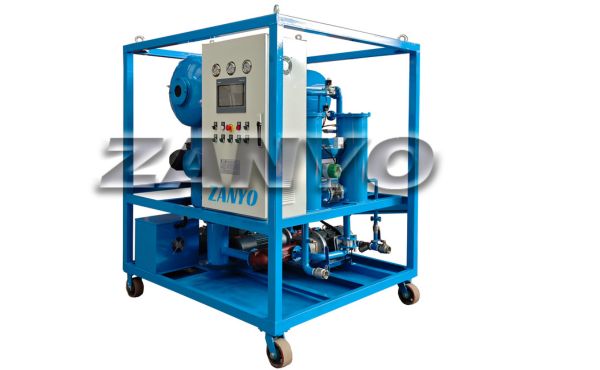
Oil purification provides a deeper cleaning process. It removes solids, water, gases, and some chemical impurities. This process helps restore oil quality and extends equipment life.
| Pros of Oil Purification | Cons of Oil Purification |
|---|---|
| Improves oil quality | Higher cost |
| Removes water and gases | More complex equipment |
| Extends oil life | Needs trained staff |
| Reduces breakdown risk | Longer processing time |
| Maintains high quality | May require downtime |
Oil purification is important for systems where oil quality must stay high. It is the best choice for critical machines and power equipment. Regular purification keeps oil quality at its best.
Conclusion
Oil filtration removes solid particles, while oil purification eliminates water, gases, and other impurities. Choosing the right process protects equipment and keeps oil quality high.