Moisture in Transformer Oil is one of the most critical factors affecting the reliability and safety of power systems. Even small amounts of water can significantly reduce dielectric strength, increasing the risk of insulation failure and equipment damage.
Understanding how moisture impacts performance helps engineers maintain oil quality, extend transformer lifespan, and prevent costly downtime. This article explores the key effects, risks, and practical ways to control moisture contamination.
How Moisture in Transformer Oil Affects Dielectric Strength
Immediate Impact on Insulation
Moisture in transformer oil causes a rapid drop in dielectric strength. Even a small increase in water content can lead to a significant decrease in the oil’s ability to resist electrical breakdown. For example, when the moisture level rises from 5 ppm to 20 ppm, the dielectric strength can fall by up to 25%.
Insulating oil acts as a barrier that prevents electrical arcs between internal components. When moisture enters the oil, it creates weak spots in the insulating layer. These weak spots make it easier for electrical breakdown to occur.
The presence of moisture also leads to the formation of bubbles inside the oil. These bubbles lower the dielectric strength even further. Bubbles can act as pathways for electrical discharge, which increases the risk of insulation failure.
Long-Term Effects on Transformer Reliability
Over time, moisture in transformer oil accelerates the aging of insulating materials. The combination of water and heat speeds up chemical reactions that break down cellulose and other insulating components. This process reduces the dielectric strength of both the oil and the solid insulation.
Repeated exposure to moisture causes the insulating paper to become brittle. Brittle insulation cannot withstand electrical stress, leading to more frequent breakdown events. As a result, the transformer becomes less reliable and more prone to failure.
Power transformers with low dielectric strength often experience partial discharge. Partial discharge damages the insulating system and shortens the lifespan of the equipment. Maintenance teams must monitor all factors affecting dielectric strength to prevent long-term damage.
Aging insulation also increases the risk of catastrophic breakdown. When the dielectric strength drops below safe levels, the transformer may fail without warning. This can lead to costly repairs and extended downtime for power transformers.
| Effect of Moisture | Impact on Dielectric Strength | Consequence for Transformers |
|---|---|---|
| Immediate presence | Rapid decrease | Increased risk of breakdown |
| Long-term exposure | Accelerated aging | Reduced reliability |
| Bubble formation | Further reduction | Higher chance of failure |
What Is Dielectric Strength of Transformer Oil
Definition and Role in Transformers
Dielectric strength of transformer oil measures how well the oil can resist electrical breakdown. This property shows the maximum voltage the oil can withstand before it fails as an insulator. Dielectric strength is a key factor in keeping the transformer safe from electrical faults.
Transformer oil acts as both a coolant and a dielectric barrier. The dielectric strength of transformer oil protects the internal parts from electrical arcs. High dielectric strength means the oil can stop electricity from jumping between components.
The dielectric strength of transformer oil depends on purity and moisture content. Clean oil with low water levels has higher dielectric strength. When moisture enters the oil, dielectric strength drops and the transformer becomes more vulnerable.
Why Dielectric Strength Matters
Dielectric strength of transformer oil is vital for reliable operation. If the dielectric strength drops, the transformer faces a higher risk of electrical breakdown. Low dielectric strength can cause short circuits and damage the insulation.
A transformer with strong dielectric strength of transformer oil lasts longer and needs fewer repairs. Maintenance teams check dielectric strength to prevent failures and keep the transformer running smoothly. High dielectric strength of transformer oil also protects the transformer from sudden voltage spikes.
Here are some reasons why dielectric strength of transformer oil matters:
- It prevents electrical arcs inside the transformer.
- It reduces the chance of insulation failure.
- It extends the life of the transformer.
| Property | Importance |
|---|---|
| Dielectric strength | Stops electrical breakdown |
| Dielectric barrier | Protects internal components |
| Moisture control | Maintains high dielectric strength |
Sources of Moisture in Transformer Oil
Environmental and Operational Factors
Moisture in transformer oil can come from the environment. Humid air enters the transformer through breathing vents or seals. Rainwater or condensation may also find its way inside, especially if the transformer is outdoors.
Temperature changes cause the oil and air inside the transformer to expand and contract. This movement draws in outside air, which often contains water vapor. Over time, this process increases the risk of high moisture levels in the oil.
Routine maintenance activities can introduce moisture. Opening the transformer for inspection or repairs exposes the oil to the atmosphere. Even short periods of exposure can allow water to enter.
| Source | How It Enters the Transformer |
|---|---|
| Humid air | Through vents or seals |
| Rain or condensation | Leaks or surface contact |
| Maintenance | Exposure during inspection/repair |
Internal Generation and Leaks
Some moisture forms inside the transformer during normal operation. The insulation materials, such as paper and pressboard, contain small amounts of water when new. Over time, heat from the transformer causes this water to migrate into the oil.
Chemical reactions inside the transformer can also produce moisture. When the insulation ages or breaks down, it releases water as a byproduct. This process is faster at higher temperatures.
Leaks in the transformer tank or fittings allow outside water to enter. Even a small leak can let in enough moisture to lower the dielectric strength of the oil. Regular inspections help detect leaks early and prevent further problems.
Mechanisms: How Moisture Reduces Dielectric Strength
Bubble Formation and Electrical Breakdown
Moisture in insulating oil can cause bubbles to form when the transformer heats up. These bubbles lower the dielectric strength of the oil. When bubbles appear, they create weak spots in the insulating layer.
A bubble has much less insulating power than oil. If a high voltage is applied, the bubble can become a path for electrical breakdown. This process can lead to a sudden failure inside the transformer.
Temperature plays a key role in this mechanism. As the oil gets hotter, more bubbles form, and the dielectric strength drops even further. For example, when moisture rises from 5 ppm to 20 ppm, the breakdown strength can decrease by up to 25%. This shows how sensitive insulating oil is to even small changes in moisture.
Partial Discharge and Insulation Aging
Partial discharge happens when the insulating oil cannot stop small electrical sparks. These sparks do not cause a full breakdown right away, but they damage the insulating materials over time. Each spark weakens the dielectric barrier and lowers the dielectric strength.
As partial discharge continues, the insulating paper and oil break down faster. The breakdown products can attract more moisture, which makes the problem worse. Over time, the transformer loses its ability to resist electrical faults.
Insulation aging is a slow process, but it leads to a big drop in dielectric strength. Regular testing can help spot early signs of breakdown and keep the transformer safe.
| Mechanism | Effect on Dielectric Strength | Result for Transformer |
|---|---|---|
| Bubble formation | Rapid decrease | Higher risk of breakdown |
| Partial discharge | Gradual reduction | Faster insulation aging |
Risks of Low Dielectric Strength in Transformer Oil
Electrical Failures and Short Circuits
Low dielectric strength in transformer oil increases the risk of electrical failures. When the dielectric strength drops, the oil cannot stop electricity from jumping between parts. This can cause short circuits inside the transformer.
A short circuit happens when electricity takes an unwanted path. The dielectric barrier fails to protect the internal components. As a result, the transformer may stop working or even catch fire.
The table below shows the main risks of low dielectric strength:
| Risk | Description |
|---|---|
| Short circuits | Sudden electrical paths form |
| Electrical breakdown | Oil fails to insulate |
| Equipment damage | Internal parts get destroyed |
Accelerated Insulation Aging
Low dielectric strength also speeds up insulation aging. The dielectric materials inside the transformer break down faster when the oil cannot insulate well. This weakens the transformer and shortens its life.
Moisture and heat make the dielectric strength drop even more. Over time, the insulation becomes brittle and cracks. This leads to more frequent breakdowns and higher repair costs.
Here are some signs of accelerated insulation aging:
- Increased partial discharge activity
- More frequent maintenance needs
- Shorter transformer service life
Regular testing helps detect low dielectric strength early. Maintenance teams can then take action to restore the dielectric properties. Keeping the dielectric strength high protects the transformer and reduces the risk of failure.
Detecting and Measuring Moisture in Transformer Oil
Testing Methods and Standards
Testing for moisture in transformer oil is essential for transformer reliability. Industry standards guide how to measure water content accurately. The most common methods include Karl Fischer titration and dielectric strength tests.
Karl Fischer titration measures the exact amount of water in the oil. This method gives precise results and helps maintenance teams track moisture levels. Dielectric strength tests show how moisture affects the oil’s insulating ability.
Regular dielectric strength testing helps identify problems early. Standards from organizations like ASTM and IEC set limits for safe moisture levels. Maintenance teams should follow these standards during transformer oil testing.
Equipment for Moisture Analysis
Special equipment makes moisture analysis easier and more reliable. Portable moisture meters allow quick checks during routine inspections. Laboratory instruments, such as titration devices, provide detailed measurements.
Some transformers have built-in sensors that monitor moisture in real time. These sensors alert maintenance teams when water levels rise. Routine testing with proper equipment prevents unexpected failures.
| Equipment Type | Purpose | Use Case |
|---|---|---|
| Portable moisture meter | Quick field testing | Routine inspections |
| Laboratory titration | Accurate moisture measurement | Detailed analysis |
| Built-in sensors | Continuous monitoring | Early warning system |
Mitigating Moisture in Transformer Oil
Routine Testing and Monitoring
Routine testing helps detect moisture in transformer oil before it causes problems. Maintenance teams use moisture analysis tools to check oil quality. Regular monitoring keeps the transformer safe and prevents sudden failures.
Filtration, Drying, and Maintenance
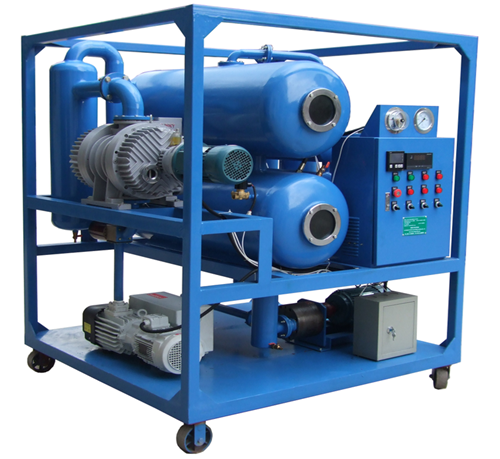
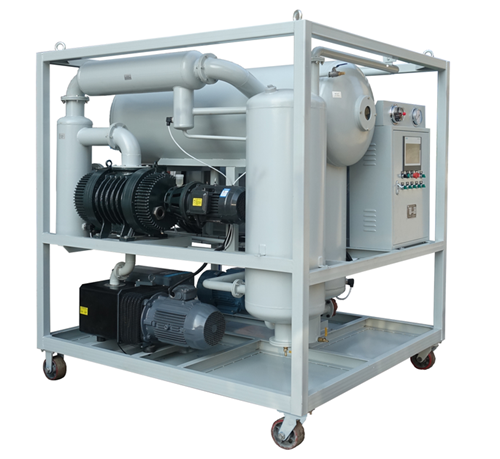
Filtration removes water and particles from transformer oil. Oil filtration systems use filters and drying units to clean the oil. Maintenance teams replace filters and check drying equipment to keep moisture levels low.
| Method | Purpose | Benefit |
|---|---|---|
| Filtration | Removes water and debris | Enhancing dielectric strength |
| Drying units | Lowers moisture | Extends transformer life |
| Filter change | Keeps system effective | Prevents breakdown |
Filtration and drying protect the transformer from insulation damage. Clean oil improves performance and reliability.
Preventive Measures
Preventive steps stop moisture from entering transformer oil. Teams inspect seals and gaskets for leaks. They store oil in dry containers and avoid exposing it to humid air.
- Inspect transformer seals regularly.
- Store oil in sealed, dry tanks.
- Limit oil exposure during maintenance.
Conclusion
Moisture in Transformer Oil significantly reduces dielectric strength, accelerating insulation aging, increasing partial discharge, and raising the risk of electrical failure and costly downtime. Even small water contamination can compromise transformer reliability and shorten service life. Through proper testing, filtration, and preventive maintenance, moisture levels can be effectively controlled to ensure stable operation and system safety. Managing oil quality is therefore essential for maintaining long-term transformer performance and operational reliability.