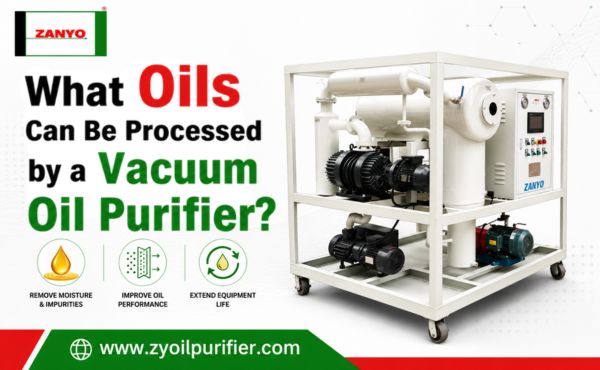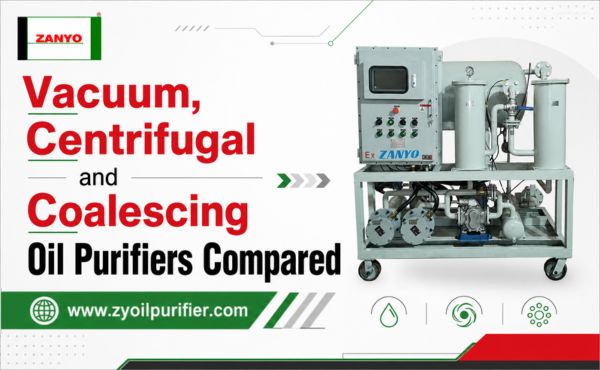
A failing Transformer Oil Purifier can compromise insulation quality, accelerate equipment degradation, and lead to costly unplanned downtime. Recognizing early warning signs—such as moisture contamination, clogged filters, oil leaks, or abnormal vibrations—is essential for maintaining system efficiency and protecting valuable assets. This guide walks through the most common purifier problems, their root causes, and practical troubleshooting steps to help operators resolve issues quickly and keep their systems running at peak performance.
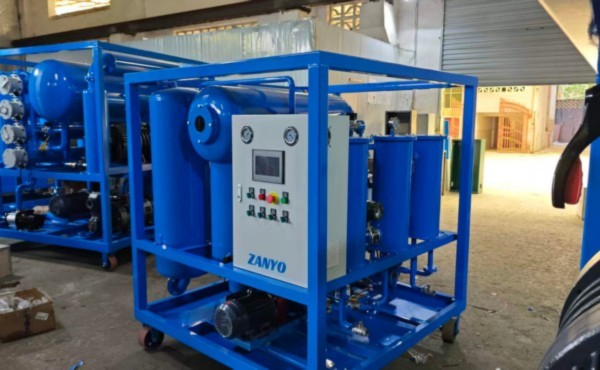
Common Issues in Transformer Oil Purification Systems
Moisture and Discoloration
Moisture often enters the transformer oil purification system through leaks or condensation. Water in the oil can cause discoloration and reduce insulation properties. Operators must watch for cloudy oil and color changes, which signal these common issues.
Clogged or Dirty Filters
Filters in the transformer oil purification system trap particles and contaminants. Over time, these filters become clogged or dirty, restricting oil flow. Reduced efficiency and pressure drops are signs of common issues with filters.
Sludge and Sediment Buildup
Sludge forms when impurities settle at the bottom of the transformer oil purification system. Sediment buildup can block pipes and damage internal components. Regular inspection helps identify these common issues before they affect performance.
Oil Leaks and Damaged Pipelines
Leaks in the transformer oil purification system can occur at joints, valves, or pipelines. Damaged pipelines allow oil to escape, leading to low oil levels and possible contamination. Quick detection and repair prevent further common issues.
Abnormal Noises and Vibrations
Unusual noises or vibrations in the transformer oil purification system may indicate mechanical faults. These sounds often result from worn bearings, loose parts, or misalignment. Addressing these common issues early avoids costly repairs.
Overheating Problems
Overheating is a frequent problem in the transformer oil purification system. High temperatures can damage oil and system components. Monitoring temperature levels helps detect common issues and maintain safe operation.
Troubleshoot Issues with Oil Purifiers
Inspecting Oil Quality
Start by examining the oil for changes in color, clarity, or odor. Cloudy oil or a burnt smell can indicate high water content in oil or the presence of contaminants. Use a moisture meter and a dielectric strength tester to check for ineffective purification and troubleshoot issues related to oil quality.
Checking and Replacing Filters
Dirty or clogged filters can cause frequent system shutdowns and reduce purification efficiency. Inspect filters for visible debris or restricted flow. Replace filters if you notice a high contaminant load or if the system displays signs of ineffective purification.
- Always shut down the system before removing filters.
- Dispose of used filters according to safety guidelines.
- Record filter changes to track maintenance and troubleshoot issues in the future.
Removing Sludge and Sediment
Sludge can build up in the purifier, causing too much sludge accumulation and excessive sludge or sediment buildup. This can lead to system performance issues and shutdowns. To troubleshoot issues, drain the sludge from the bottom of the tank and clean internal surfaces.
- Use a scraper or vacuum to remove stubborn sludge.
- Inspect the tank for signs of corrosion or damage.
- Schedule regular cleaning to prevent sludge from affecting operation.
Detecting and Repairing Leaks
Oil leakage from the purifier or pipelines can cause low oil levels and contamination. Inspect all joints, valves, and connections for signs of leakage. Use a clean cloth to wipe suspected areas and look for fresh oil spots.
- Tighten loose fittings and replace damaged gaskets.
- For persistent leaks, replace faulty pipes or seals.
- Document all repairs to help troubleshoot issues if leakage returns.
Addressing Mechanical and Overheating Problems
Abnormal noises, vibrations, or overheating of the purifier can signal mechanical faults. Listen for unusual sounds that may point to an imbalanced bowl or rotating assembly. Overheating can result from blocked cooling paths or excessive contaminants.
- Check bearings and alignment if you hear grinding or rattling.
- Clean cooling fans and vents to prevent overheating.
- If shutdowns occur due to overheating, inspect for blockages or high contaminant load.
Troubleshooting Table
| Problem | Possible Cause | Troubleshooting Action |
|---|---|---|
| Ineffective purification | Dirty filters, high water content | Replace filters, dry oil |
| Oil leakage from the purifier | Damaged seals, loose fittings | Repair or replace faulty parts |
| Overheating | Blocked vents, sludge buildup | Clean vents, remove sludge |
| Frequent shutdowns | Excessive sludge, imbalanced parts | Clean sludge, check assembly |
| Poor centrifugal efficiency | Imbalanced bowl, contaminants | Balance assembly, remove contaminants |
Lubricating Oil Purifier Troubleshooting Tips
Preventive Maintenance Practices
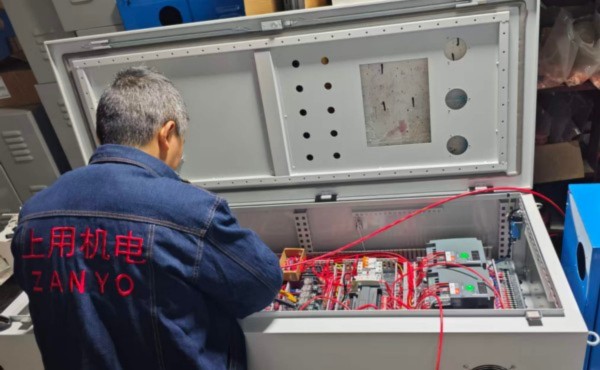
Routine maintenance keeps the oil purifier running smoothly. Operators should check seals, gaskets, and moving parts for wear. Cleaning filters and removing sludge prevents degraded oil and poor oil purification quality.
- Inspect electrical connections for signs of corrosion.
- Lubricate bearings and rotating assemblies as recommended.
- Replace worn parts before they cause system failures.
Monitoring System Performance
Monitoring system performance helps detect issues early. Track oil temperature, pressure, and flow rates. Compare readings to normal values to spot changes.
- Use sensors to monitor moisture and contamination levels.
- Record data in a log for easy reference.
- Watch for sudden drops in efficiency or abnormal noises.
| Parameter | Normal Range | Action if Out of Range |
|---|---|---|
| Oil Temperature | 40-60°C | Check cooling system |
| Pressure | 1-3 bar | Inspect for blockages |
| Moisture Level | <0.5% | Dry oil, check for leaks |
Scheduling Regular Inspections
Regular maintenance inspections help keep the system reliable. Schedule checks monthly or quarterly based on usage. Inspect all components, including pipelines and valves.
- Test oil samples for signs of contamination.
- Review maintenance logs to identify recurring problems.
- Plan repairs during low-demand periods to minimize disruption.