Turbine oil plays a critical role in protecting bearings, reducing friction, dissipating heat, and ensuring the reliable operation of turbines across power plants, manufacturing facilities, petrochemical sites, and industrial operations. However, contamination from water, particles, gases, oxidation, and sludge can gradually degrade oil quality and compromise equipment performance.
Traditionally, many facilities replace contaminated oil entirely, but this approach can be expensive and wasteful. Modern turbine oil recycling and purification technologies offer a more cost-effective alternative by restoring oil quality, extending lubricant life, and reducing maintenance costs while supporting sustainability goals.
What Causes Turbine Oil Deterioration?
Turbine oils are designed to operate under demanding conditions for extended periods. Despite their durability, contamination and aging are inevitable.
Common contaminants include:
- Moisture from condensation, leaks, or environmental exposure
- Dust and solid particles entering through seals and vents
- Oxidation products caused by high operating temperatures
- Sludge and varnish deposits formed during oil degradation
- Dissolved gases that affect lubrication performance
As contamination accumulates, the oil’s viscosity, oxidation stability, demulsibility, and lubrication properties begin to decline. Poor-quality oil can increase friction, accelerate component wear, reduce heat transfer efficiency, and raise the risk of equipment failure.
Without proper treatment, turbine systems may experience increased maintenance requirements, reduced efficiency, and costly unplanned shutdowns.
Traditional Oil Replacement: Understanding the Real Costs
Many maintenance teams view complete oil replacement as the simplest solution when oil quality declines. However, the true cost extends far beyond purchasing new lubricant.
New Oil Procurement Costs
Industrial turbine oils represent a significant investment. Large turbines may contain hundreds or even thousands of gallons of lubricant. Replacing the entire oil charge can quickly become a major operating expense, especially during periods of fluctuating oil prices.
Equipment Downtime
Oil replacement often requires shutting down equipment for draining, cleaning, refilling, testing, and recommissioning. Even a short outage can result in substantial production losses, particularly in power generation and continuous-process industries.
Labor and Maintenance Expenses
Complete oil replacement requires maintenance personnel, specialized equipment, and additional safety procedures. Labor costs increase as systems become larger and more complex.
Waste Oil Disposal
Environmental regulations often require proper collection, transportation, and disposal of used industrial oils. Disposal fees can significantly increase the total cost of an oil replacement project.
When all these factors are considered, the actual cost of replacing turbine oil is often much higher than expected.
How Turbine Oil Recycling Works
Modern turbine oil recycling focuses on restoring oil quality rather than discarding the lubricant.
Advanced turbine oil purification systems remove contaminants while preserving the valuable base oil and additive package.
Key purification processes include:
Vacuum Dehydration
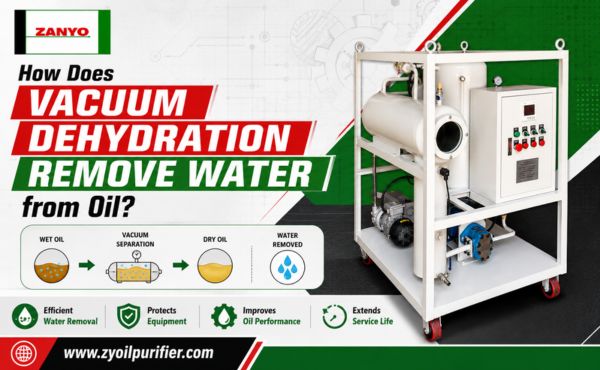
Vacuum dehydration removes free water, emulsified water, and dissolved moisture from turbine oil. By lowering pressure inside the purification chamber, water evaporates at a lower temperature and is separated efficiently.
Degassing
Vacuum treatment also eliminates dissolved gases and air bubbles that can contribute to oxidation and reduce lubrication effectiveness.
Fine Filtration
Multi-stage filtration systems capture solid contaminants, metal particles, dust, and sludge, helping restore oil cleanliness to required standards.
Varnish and Sludge Removal
Specialized filtration media can remove varnish precursors and oxidation byproducts that cause sticking valves, reduced efficiency, and equipment wear.
The result is cleaner oil that performs closer to its original condition while remaining in service for a significantly longer period.
Major Cost Benefits of Recycling Turbine Oil
Reduced Lubricant Purchasing Costs
One of the most immediate advantages of turbine oil recycling is the reduction in new oil purchases.
Instead of replacing large volumes of lubricant, facilities can restore existing oil to acceptable operating conditions. In many cases, recycling can extend oil life by several years, dramatically lowering annual lubrication expenses.
For facilities operating multiple turbines, these savings can amount to tens or hundreds of thousands of dollars over the life of the equipment.
Lower Maintenance Expenses
Clean oil reduces wear on bearings, gears, pumps, valves, and other critical components.
By maintaining proper lubrication properties, oil purification helps prevent premature equipment degradation and reduces the frequency of repairs.
Maintenance teams spend less time dealing with lubrication-related issues and can focus on planned maintenance activities rather than emergency interventions.
Reduced Downtime Costs
Unexpected turbine shutdowns are among the most expensive events in industrial operations.
Contaminated oil contributes to overheating, excessive wear, and equipment malfunctions that can lead to unplanned outages.
Regular oil purification minimizes these risks by maintaining oil quality and supporting reliable system performance.
Because many purification systems can operate while equipment remains online, facilities can improve oil condition without interrupting production.
Extended Equipment Life
Lubrication quality directly affects the lifespan of turbine components.
Water contamination can promote corrosion, while particles accelerate abrasive wear. Oxidized oil can form deposits that restrict flow and impair operation.
By removing harmful contaminants, turbine oil recycling protects expensive equipment and extends the service life of critical assets.
The financial impact of avoiding major component replacement can far exceed the cost of the purification system itself.
Reduced Waste Management Costs
Used oil disposal is becoming increasingly expensive due to environmental regulations and sustainability requirements.
Oil recycling significantly reduces the volume of waste oil generated by industrial facilities.
Instead of disposing of large quantities of lubricant, companies retain and reuse existing oil, lowering disposal costs and reducing environmental liabilities.
Environmental and Sustainability Advantages
Modern industries are under growing pressure to improve environmental performance and reduce resource consumption.
Turbine oil recycling supports these goals in several ways.
Reduced Resource Consumption
Producing new lubricating oil requires crude oil extraction, refining, transportation, packaging, and distribution.
Extending oil service life reduces demand for new lubricant production and conserves valuable resources.
Lower Carbon Footprint
Recycling existing oil consumes significantly less energy than manufacturing and transporting replacement oil.
As a result, facilities can reduce their overall carbon emissions associated with lubrication management.
Improved ESG Performance
Many organizations now track sustainability metrics and Environmental, Social, and Governance (ESG) performance indicators.
Implementing turbine oil recycling programs demonstrates a commitment to resource efficiency, waste reduction, and responsible environmental stewardship.
Recycling vs. Replacement: A Cost Comparison
To understand the financial impact, consider a facility operating a large turbine lubrication system.
A complete oil replacement may involve:
- Purchasing new turbine oil
- Transporting lubricant to the facility
- Draining and cleaning the system
- Paying labor costs
- Managing equipment downtime
- Disposing of used oil
By comparison, turbine oil purification generally requires only the purification service or equipment operation cost.
Many facilities report savings ranging from 50% to 80% compared to complete oil replacement programs.
When downtime reduction and equipment life extension are included, the long-term return on investment becomes even more attractive.
Industries That Benefit Most from Turbine Oil Recycling
Although virtually any turbine operation can benefit from oil purification, several industries see particularly strong returns.
Power Generation Plants
Steam turbines, gas turbines, and hydroelectric turbines rely heavily on clean lubrication systems for continuous operation.
Petrochemical Facilities
Process reliability is essential in petrochemical operations, making contamination control a top priority.
Steel and Cement Plants
Harsh operating environments increase contamination risks and make oil purification especially valuable.
Manufacturing Facilities
Reducing maintenance costs and improving equipment reliability directly impacts productivity and profitability.
Renewable Energy Facilities
Wind turbine operators increasingly use oil purification strategies to extend lubricant life and reduce maintenance expenses.
Selecting the Right Turbine Oil Purification Solution
When evaluating turbine oil recycling equipment, facilities should consider:
- Water removal efficiency
- Filtration accuracy
- Degassing capability
- Flow capacity
- Automation features
- Portability requirements
- Ease of maintenance
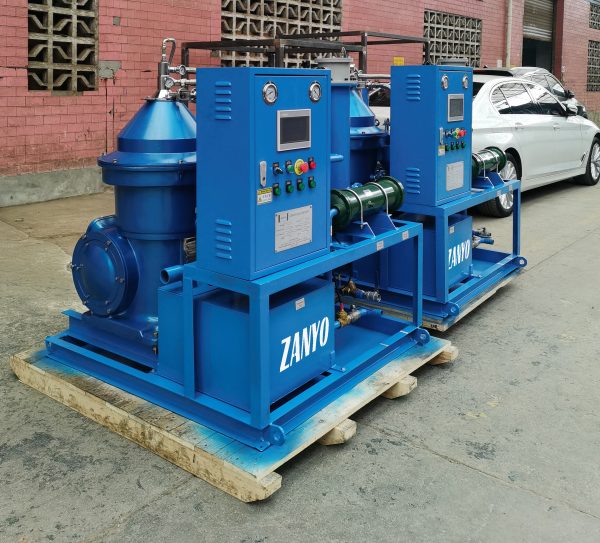
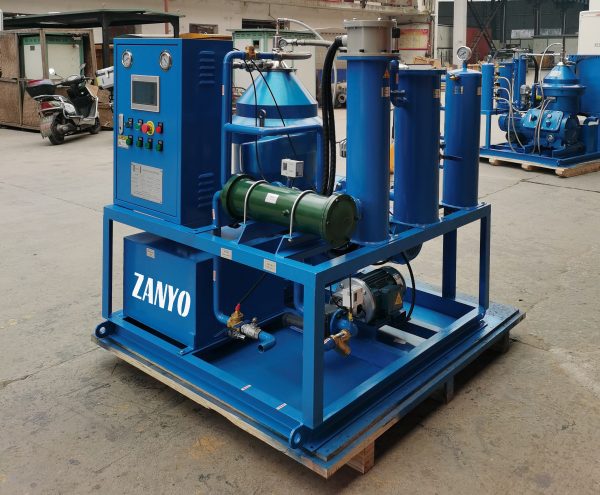
High-performance vacuum turbine oil purifiers provide comprehensive treatment by combining dehydration, degassing, and precision filtration into a single solution.
For large industrial operations, trailer-mounted or mobile purification units can offer additional flexibility by servicing multiple systems across different locations.
Conclusion
Replacing contaminated turbine oil is no longer the only option for maintaining reliable equipment performance. Modern turbine oil recycling technologies enable facilities to remove water, particles, gases, sludge, and oxidation products while preserving the value of existing lubricants. The result is lower lubricant procurement costs, reduced downtime, extended equipment life, decreased waste disposal expenses, and improved sustainability performance. As industries continue seeking ways to improve operational efficiency and reduce maintenance budgets, turbine oil purification has become one of the most effective and economically attractive solutions for long-term asset protection and cost control.
Frequently Asked Questions
Is recycled turbine oil as effective as new oil?
When properly purified, turbine oil can regain cleanliness and performance characteristics that allow continued safe operation.
How often should turbine oil be purified?
The frequency depends on operating conditions, contamination levels, and maintenance requirements. Many facilities implement continuous or periodic purification programs.
Can water-contaminated turbine oil be restored?
Yes. Vacuum dehydration technology effectively removes free, emulsified, and dissolved water from turbine oil.
How much can companies save through turbine oil recycling?
Savings vary by system size and operating conditions, but many facilities reduce lubrication-related costs by 50–80% compared to routine oil replacement.
Which industries benefit most from turbine oil purification?
Power generation, petrochemical processing, manufacturing, steel production, cement plants, and renewable energy facilities commonly achieve significant benefits.