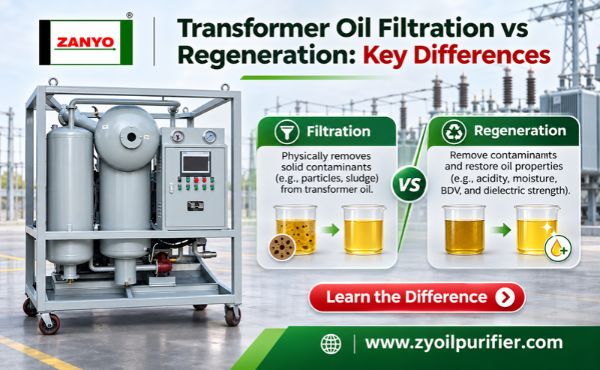
Transformer oil filtration and regeneration solve two different problems. Filtration removes contaminants from the oil. Regeneration restores the oil’s chemical properties. One method cleans; the other rebuilds.
Filtration works as preventive maintenance. It keeps healthy oil within acceptable limits. Regeneration works as corrective treatment. It recovers oil that has already degraded. The right method depends on oil condition, transformer type, compliance needs, and budget. Oil test results usually settle the question.
Transformer Oil Filtration: Definition and Role
What the Transformer Oil Filtration Process Removes
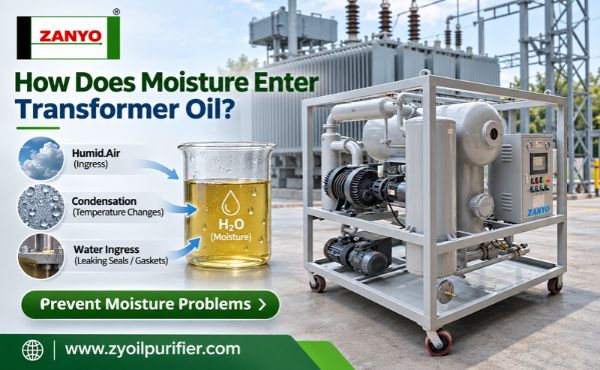
The transformer oil filtration process targets physical contaminants. Water, particulate matter, and dissolved gases are the primary targets. These substances enter the oil during service, through breathing vents, gaskets, and normal thermal cycling. Each one weakens the insulating medium in a different way.
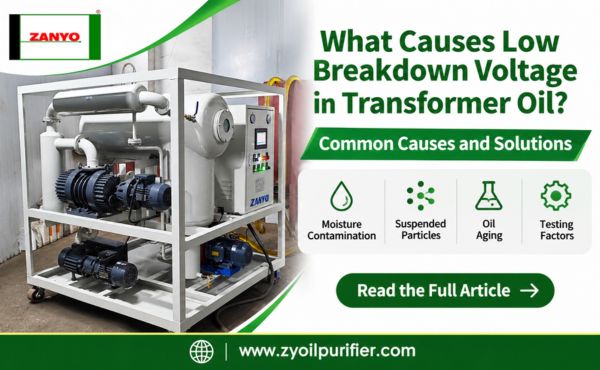
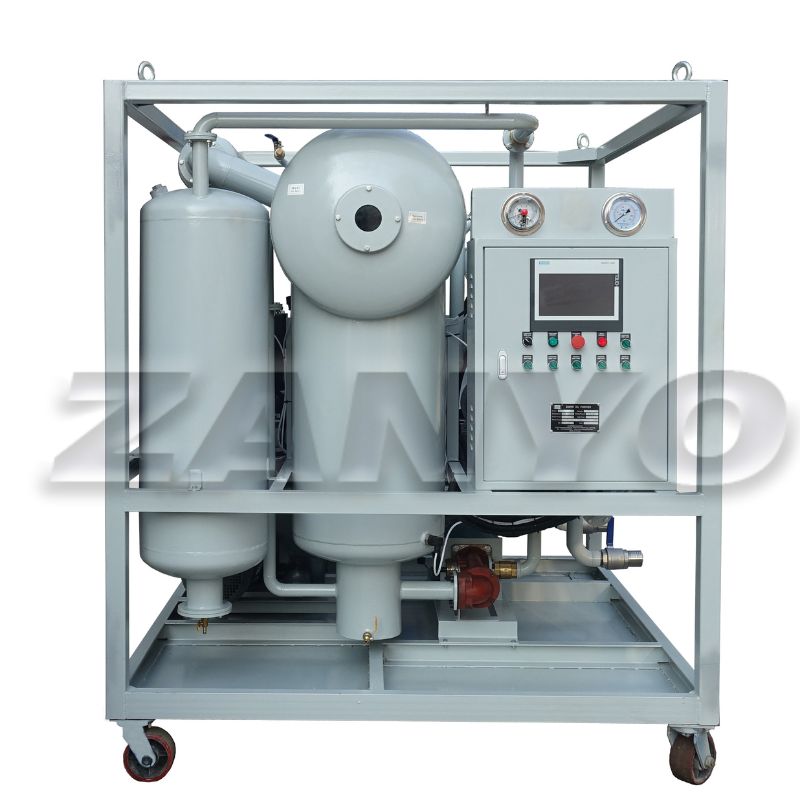
Dissolved moisture is the most damaging of the three. Even small amounts reduce dielectric strength and accelerate aging of the paper insulation. Solid particles bridge gaps between windings and create paths for discharge. Dissolved gases collect in areas of high electrical stress and lower the dielectric breakdown voltage of the fluid. A vacuum oil purifier addresses all three at once. It heats the oil under vacuum, strips out dissolved moisture and gases, and passes the fluid through fine filters that capture particulates. The result is a cleaner fluid with a higher BDV and more reliable insulation performance.
Filtration as Preventive Maintenance
Filtration functions as preventive maintenance. It keeps oil that is still chemically sound within acceptable operating limits. Routine oil filtration removes incoming contaminants before they can react with the oil molecules. This slows the natural aging curve and extends the service interval between major interventions.
One limit deserves emphasis. The transformer oil filtration process does not remove chemical degradation products such as acids or aldehydes. Those compounds form when oil oxidizes, and they stay in solution after mechanical cleaning. A filtration program therefore maintains good oil. It cannot rescue oil that has already degraded chemically. Operators who understand this distinction schedule filtration on a regular basis and reserve deeper treatment for oil that fails chemical tests. Used this way, transformer oil purification becomes a low-cost habit that protects the asset year after year.
Oil Regeneration: Definition and Role
How Oil Regeneration Restores Oil Properties
Oil regeneration goes beyond cleaning. It rebuilds the chemical condition of the fluid. A typical cycle follows a defined sequence:
- The oil is heated and pre-filtered to remove bulk particulates.
- The heated fluid passes through a regeneration unit with adsorbents, where porous media capture dissolved contaminants.
- Fine filtration traps any remaining solid matter.
- Vacuum degasification and vacuum dehydration strip out gases and moisture under low pressure.
The adsorbent stage does the essential work. It pulls acids, aldehydes, and sludge precursors out of solution. These oxidation byproducts form when oil oxidation advances, and they drive further aging if left in place. Removing them reverses part of the damage. The treated fluid also comes out lighter in color, a visible sign that dissolved contaminants are gone. A vacuum oil purifier handles the final degassing and drying step, so the finished oil meets dielectric requirements again.
Regeneration as Corrective Treatment
Regeneration is corrective treatment. It suits aged transformer oil that has failed chemical tests, not fluid that is still healthy. Oil with elevated acidity, rising interfacial tension problems, or visible sludge needs chemical restoration, and filtration alone cannot deliver that.
The distinction matters for maintenance planning. Filtration removes water, particles, and gases from sound oil. Complete oil regeneration restores the molecular condition of degraded oil. Operators often pair the two: a vacuum oil purification pass for physical cleanup, then adsorbent treatment for chemical recovery. This combined approach extends oil service life and defers replacement. Purification of this kind also protects the transformer by limiting sludge deposition on windings and cooling surfaces. The result is a longer asset life at lower cost.
Oil Regeneration vs Filtration: Technical Performance
Contaminant Removal vs Chemical Restoration
The two methods differ in what they act upon. Filtration acts on physical contaminants. Regeneration acts on the oil molecules themselves. This distinction drives every performance difference between them.
The transformer oil filtration process removes water, particulates, and dissolved gases. A vacuum oil purifier heats the fluid under low pressure, so dissolved moisture and gases leave the oil phase. Fine filters then capture solid particles. The oil comes out physically clean, and its insulating behavior improves immediately. Chemical restoration works differently. Oil regeneration passes heated oil through adsorbent media. Those media bind acids, aldehydes, and sludge precursors, and the oil leaves the unit chemically rebuilt. The table below summarizes the split.
| Performance Area | Filtration | Regeneration |
|---|---|---|
| Water and dissolved moisture | Removed | Removed |
| Particulates and gases | Removed | Removed |
| Acids and aldehydes | Not removed | Removed |
| Sludge precursors | Not removed | Removed |
| Oil color | Largely unchanged | Improved |
The practical consequence is clear. Filtration cannot reverse chemical aging, and regeneration costs more than a routine cleaning pass. Each method delivers what the other cannot.
Impact on Dielectric Strength and Oil Life
Dielectric performance responds to both treatments, but for different reasons. Moisture removal lifts dielectric strength quickly. Water in oil collapses the dielectric breakdown voltage, and even modest dissolved moisture content weakens insulation. A filtration pass strips that water out, and the BDV recovers within the treatment cycle. Dissolved gas removal supports the same recovery, since gas pockets lower breakdown voltage under electrical stress.
Regeneration adds a second layer of benefit. Acids and sludge precursors accelerate paper aging and deposit on windings. Removing them slows the aging rate of the insulation system, not just the fluid. Oil life extends because the chemical clock resets, at least partially. Filtration extends oil life too, but only by limiting contaminant-driven aging. It cannot undo oxidation that has already occurred.
Field practice often combines the two. A transformer oil purification program might run filtration quarterly and schedule regeneration when acid numbers climb. This sequencing keeps BDV stable between major interventions. It also protects the transformer from sludge accumulation on cooling surfaces. The combined effect on asset life is greater than either method alone, and the cost stays below premature oil replacement. Operators who track BDV and acidity together see the pattern clearly: filtration holds the line, and regeneration moves it back.
Application Fit by Oil Condition and Transformer Type
When Filtration Is the Right Choice
Filtration fits oil that still passes its chemical tests. Acidity sits within limits, interfacial tension holds steady, and the fluid shows no sign of sludge. In this state, the oil is chemically healthy and only carries physical contaminants. Water, particles, and dissolved gases are the problem, and a vacuum treatment pass solves it.
This scenario covers most routine maintenance. A transformer in normal service absorbs moisture through its breather and sheds particles from circulating oil. Regular oil filtration keeps those levels in check and holds dielectric strength at a safe margin. Sealed units and units with conservative loading profiles rarely need more. Operators who run filtration on a schedule protect the asset at modest cost and avoid unnecessary chemical treatment.
When Regeneration Is the Better Option
Oil regeneration suits fluid that has failed chemical tests. Rising acidity, falling interfacial tension, and visible sludge all point to oxidation damage. Filtration cannot reverse that damage, and repeated cleaning passes will not restore the fluid. The corrective method removes acids and sludge precursors and resets the chemical condition of the oil.
In-tank oil regeneration is considered technically superior to other processing methods. It treats the oil where it sits, inside the transformer, and avoids the risks of moving large volumes through external loops. The choice between the two methods depends on oil test results. A full test panel — acidity, moisture, BDV, and dissolved gas analysis — tells the operator whether the fluid needs cleaning or rebuilding. Test first, then select the method. That sequence keeps maintenance spending aligned with actual oil condition.
Regulatory Compliance and Oil Quality Standards
Standards Governing Treated Oil Quality
Treated oil quality is judged against published standards, not against a supplier’s claim. IEC 60422 gives maintenance guidance for mineral insulating oil in service. It sets acceptance and action limits for acidity, moisture, and dielectric strength. IEC 60296 defines the specification for new mineral insulating oil. Together, these two documents frame most compliance decisions.
Test methods matter as much as limits. The dielectric breakdown voltage is measured under ASTM D877 or ASTM D1816, and the two methods use different electrode geometries. Acidity follows ASTM D974, and interfacial tension follows ASTM D971. A treatment report should name the method behind every result. A bdv figure without its test method tells the reader very little.
Compliance Considerations for Each Method
Filtration supports compliance with in-service limits. It lowers dissolved moisture and restores bdv, so the fluid returns inside the IEC 60422 envelope for water and breakdown voltage. Vacuum dehydration handles the moisture side directly. The method cannot move acidity, so oil that fails the acid limit stays non-compliant after a filtration pass.
Regeneration addresses the chemical limits. Adsorbent treatment reduces acidity and removes sludge precursors, and the oil can return to specification on those parameters. Compliance planning should follow the test panel. A transformer that passes acidity but fails moisture needs filtration. One that fails acidity needs regeneration. Document both the before and after results, and cite the standard and method for each.
Cost Considerations for Filtration and Regeneration
Initial and Operational Costs
Filtration carries the lower entry cost of the two methods. A vacuum treatment pass needs standard purification equipment and routine operator time. No adsorbent media is consumed, so each service cycle adds little beyond power, filters, and labor. Operators can schedule filtration at regular intervals and spread the expense across the year. The method fits a steady maintenance budget with predictable line items.
Oil regeneration costs more per treatment. The process consumes adsorbent media, runs longer cycles, and demands closer process control. Heating, media handling, and final degasification all add to the operational total. The higher price buys chemical restoration that filtration cannot deliver, so the two methods serve different points on the cost curve. A fair comparison weighs each method against the problem it solves, not against the other’s price tag.
Long-Term Value and Oil Replacement Avoidance
Regeneration can avoid or delay costly oil replacement. New insulating fluid is expensive, and replacement also means disposal, downtime, and handling risk. Adsorbent treatment removes acids and sludge precursors, so the existing fluid returns to service instead of going to waste. That saving often outweighs the higher treatment cost, particularly on large units where fluid volume is significant.
Filtration protects value in a different way. Regular cleaning holds bdv at a safe margin and slows contaminant-driven aging. The transformer stays reliable, and major interventions arrive less often. Neither method wins on cost alone. Filtration fits healthy oil and tight budgets. Oil regeneration fits degraded oil and units where replacement is the costly alternative. A maintenance plan that uses both, each at the right moment, usually delivers the lowest total cost of ownership.
Decision Guide: Choosing the Right Method
Key Factors to Evaluate
Start with oil test results. A full panel covers acidity, dissolved moisture, dielectric strength, interfacial tension, and dissolved gas analysis. Each result points toward one method. Healthy chemistry with high water content calls for filtration. Rising acidity with acceptable moisture calls for corrective treatment. Mixed results call for both, run in sequence.
Four factors shape the final decision. Oil condition sets the starting point, and the test panel defines it. Transformer type matters as well. Sealed units and lightly loaded units rarely build acidity, so routine transformer oil filtration keeps them healthy. Older free-breathing units accumulate oxidation products faster and may need chemical restoration. Compliance needs add a third factor. IEC 60422 sets in-service limits, and a unit that fails the acid limit stays non-compliant after cleaning alone. Budget closes the list. Filtration costs less per cycle, and regeneration costs more but avoids replacement.
The table below summarizes the core differences.
| Factor | Filtration | Regeneration |
|---|---|---|
| Primary target | Water, particles, gases | Acids, aldehydes, sludge precursors |
| Oil condition fit | Chemically sound oil | Chemically degraded oil |
| Effect on bdv | Restores it quickly | Restores it and slows reversion |
| Effect on acidity | None | Reduces it |
| Cost profile | Low per cycle | Higher per cycle, avoids replacement |
Matching the Method to Your Maintenance Strategy
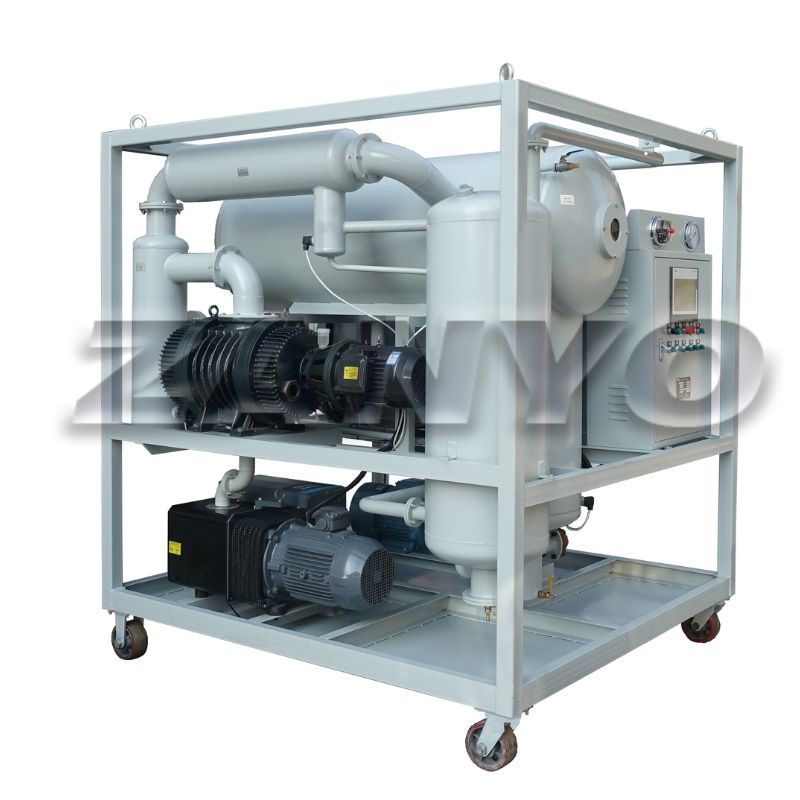
A preventive strategy relies on filtration. Schedule oil filtration at fixed intervals, track bdv and dissolved moisture, and treat before limits are breached. This approach suits a fleet in good condition and a budget that favors steady, predictable spending. A vacuum oil purifier handles each pass and returns the fluid to service quickly.
A corrective strategy reserves regeneration for units that fail chemical tests. Run the transformer oil filtration process first to strip water and particles, then apply adsorbent treatment to rebuild the chemistry. This sequence protects the adsorbent media and improves the final result. Pair the two methods on critical transformers, where downtime is costly and replacement is the expensive alternative.
Whichever path you choose, let test data drive the schedule. Re-test after every treatment and compare results against the prior panel. A rising acid number signals the shift from preventive cleaning to corrective regeneration. A stable panel confirms that routine purification is doing its job. This feedback loop keeps spending aligned with actual oil condition and protects the transformer over its full service life.
Conclusion
The core difference stays simple. Filtration removes contaminants, and regeneration restores oil properties. One cleans the fluid; the other rebuilds its chemistry. Neither method replaces the other.
The right choice depends on oil condition, transformer type, compliance needs, and budget. Start with a full test panel. Compare acidity, moisture, and bdv results against the decision guide criteria. Healthy oil with high water content calls for transformer oil filtration. Rising acidity calls for corrective treatment. A stable bdv confirms that routine filtration is holding the line.
Treat both methods as partners in one oil maintenance program. Preventive filtration protects sound oil, and corrective regeneration recovers degraded oil. Together they extend transformer life and defer replacement.
FAQ
Can filtration alone fix oil that has failed an acidity test?
No. Filtration removes water, particles, and dissolved gases, and it cannot remove acids or aldehydes. Oil that exceeds the acidity limit under IEC 60422 stays non-compliant after a cleaning pass. That oil needs adsorbent treatment to restore its chemical condition.
How often should each method be scheduled?
Let test results set the interval. Routine filtration suits a fixed schedule, tracked against moisture and breakdown voltage. Regeneration is event-driven. Schedule it when acidity or interfacial tension crosses a limit. Re-test after every treatment and compare against the prior panel.
Does regeneration harm healthy oil?
Regeneration is corrective treatment, so it fits degraded fluid. Healthy oil does not need adsorbent media, and routine filtration keeps it within limits at lower cost. Match the method to oil condition, and neither process is applied where it adds no value.
Can both methods be used on the same unit?
Yes. Run filtration first to strip water and particles, then apply adsorbent treatment to rebuild the chemistry. This sequence protects the media and improves the result. Pair the two on critical transformers, where downtime is costly and replacement is the expensive alternative.