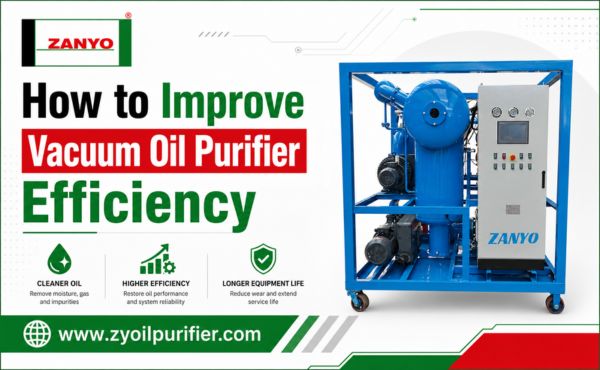
Improving the operating efficiency of a Vacuum Oil Purifier can shorten processing time, reduce energy consumption, and achieve more stable oil purification results. Efficiency depends on proper temperature control, vacuum settings, filtration performance, oil flow, and routine maintenance. This article explains practical ways to optimize equipment operation, improve contaminant removal, and extend the service life of both the purifier and the treated oil.
Optimizing Vacuum Oil Purifier Operating Parameters
Operational parameters determine how quickly contaminants separate from industrial oil. Correct settings increase processing speed and lower total energy consumption. Technicians must monitor temperature, vacuum depth, and flow rates simultaneously.
Calibrating Vacuum Pressure Levels
Vacuum pressure controls the boiling point of water inside the flash chamber. Maintaining pressure between -0.08 MPa and -0.099 MPa creates ideal conditions for flash vaporization. This negative pressure allows water to boil at much lower temperatures.
Target Vacuum Range: -0.08 MPa to -0.099 MPa
Setting the vacuum level too low reduces water extraction speed. Conversely, excessive vacuum depth triggers severe oil foaming inside the chamber. Foaming allows liquid oil to carry over into the vacuum pump system.
Pre-Heating Oil for Enhanced Evaporation
Oil temperature directly affects fluid viscosity and water separation rates. Heating fluid to approximately 65°C before vacuum exposure yields optimal processing results.
Warm oil flows more easily through physical filtration media. Reduced viscosity accelerates the release of dissolved gases inside the vacuum chamber. Proper temperature control prevents thermal breakdown of the oil molecules.
Balancing System Flow Rates and Pressure
Flow rate dictates how long fluid remains inside the vacuum reaction zone. High flow speeds shorten the exposure time below necessary operational thresholds. Oil needs sufficient contact time under negative pressure to release trapped moisture.
| Parameter | Target Operating Condition | Operational Result |
|---|---|---|
| Oil Temperature | ~65°C | Lower viscosity, fast evaporation |
| Vacuum Pressure | -0.08 to -0.099 MPa | Rapid degassing, controlled foam |
| Fluid Dwell Time | High Chamber Volume Ratio | Complete moisture removal |
Operators must adjust the inlet valve to match discharge pump capacity. Balanced system pressure prevents vacuum destruction and keeps fluid moving steadily. Proper calibration of your Vacuum Oil Purifier maximizes throughput while protecting oil quality.
Enhancing Physical Filtration Efficiency
Physical filtration removes solid particles and free water from industrial oil. High-performance filter elements protect downstream hardware and maintain fluid cleanliness. Optimizing physical components directly improves total system performance.
Selecting Appropriate Micron-Rated Elements
Filter media must match the target oil cleanliness level. Multi-stage filtration systems capture large debris before fluid reaches fine filter elements. Primary coarse filters collect particles larger than 80 microns, while final stage filters capture contaminants down to 1 micron.
Using incorrect micron ratings reduces total flow rate. Coarse filters allow harmful particulates into delicate internal pump components. Proper element selection maintains clean fluid and prolongs the lifespan of your Vacuum Oil Purifier system.
Managing System Pressure Differentials
Pressure gauges track fluid resistance across filter media during operation. High differential pressure signals filter saturation and reduced oil throughput. Operators must replace filter elements when differential pressure reaches 0.2 MPa.
| Filter Condition | Pressure Differential | Required Action |
|---|---|---|
| Clean / New | < 0.05 MPa | Normal operation |
| Moderate Loading | 0.05 – 0.15 MPa | Monitor pressure gauge |
| Saturated / Clogged | ≥ 0.2 MPa | Replace filter element |
Clean elements reduce resistance inside internal pipework. Lower operational resistance prevents motor overloading during long treatment runs. Regular gauge checks keep processing efficiency at peak levels.
Maximizing Chamber Atomization Surface Area
Vacuum chambers rely on specialized nozzles or spray rings to disperse incoming oil. Atomization splits oil streams into tiny droplets to increase total liquid surface area.
- Specialized spray nozzles break oil into fine droplets.
- High surface area accelerates gas release and moisture vaporization.
- Clean distribution trays prevent fluid pooling at the chamber base.
Clogged spray nozzles reduce contact area inside the chamber. Regular maintenance prevents particulate buildup inside spray assemblies. Maximizing exposed oil surface area allows quick water removal in every Vacuum Oil Purifier pass.
Maintaining Vacuum Pump Systems and Hardware
Proper mechanical upkeep keeps vacuum pump components operating at peak efficiency. Neglecting core hardware lowers ultimate vacuum levels and decreases moisture separation speed.
Executing Regular Vacuum Pump Oil Changes
Contaminated vacuum pump oil loses its sealing power and lubricity over time. Sludge builds up inside the pump housing during heavy operational cycles. Operators must change the pump fluid every 500 operating hours to maintain deep vacuum levels.
Recommended Change Interval: Every 500 Operating Hours
Fresh oil seals internal rotor gaps effectively. Clean fluid prevents metal friction and protects internal pump vanes from premature wear.
Inspecting Seals and Condenser Traps
Vacuum leaks reduce deep negative pressure inside the main vacuum chamber. Technicians must inspect rubber gaskets and door seals weekly for cracks or degradation. Damaged seal surfaces allow ambient air to leak into the processing system.
- Check door gaskets for cracks or flat spots.
- Clean condenser coils to ensure efficient vapor cooling.
- Flush automatic water discharge traps to stop liquid backflow.
Condenser coils cool hot vapor into liquid water before air enters the pump. Blocked discharge traps cause water accumulation inside the condenser housing. Clean traps ensure smooth fluid drainage during continuous Vacuum Oil Purifier operation.
Replacing Saturated Coalescer Elements
Coalescer elements merge tiny water droplets into larger drops for rapid separation. Saturated elements lose their surface tension and allow water carryover.
| Component Status | Visual Indicator | System Impact |
|---|---|---|
| Optimal | Clean media, low pressure | Rapid moisture separation |
| Saturated | Heavy discoloration, high pressure | Moisture carryover to pump |
Replacing clogged coalescer elements restores optimal fluid separation mechanics. Clean coalescers protect downstream vacuum pumps from harmful liquid ingestion. Regular hardware replacements ensure long service life for your Vacuum Oil Purifier system.
Standardizing Operational Protocols
Standardized operating procedures prevent accidental machine damage. Technicians must inspect raw oil samples before starting the treatment cycle. Visually checking fluid color helps identify heavy water contamination or large particulates.
Conducting Pre-Filtration Oil Inspections
Pre-filtration testing protects internal components from severe abrasion. Operators take oil samples to measure baseline viscosity and total water content.
Testing raw oil prevents unnecessary wear on fine filter elements. Clean fluid samples allow accurate system setting adjustments. Proper intake checks ensure smooth system startup every time.
Daily Vacuum Oil Purifier Maintenance Checks
Daily hardware inspections ensure steady system performance. Operators check oil levels, hose connections, and electrical wiring every morning. Quick physical checks prevent unexpected operational downtime.
| Daily Checkpoint | Standard Parameter | Action Required |
|---|---|---|
| Oil Sight Glass | 1/2 to 2/3 Full | Refill vacuum pump fluid |
| Hose Connections | Tight, No Leaks | Secure loose fittings |
| Pressure Differential | Below 0.2 MPa | Clean or change filter |
Maintaining clean equipment prevents external dust from entering sensitive oil streams. Technicians fix minor leaks immediately to maintain operational safety. Daily maintenance routines keep system components working smoothly.
Logging Key Operational Metrics
Recording performance data tracks long-term system health. Operators log temperature, vacuum levels, and operational pressure every hour.
Daily Log Metrics: Temperature (°C) | Vacuum Depth (MPa) | Pressure Drop (MPa)
Consistent data tracking reveals gradual component degradation early. Systematic record-keeping helps plant supervisors schedule timely maintenance interventions. Accurate operational logs ensure consistent throughput from your Vacuum Oil Purifier unit.
Conclusion
Improving Vacuum Oil Purifier efficiency requires balanced control of temperature, vacuum pressure, flow rate, filtration, and equipment maintenance. Proper operating settings accelerate moisture and gas removal, reduce energy use, protect pumps and filter elements, and improve treated oil quality. Consistent inspections, timely component replacement, and accurate performance records help prevent downtime and maintain stable purification results throughout long-term industrial operation.