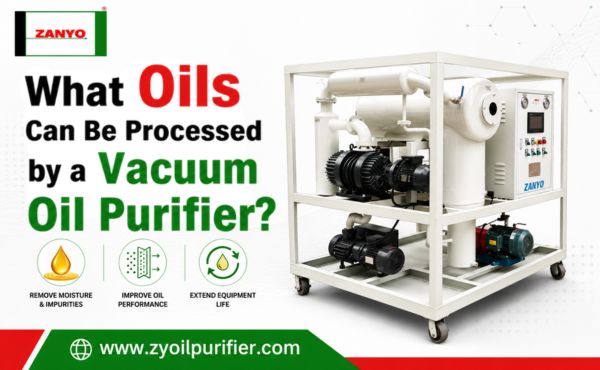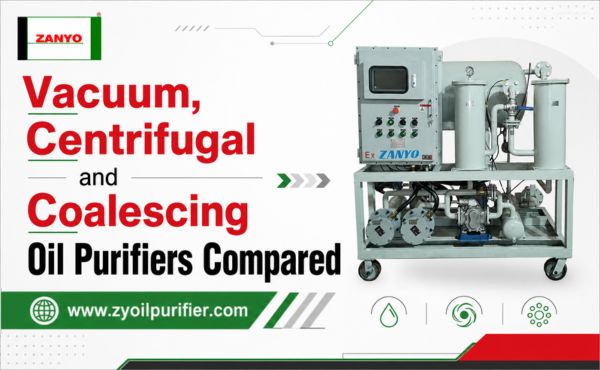
Recycling waste lubricating oil keeps harmful substances out of soil and water. Used motor oil can damage the environment if not handled with care. Safe collection, treatment, and reuse of oil protect natural resources and reduce pollution for everyone.
Why Waste Lubricating Oil Recycling Matters
Environmental and Health Risks
Used motor oil contains toxic substances. If people pour it onto the ground or into drains, it can seep into soil and water. This pollution harms plants, animals, and humans. Waste lubricating oil can contaminate drinking water and cause health problems. Children and adults may face risks from chemicals in used motor oil. Waste oil management helps prevent these dangers.
Improper disposal also affects air quality. Burning used motor oil releases harmful gases. These gases can cause breathing problems and damage the environment. Recycling used oil reduces pollution and protects communities.
Benefits of Proper Oil Management
Proper waste oil management offers many environmental benefits. Recycling used oil saves energy and conserves resources. It takes less energy to process used motor oil than to make new oil from crude. Recycling used oil also lowers greenhouse gas emissions.
A used oil recycling program helps keep neighborhoods clean. People can bring used motor oil to a recycling facility. This prevents illegal dumping and supports waste management efforts. Recycling used oil creates jobs and supports local economies.
Key Benefits of Recycling Used Oil:
-
- Protects water and soil from contamination.
- Reduces air pollution.
- Saves energy and resources.
- Supports community waste management.
Recycling used oil is a simple step that makes a big difference. Everyone can help by recycling used oil and following safe disposal practices.
Safe Handling of Waste Lubricating Oil
Collection and Storage Tips
Safe handling starts with proper collection. Always use a clean, leak-proof container to collect waste oil. Make sure the container has a tight-fitting lid to prevent spills.
Label the container clearly. Store it in a cool, dry place away from direct sunlight. Keep the container off the ground to avoid contamination.
Use a funnel when pouring oil into the container. This reduces the risk of spills and makes the process easier. Wear gloves to protect your skin from contact.
Check containers regularly for leaks or damage. Replace any container that shows signs of wear. Keep used motor oil away from food, water, and living spaces.
What to Avoid
Never mix waste lubricating oil with other fluids. Mixing oil with antifreeze, solvents, or gasoline makes recycling difficult. Do not use containers that once held chemicals or food.
Avoid pouring oil onto the ground or into drains. This causes pollution and harms the environment. Do not burn waste oil in open spaces.
| Unsafe Practice | Why to Avoid |
|---|---|
| Mixing with other fluids | Makes recycling harder |
| Using wrong containers | Causes contamination |
| Pouring into drains | Pollutes water sources |
| Burning oil | Releases toxic fumes |
Keep oil away from children and pets. Do not store containers in areas where they can be knocked over. Always follow local regulations for disposal and recycling.
Used Oil Recycling Methods
Filtration and Distillation
Filtration is the first step in used oil recycling. This process removes solid particles from used motor oil. Filters trap dirt, metal fragments, and other contaminants.
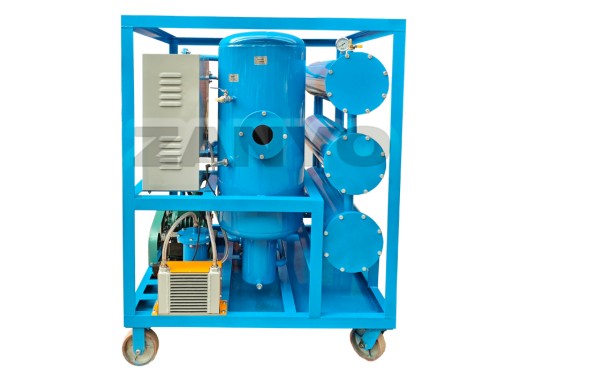
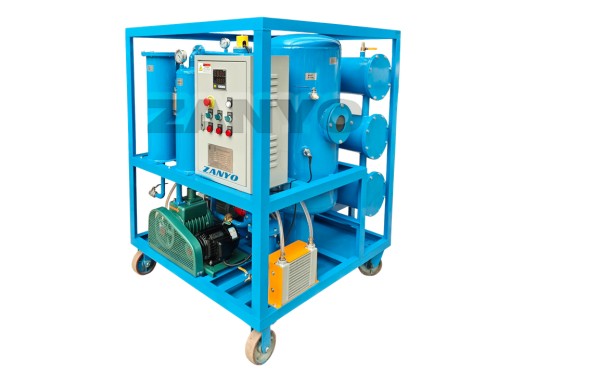
Vacuum distillation is a more advanced method. It heats waste lubricating oil in a vacuum chamber. The oil vaporizes at lower temperatures, which helps separate impurities. The vapor cools and condenses into cleaner oil. This method reduces the risk of burning and preserves the quality of the oil.
Many recycling facilities use both filtration and distillation. These steps prepare the oil for further treatment. They help make recycling used oil more efficient and effective.
Regeneration and Re-Refining
Regeneration restores the properties of used motor oil. Chemical additives are used to improve the oil’s performance. This process removes water, acids, and other harmful substances.
Re-refining is the most thorough recycling method. It involves several steps, including distillation and hydrotreating. The oil is purified and transformed into re-refined oil. This product meets high standards and can be used in engines and machinery.
The Department of Energy recommends re-refining for the best results. Re-refined oil performs like new oil and reduces environmental impact. Modern technology has made re-refining safer and more efficient.
| Recycling Method | Main Steps | Result |
|---|---|---|
| Filtration | Removes solids | Cleaner used motor oil |
| Distillation | Separates impurities | Purified oil |
| Regeneration | Adds chemicals, removes acids | Improved oil quality |
| Re-Refining | Multi-step purification | Re-refined oil |
Recycling used oil through these methods helps conserve resources. It also prevents pollution and supports sustainable practices.
How to Reuse Treated Oil
Re-Refined Oil Applications
Re-refined oil is a valuable product of used oil recycling. It meets strict quality standards and can be used in many ways. Most often, re-refined oil is used as engine oil for cars, trucks, and machinery.
Many industries choose re-refined oil for their equipment. It works well in hydraulic systems and gearboxes. Some companies use it for compressors and other heavy-duty machines.
Re-refined oil also finds use in government and public vehicles. School buses, city trucks, and maintenance fleets often use this oil. This practice supports sustainability and lowers costs.
Fuel Oil and Industrial Uses
Treated waste lubricating oil can serve as an alternative fuel. Many factories use it in industrial burners and boilers. This method helps reduce the use of traditional fuels.
Some power plants use treated oil to generate electricity. It provides a reliable energy source and supports waste reduction. Used motor oil, after proper treatment, can also be blended with other fuels.
Recycling used oil for fuel helps industries lower their environmental impact. It keeps harmful substances out of landfills and water. This approach supports both energy savings and pollution prevention.
| Application Area | Example Uses |
|---|---|
| Transportation | Engine oil, fleet vehicles |
| Industry | Hydraulic oil, gear oil |
| Power Generation | Boiler fuel, electricity |
Reusing treated oil through these methods supports a circular economy. It turns waste into valuable resources and encourages responsible recycling.
Comparing Recycled and New Oil
Environmental Impact
Recycling used oil helps protect the environment. Making new oil from crude uses a lot of energy and creates pollution. Recycling used oil saves resources and reduces greenhouse gas emissions.
Used oil recycling keeps waste lubricating oil out of landfills and water. This prevents harmful chemicals from entering the soil and water supply. Recycling also lowers the need for new oil production.
Performance and Cost
Re-refined oil from used oil recycling meets high industry standards. It performs as well as new oil in most engines and machines. Many tests show that re-refined oil protects engines and lasts as long as new oil.
The cost of recycling used oil is often lower than making new oil. Re-refined oil usually costs less for consumers and businesses. This makes it a smart choice for saving money and supporting the environment.
| Feature | Recycled Oil | New Oil |
|---|---|---|
| Environmental Impact | Low emissions, saves resources | High emissions, uses more resources |
| Performance | Meets standards, reliable | Meets standards, reliable |
| Cost | Usually lower | Usually higher |
Choosing re-refined oil supports used oil recycling programs. It encourages more recycling and helps build a sustainable future.
Conclusion
Waste lubricating oil recycling treatment turns used oil from an environmental risk into a reusable industrial resource. By collecting oil safely, avoiding contamination, and using proper filtration, distillation, regeneration, or re-refining methods, businesses can reduce pollution, lower disposal pressure, and conserve valuable energy resources. Responsible oil recovery is not just a recycling option; it is an essential step toward cleaner and more sustainable operations.