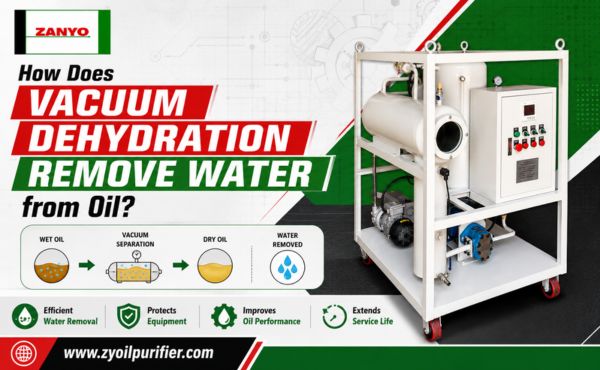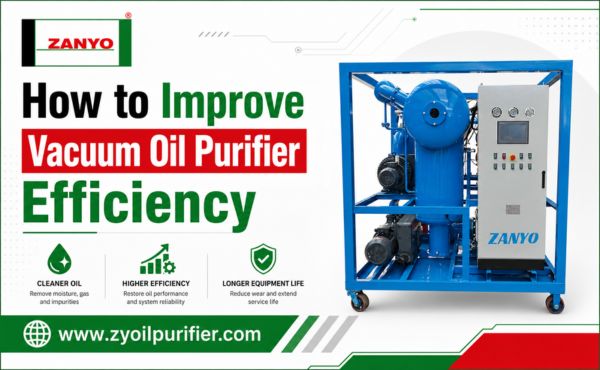
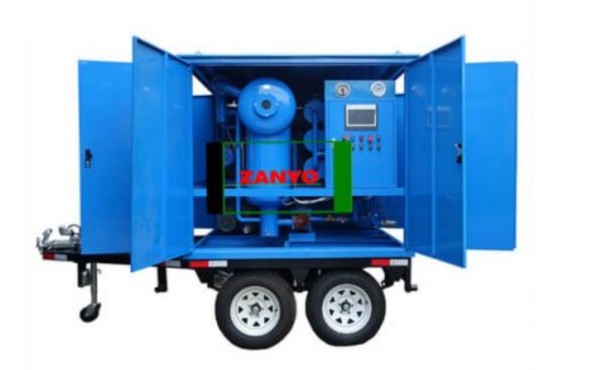
Choosing between mobile and stationary Transformer Oil Purifiers depends on your maintenance needs. Mobile units offer flexibility and fast deployment, while stationary systems provide high capacity and reliability.
Transformer Oil Purifiers Overview
What They Do
Transformer oil purifiers are machines that clean and restore the oil used in transformers. These oil purification units remove water, gas, and solid particles from the oil. Clean oil helps the transformer work safely and last longer.
Oil purification units use different methods to clean the oil. Some use vacuum technology to remove moisture and gases. Others use filters to catch dirt and other particles.
Many transformer oil purifiers can be used on-site or installed in a fixed location. Mobile oil purification units are easy to move and set up quickly. Stationary oil purification units stay in one place and handle larger amounts of oil.
Why Purification Is Essential
Oil in a transformer can get dirty over time. Water, dust, and gases can enter the oil during normal operation. Dirty oil can cause the transformer to overheat or break down.
Transformer oil purifiers help prevent these problems. Oil purification units keep the oil clean and dry. This protects the transformer from damage and reduces the risk of failure.
Regular use of oil purification units extends the life of the transformer. Clean oil improves the performance of the equipment. It also lowers the cost of repairs and downtime.
Mobile Transformer Oil Processing Equipment
Key Features
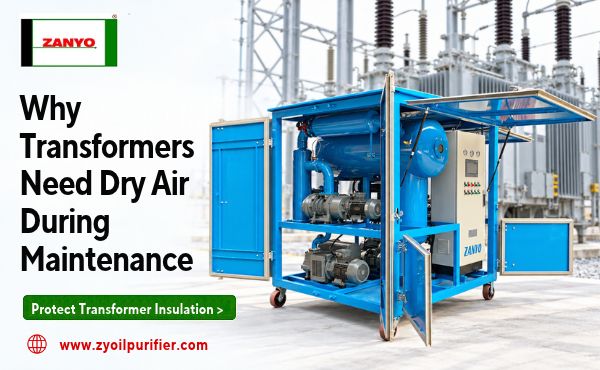
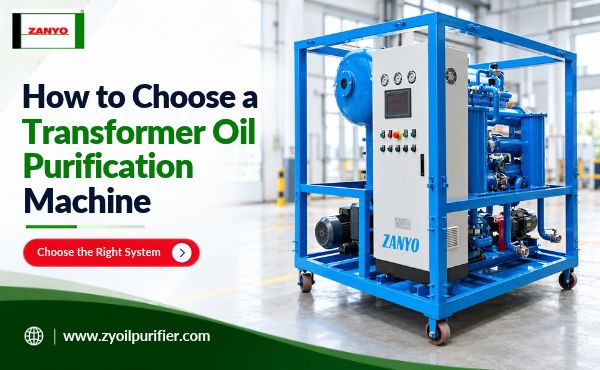
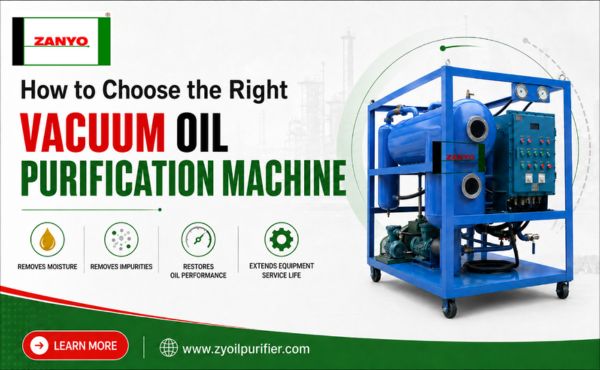
Mobile transformer oil processing equipment is designed for easy movement and quick setup. These systems use vacuum technology to remove moisture and gases from transformer oil. Mobile oil purification units also use advanced filtration to capture contaminants and improve oil quality.
Most mobile filtration equipment can process oil at flow rates between 10 and 20 gallons per minute. This speed helps reduce downtime during urgent maintenance. Operators can transport these units to different sites, making them ideal for fieldwork.
Typical Applications
Mobile oil purification units are used in many situations. They are common during emergency transformer repairs. Utilities use them for on-site filtration when transformers show signs of moisture or gas buildup.
These units also help during scheduled maintenance. Mobile filtration equipment supports oil changes and cleaning at remote substations. Field crews rely on mobile systems to keep transformers running safely.
Pros and Cons
Pros:
- Easy to move between locations.
- Fast deployment reduces transformer downtime.
- Suitable for urgent or remote maintenance tasks.
Cons:
- Lower flow rates compared to stationary systems.
- May not handle large volumes of oil at once.
- Requires regular transport and setup.
Mobile transformer oil processing equipment offers flexibility and speed. It is best for sites that need quick response and on-site filtration. These systems help protect transformers from moisture and contaminants, keeping equipment reliable.
Stationary Oil Purification Units
Main Characteristics
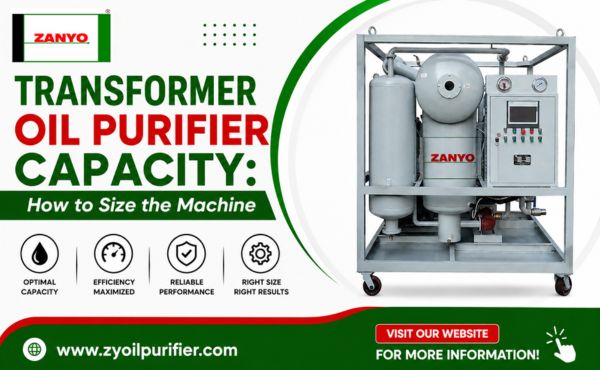
Stationary oil purification units are designed for permanent installation at transformer sites. These systems can handle high flow rates, often reaching up to 50 gallons per minute. Their robust construction ensures reliable operation over long periods.
Stationary units use advanced vacuum and filtration technology. This setup removes water, gases, and solid particles from transformer oil. The equipment operates continuously, which helps maintain oil quality at all times.
Common Use Cases
Power plants often use stationary oil purification units for ongoing maintenance. Substations also benefit from these systems, especially when transformers need frequent oil treatment. Facilities with large transformers choose stationary units to support heavy-duty operations.
These units are ideal for locations where transformers cannot be moved easily. They provide a dependable solution for sites with high oil volumes. Regular use helps prevent transformer failures and extends equipment life.
Advantages and Drawbacks
Advantages:
- High flow rates allow fast oil processing.
- Permanent installation means less setup time for each use.
- Reliable operation supports critical transformer maintenance.
Drawbacks:
- Higher initial investment compared to mobile units.
- Not suitable for sites that require frequent relocation.
- Installation may require changes to existing infrastructure.
| Feature | Stationary Units |
|---|---|
| Flow Rate | Up to 50 GPM |
| Installation | Permanent |
| Best For | Power plants, substations |
Stationary oil purification units offer strong performance for large-scale transformer maintenance. Their reliability and capacity make them a top choice for demanding environments.
Mobile vs Stationary Comparison
Mobility and Flexibility
Mobile systems offer high flexibility. Operators can move these units to different sites as needed. This makes them ideal for companies with transformers in remote or changing locations.
Stationary systems stay in one place. They work best for facilities with fixed transformer installations. These units provide continuous service but cannot move to other locations.
Capacity and Flow Rate
Mobile systems usually process oil at flow rates between 10 and 20 gallons per minute. This speed works well for small to medium transformers or urgent repairs. These units may not handle large oil volumes in one session.
Stationary systems can reach flow rates up to 50 gallons per minute. They suit large transformers and heavy-duty operations. High capacity means faster oil purification for big jobs.
| Feature | Mobile Systems | Stationary Systems |
|---|---|---|
| Flow Rate | 10-20 GPM | Up to 50 GPM |
| Best For | Small/medium jobs | Large-scale operations |
Installation and Maintenance
Mobile systems require little setup. Operators can deploy them quickly and start work right away. Maintenance is simple because these units are designed for frequent transport.
Stationary systems need professional installation. They may require changes to the site, such as new piping or electrical connections. Maintenance is regular but often less frequent due to the robust design.
Cost Factors
Mobile systems often have a lower initial cost. They are a good choice for companies that need cost effective oil purification systems for occasional use. Transport and setup costs may add up over time.
Stationary systems require a higher upfront investment. They save money in the long run for sites with frequent or large-scale oil purification needs. These units offer reliability and efficiency for critical transformer operations.
| Factor | Mobile Systems | Stationary Systems |
|---|---|---|
| Initial Cost | Lower | Higher |
| Long-term Savings | For occasional use | For frequent use |
| Customization | Limited | High |
Choosing the Right Transformer Oil Purifier
Assessing Oil Volume and Frequency
Start by measuring the amount of oil your transformers use. High oil volume means you may need a stationary unit with a high flow rate for effective filtration. If your maintenance schedule is frequent, a permanent system can save time and effort.
For smaller transformers or less frequent maintenance, mobile units are often enough. These systems can handle the filtration of used transformer oil during routine checks. Always match the purifier’s capacity to your maintenance needs to keep transformer oil quality high.
Site and Accessibility Needs
Check the layout of your facility before choosing equipment. If transformers are spread across different locations, mobile filtration units offer flexibility. These units can reach remote sites and handle on-site maintenance tasks.
For fixed installations, stationary purifiers work best. They support ongoing maintenance in power plants or substations. Consider how easy it is to move equipment and access transformers for regular filtration and degassing.
Budget and Investment
Set a clear budget for your oil purification system. Mobile units usually cost less at the start, making them a good choice for smaller operations. Stationary systems require more investment but offer savings over time for frequent maintenance.
Think about long-term costs, including maintenance and possible upgrades. Investing in high vacuum or advanced filtration technology can improve transformer reliability. Always balance initial spending with future maintenance needs.
Matching Purifier to Operations
Choose a oil purifier machine that fits your daily operations. If you need fast response for emergencies, mobile units with vacuum and heat treatment are ideal. For sites with large transformers, stationary systems with high flow rates and drying and adsorption methods provide the best results.
Look for features like removal of moisture content, degassing, and drying. These help protect transformers by removing moisture and gases from the oil. Advanced filtration and degassing systems also support the drying process and improve transformer maintenance.
| Decision Point | Mobile Purifier | Stationary Purifier |
|---|---|---|
| Oil Volume | Low to Medium | High |
| Maintenance Frequency | Occasional | Frequent |
| Site Accessibility | Multiple/Remote Sites | Fixed Locations |
| Initial Investment | Lower | Higher |
| Advanced Features | Limited | Extensive |
Regular maintenance with the right purifier ensures effective filtration, removing moisture, and drying. This keeps transformer oil quality high and extends equipment life.
Conclusion
Selecting the right Transformer Oil Purifier depends on operational needs, mobility requirements, and long-term maintenance goals. Mobile systems provide flexibility for on-site servicing, while stationary units offer efficiency for continuous, high-volume operations. Understanding these differences helps businesses improve equipment reliability, reduce downtime, and optimize maintenance investments. Choosing the appropriate solution is a critical step toward ensuring stable transformer performance and long-term operational efficiency.