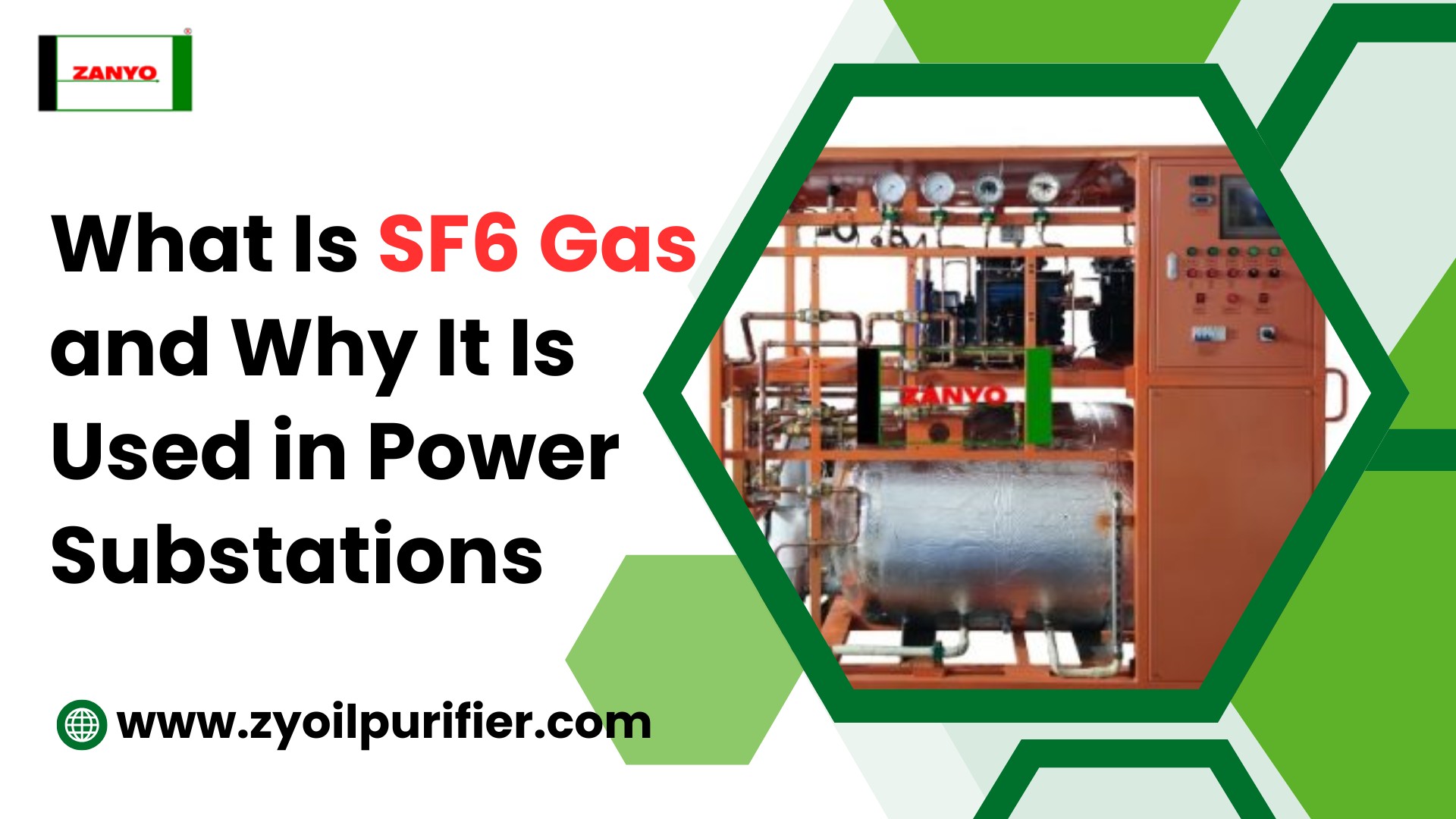
SF6 Gas is widely mentioned in discussions about high-voltage power substations, yet its role is often taken for granted. What makes this gas suitable for such demanding electrical environments, and why has it become a standard choice in critical equipment? Exploring its basic properties and applications helps set the stage for understanding how modern substations achieve insulation reliability and operational safety.
SF6 Gas Properties and Key Characteristics
What Is Sulphur Hexafluoride
Sulphur hexafluoride is a synthetic gas made from sulfur and fluorine. Scientists created it to be stable, odorless, and colorless. People use sf6 gas in many electrical systems because it does not react easily with other substances.
Physical and Chemical Features
The properties of sf6 gas make it unique among insulating materials. It has high dielectric strength, which means it can withstand strong electric fields without breaking down. This gas also resists heat and does not burn, making it safe for use in high-voltage equipment.
SF6 gas is non-toxic and chemically stable. These features help prevent dangerous reactions inside electrical devices. Engineers trust sf6 because it remains unchanged even under harsh conditions.
Insulation and Arc Quenching
SF6 gas acts as a powerful insulator in power substations. Its high dielectric strength allows it to stop electricity from jumping between conductors. When a circuit breaker opens, sf6 quickly quenches the arc, stopping the flow of electricity and preventing damage.
- SF6 provides excellent insulation for compact equipment.
- It helps keep substations safe and reliable.
- The unique properties of sf6 gas make it the preferred choice for modern electrical systems.
SF6 in Substations
SF6 Circuit Breakers
SF6 gas plays a key role in high-voltage circuit breakers. Engineers use sf6 gas to interrupt electrical currents and prevent short circuits. The gas quickly extinguishes arcs that form when the breaker opens, protecting electrical substation equipment from damage.
SF6 circuit breakers offer reliable performance in harsh environments. They handle large amounts of energy without losing effectiveness. This makes them essential for modern substations.
SF6 gas provides strong insulation inside the breaker chamber. The high dielectric strength of sf6 keeps electricity from jumping between contacts. Operators trust sf6 gas to maintain safety and stability during switching operations.
Switchgear Applications
Switchgear controls and protects electrical circuits in substations. Many types of switchgear use sf6 gas for insulation and arc quenching. SF6 gas insulated equipment can operate at high voltages without risk of electrical breakdown.
Engineers choose sf6 gas for switchgear because it resists heat and chemical reactions. The applications of sf6 gas include both indoor and outdoor electrical switchgear. SF6 helps prevent dangerous arcs and keeps systems running smoothly.
Tip: SF6 gas insulated switchgear requires less maintenance than air-insulated designs. This reduces downtime and improves reliability.
A table below shows the differences between air-insulated and sf6 gas insulated switchgear:
|
Feature |
Air-Insulated Switchgear | SF6 Gas Insulated Switchgear |
|---|---|---|
| Size | Large | Compact |
| Maintenance | Frequent | Minimal |
| Arc Quenching Ability | Moderate | Excellent |
| Voltage Range | Limited | High |
Compact Substation Design
SF6 gas enables engineers to design compact substations. Gas insulated substations use sf6 gas to reduce the size of electrical switchgear and other equipment. This allows for efficient use of space in urban or restricted areas.
SF6 gas insulated equipment supports high voltage switchgear in small enclosures. The strong insulation properties of sf6 make it possible to place components close together. This design approach saves land and lowers construction costs.
Note: Compact substations using sf6 gas help utilities deliver reliable power in crowded cities. They also improve safety by reducing the risk of electrical faults.
SF6 gas continues to shape the future of electrical substation equipment. Its unique features support advanced designs and efficient operations.
SF6 Gas Key Benefits
Safety and Reliability
SF6 gas helps the electrical utility sector maintain high safety standards. Its strong dielectric properties prevent electricity from escaping equipment. Engineers rely on sf6 gas safety to protect workers and the public from electrical hazards.
SF6 gas does not burn or react easily. This makes it a safe choice for high-voltage power systems. The electrical utility sector trusts sf6 to keep substations secure.
Efficiency Advantages
SF6 gas allows the electrical utility sector to build compact switchgear and substations. Smaller equipment saves space and reduces construction costs. The dielectric strength of sf6 supports high-voltage electricity in tight areas.
- SF6 gas reduces maintenance needs for power equipment.
- Utilities experience fewer outages and faster repairs.
- The electrical utility sector benefits from reliable electricity delivery.
A table below shows how sf6 gas improves efficiency compared to traditional insulating materials:
| Feature | Traditional Insulation | SF6 Gas Insulation |
|---|---|---|
| Equipment Size | Large | Small |
| Maintenance Frequency | High | Low |
| Power Loss | More | Less |
System Stability
The electrical utility sector depends on sf6 gas for stable power systems. SF6 keeps switchgear and circuit breakers working under stress. Its dielectric properties help prevent short circuits and equipment failures.
SF6 gas supports the flow of electricity without interruptions. Utilities can deliver consistent power to homes and businesses. The electrical utility sector relies on sf6 to maintain system stability.
SF6 Environmental Impact
Greenhouse Gas Concerns
Scientists recognize that sf6 gas has a strong environmental impact. This gas traps heat in the atmosphere and contributes to global warming. Even small leaks from electrical equipment can increase greenhouse gas emissions and affect climate change.
SF6 ranks among the most potent greenhouse gases. Its global warming potential is thousands of times higher than carbon dioxide. Utilities must monitor equipment to prevent leaks and reduce the environmental impact of sf6 gas.
Safety and Handling
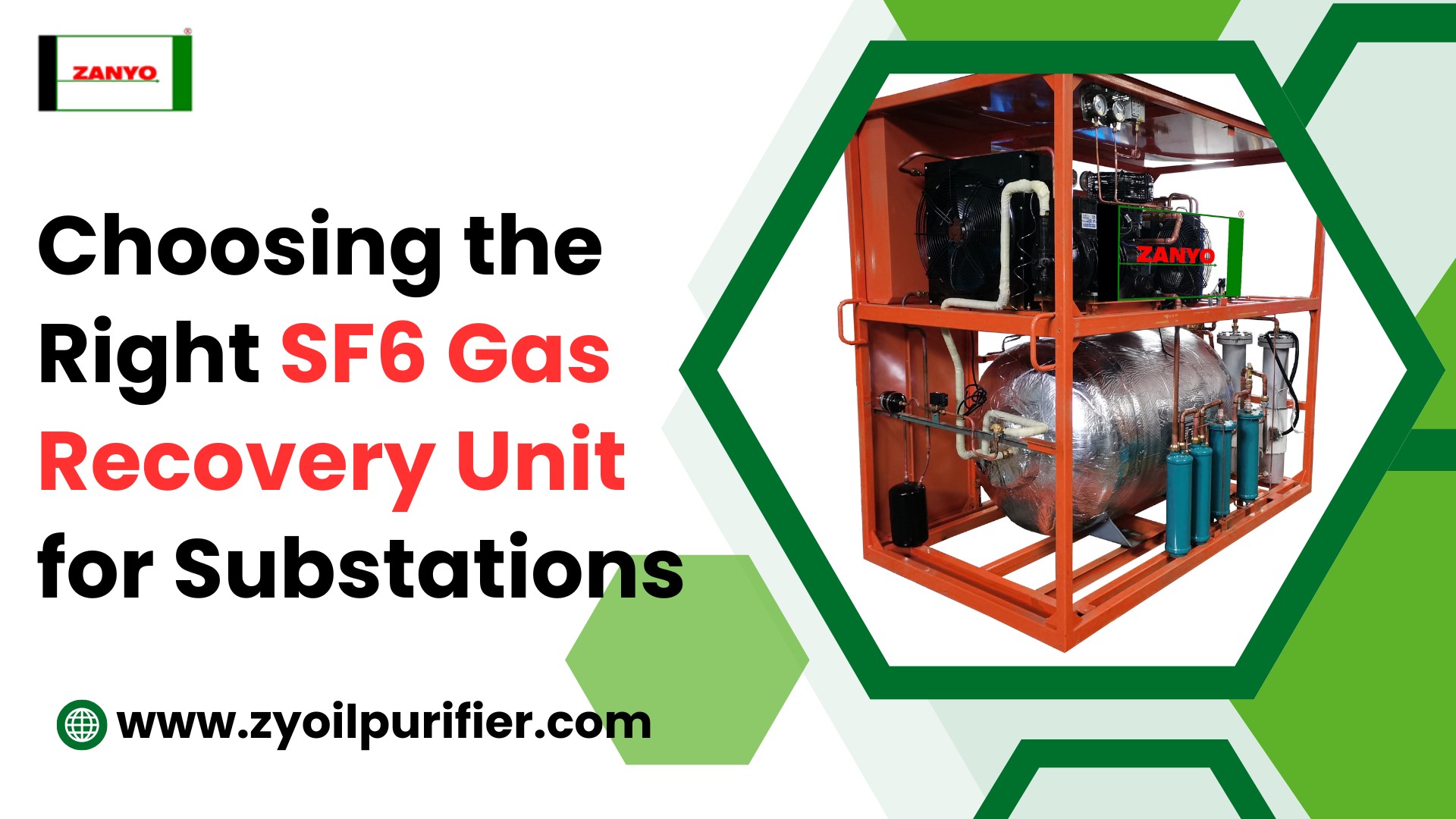
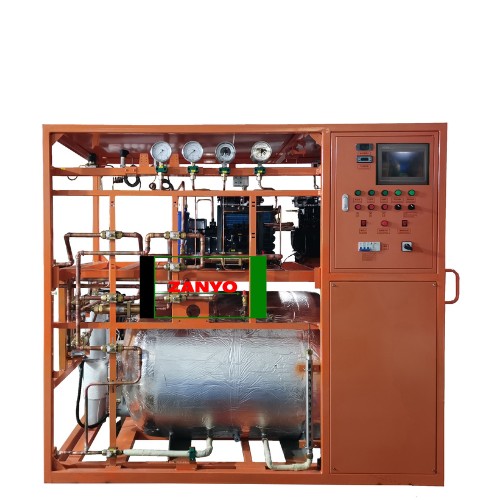
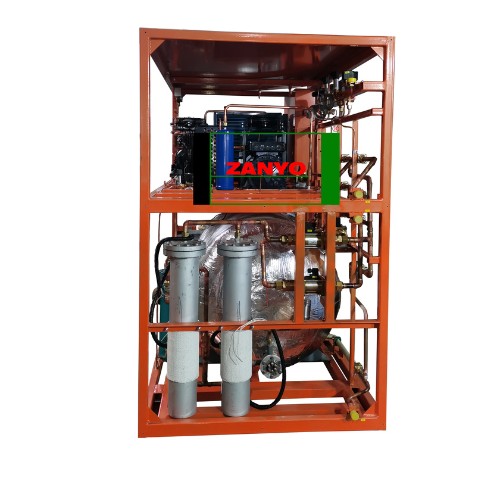
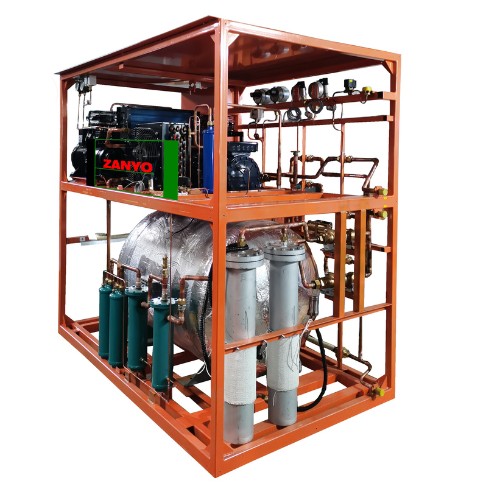
Proper SF6 gas handling protects workers and the environment. Technicians follow strict procedures to avoid accidental releases, using professional equipment like SF6 Gas Purification And Recovery Plant to ensure safety and minimize emissions. Workers wear protective gear and teams receive training on handling and emergency response. Utilities also store and transport SF6 in secure containers to prevent leaks.
- Workers wear protective gear when working with sf6 gas.
- Teams receive training on sf6 gas handling and emergency response.
- Utilities store and transport sf6 gas in secure containers to prevent leaks.
A table below shows important sf6 gas handling practices:
|
Practice |
Purpose |
|---|---|
| Leak Detection | Prevent greenhouse gas emissions |
| Protective Equipment | Ensure worker safety |
| Secure Storage |
Avoid accidental releases |
Regulations and Industry Response
Governments set rules for sf6 gas handling and disposal. These regulations aim to limit global warming and reduce greenhouse gas emissions. Utilities must report leaks and follow guidelines for safe use.
The industry is investing in new technologies to improve SF6 gas management and reduce environmental risks. Researchers are exploring alternatives to SF6 with lower global warming potential. Utilities collaborate with leading SF6 gas treatment plants manufacturers to adopt advanced recovery and purification solutions, ensuring compliance and minimizing environmental impact.
Note: Ongoing research helps the industry find solutions for climate change. The push for safer and greener practices continues to shape the future of electrical substations.
Conclusion
SF6 gas remains a top choice in substations because it provides strong insulation and reliable arc quenching. Its unique properties support safety and efficient power delivery. To maintain gas quality and reduce environmental impact, many companies now use solutions such as SF6 gas treatment plants to recover, purify, and reuse SF6, helping to lower emissions and fight climate change.