
High Purify Transformer Dry Air Generator for Reliable Maintenance
Zanyo‘s Dry Air Generator delivers stable, low-dew-point dry air to protect windings and insulation during installation and servicing. It replaces traditional nitrogen and vacuum methods with a cleaner, faster, and more efficient drying solution. We focuse on reliable performance for power-sector applications, helping engineers maintain moisture-free conditions and improve overall service quality.
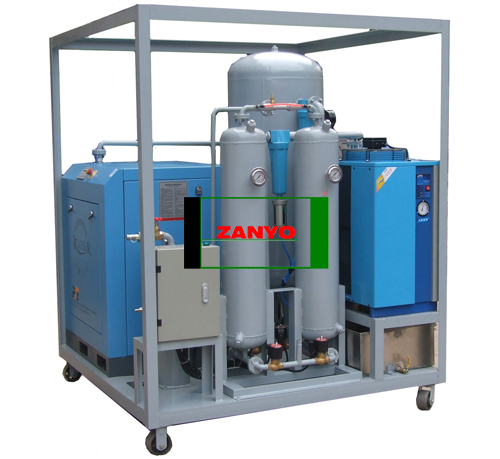
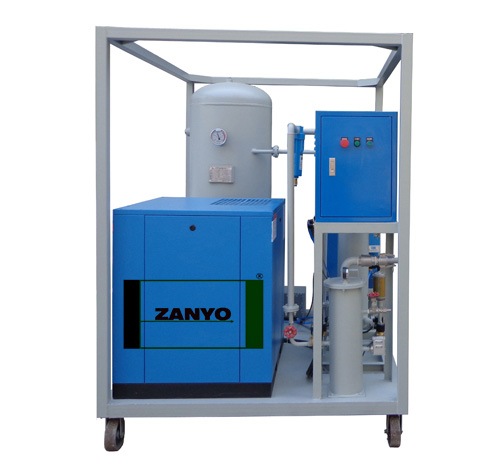
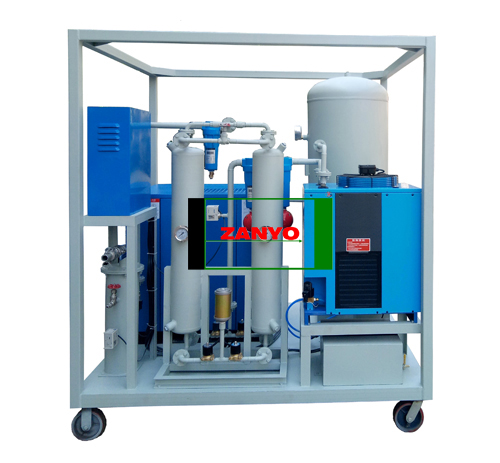
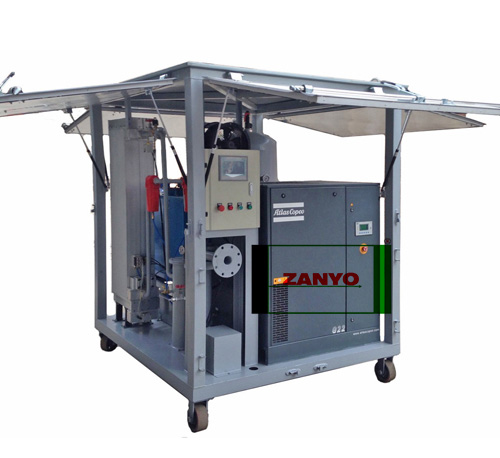
Dry Air Generator Performance for Transformer Maintenance
The Dry Air Generator provides high-purity dry air with a dew point between –55°C and –70°C, making it suitable for the installation and maintenance of transformers, reactors, and other large power equipment. It replaces older drying methods such as hot oil circulation, nitrogen filling, and vacuum extraction, offering a more efficient, economical, and safer approach to moisture control.
During equipment installation or overhaul, the system works independently of weather conditions, which is especially valuable for overnight operations. Once the flanges are sealed and dry air is filled to 0.02–0.03 MPa, there is no need for additional nitrogen, oil filling, or repeated vacuum extraction. The stable flow of dry air prevents moisture intrusion, reduces workload, shortens maintenance time, and improves the overall quality of transformer and reactor servicing.
Beyond power-sector use, the our system is applied in storerooms, packaging, electronics, and pharmaceutical environments for continuous or cycle drying. It is also suitable for nitrogen drying, hydrogen-cooled generator systems, and SF6 equipment, providing reliable low-humidity air supply across multiple industrial processes.
Dry Air Generator System Structure
Zanyo’s Dry air generator uses an imported fully enclosed high-temperature compression refrigeration unit that delivers stable performance and strong cooling capacity. The system includes a fully enclosed compressor unit, an air heat exchanger, an evaporator, a gas-water separator, and a fine filter. These components work together to cool, separate moisture, and purify the air before it enters the transformer or other equipment.
How Transformer Dry Air Generator Works
During the refrigeration process, R22 refrigerant is compressed by the fully enclosed high-temperature compressor. It then passes through the cooler, desiccant, and solenoid valve before entering the evaporator. As the refrigerant expands in the evaporator, it absorbs heat and creates a low-temperature environment of 0–5°C. This cooling process condenses and removes moisture from the air, allowing the system to supply dry, clean air with stable low dew point.
Technical Features of Dry Air Generator
- Not influenced by bad weather conditions, especially for overnight working
- Can shorten working period and improve maintenance effect.
- During oil filtration, it can fill dry air into oil equipment block and oil to improve oil insulation function and decrease the moisture.
- Adopts low pressure oil-less compressed system and low-temperature condensation moisture removal technology.
- Small dimension, light weight, easy operation, energy saving and high reliability.
Specifications of Transformer Dry Air Generator
| Model | 2 | 5 | 10 | 20 | 40 | 120 | 200 | 300 | 400 | 500 | 600 |
| Capacity (m³/h) | 2 | 5 | 10 | 20 | 40 | 120 | 200 | 300 | 400 | 500 | 600 |
| Working Pressure | 0.7~0.8MPa | ||||||||||
| Dew Point | -55°C ~ -70°C | ||||||||||
| Gas Pressure | 0.01~0.8MPa (can be changed) | ||||||||||
| Dust Particles | ≤0.01μm | ||||||||||
| Freezing Medium | R22 | ||||||||||
| Compressor (kw) | 0.25 | 0.5 | 0.5 | 0.65 | 0.65 | 1 | 1.2 | 1.6 | 1.9 | 2.6 | 2.6 |
| Power (kw) | 6 | 6.5 | 7 | 7.5 | 8 | 15 | 22 | 30 | 45 | 50 | 55 |
| Power Supply | According to clients’ requirements | ||||||||||
| Pipe Size mm | 19 | 19 | 25 | 32 | 32 | 38 | 40 | 40 | 50 | 50 | 58 |
| Machine size mm | 1450 | 1500 | 1510 | 1850 | 1850 | 2240 | 2300 | 2300 | 2350 | 2950 | 3150 |
| 1000 | 1050 | 1100 | 1500 | 1540 | 1690 | 1950 | 2000 | 1050 | 2100 | 2200 | |
| 1550 | 1600 | 1610 | 2240 | 2400 | 2400 | 2400 | 2430 | 2450 | 2750 | 2800 | |
| Weight kg | 350 | 380 | 420 | 650 | 800 | 1350 | 2100 | 2360 | 2850 | 3500 | 3780 |
Guide to Dry Air Generator Applications in Transformers
Understanding the Role of a Dry Air Generator
A dry air generator supplies clean, dehumidified air to the transformer tank when internal components are exposed to the atmosphere. It prevents moisture ingress, protects cellulose insulation, and maintains a controlled environment during open-tank operations. You avoid the need for nitrogen cylinders and reduce operational complexity while keeping humidity at safe levels.
How a Dry Air Generator Works
Air Intake and Filtration
The system starts by drawing in ambient air. Multi-stage filtration removes dust, oil particles, and other contaminants. Clean air prevents insulation contamination and maintains stable internal conditions during inspections or assembly.
Compression and Cooling
The compressor increases air pressure. Compressed air contains high moisture content, so cooling is necessary to condense water vapor. This step prepares the airflow for deeper drying.
Moisture Removal
Two drying approaches are commonly used:
- Desiccant drying, suitable for long open-tank durations and low dew-point requirements.
- Refrigeration drying, suitable for routine maintenance or general assembly tasks.
The choice depends on the dew-point target, transformer size, and environmental conditions.
Delivery and Monitoring
Dried air enters the transformer tank through hoses or dedicated ports. A control panel monitors dew point, pressure, and airflow, ensuring stable performance during the entire operation. You can keep a consistent internal environment while work progresses.
Benefits of Using a Dry Air Generator in Transformers
When to Use Dry Air Generators for Transformers
Manufacturing and Assembly: Dry air protects internal insulation during coil assembly, bushing preparation, and final inspection. It ensures components remain dry until oil filling.
On-Site Installation: Field installation often requires long open-tank periods. Dry air provides continuous protection from ambient humidity and prevents condensation inside the tank.
Maintenance and Repair: During oil draining, inspection, or part replacement, dry air prevents moisture intrusion. You maintain insulation stability throughout the maintenance process.
Storage and Transport: When transformers remain open or partially assembled during transport or storage, dry air maintains controlled humidity around internal components.
Common Issues and Solutions
Dew-point drift usually indicates saturated filters or worn desiccant. Replacing them restores stability.
Airflow loss often comes from a blocked hose or loose connector—simple checks fix most cases.
Oil mist must be prevented with a good separator and routine compressor service.
If the unit overheats, placing it in better ventilation usually solves the problem.
Best Practices When Using a Dry Air Generator
- Match dew point to the transformer’s insulation level.
- Run the generator before opening the tank to avoid sudden moisture ingress.
- Measure dew point at the transformer port for accurate readings.
- Use shorter hoses to reduce pressure loss and condensation.
- Replace filters and desiccant on schedule.
Optional Features for Dry Air Generator
Imported Dew Point Meter
Accurately monitors the dew point of the output air, ensuring optimal dryness for transformer maintenance.
Enclosed Doors
Provides enhanced safety and protection, reducing dust and moisture exposure during operation.