Selecting the right equipment is critical for safe and efficient SF6 gas management in modern power systems. Choosing the right SF6 Gas Recovery Unit for substations helps minimize gas losses, ensure regulatory compliance, and support reliable maintenance of high-voltage equipment. Understanding key performance factors and application requirements allows operators to make informed decisions that improve operational efficiency and long-term sustainability.
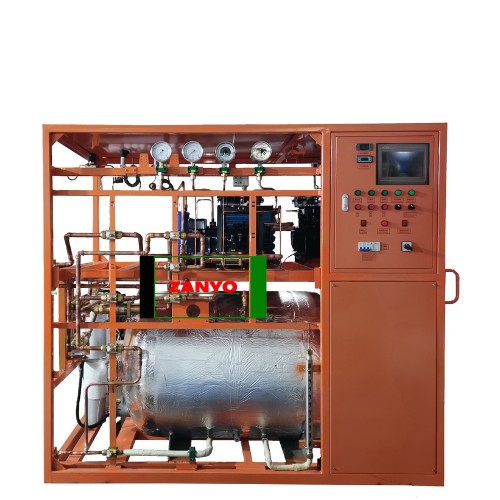
Key Factors in Selecting an SF6 Gas Recovery Unit
Safety and Compliance
Safety is one of the key factors in selecting an sf6 gas recovery unit. The right equipment protects workers from leaks and exposure during sf6 handling. Units must meet strict compliance standards to avoid legal issues and keep the environment safe.
A good sf6 gas recovery device should have safety features like leak detection and emergency shut-off. These features help prevent accidents and ensure proper sf6 storage. Matching the unit’s safety features to your substation’s needs reduces risks.
Efficiency and Recovery Rate
Efficiency is another key factor in selecting the right unit. High efficiency means the device can recover more sf6 in less time. This reduces downtime and keeps substation operations running smoothly.
The recovery rate shows how much sf6 the unit can collect and reuse. Look for units with a high recovery rate, as this saves gas and money. Fast and efficient recovery also means less chance of gas escaping into the air.
A table can help compare recovery rates:
| Device Type | Recovery Rate (%) | Processing Speed (kg/h) |
|---|---|---|
| Standard Model | 95 | 5 |
| Advanced Model | 99 | 8 |
Choose a unit that matches your substation’s sf6 volume and recovery needs.
Cost and ROI
Cost is a key factor in selecting any equipment. Look at both the purchase price and the long-term savings. A unit with a higher price may offer better recovery and lower maintenance costs.
Calculate the return on investment (ROI) by comparing the cost of the unit to the savings from reduced sf6 loss and fewer repairs. Efficient units often pay for themselves over time. Consider the cost of downtime and fines if the unit does not meet compliance standards.
Matching the unit’s capacity and features to your substation’s sf6 usage ensures you get the best value. Review your needs before making a final choice.
Why Proper SF6 Handling Matters
Personnel Safety
Proper sf6 handling protects workers from exposure to harmful gas. Leaks can cause health problems, such as breathing issues or skin irritation. Using the right equipment and following safety steps keeps everyone safe.
A safe workplace reduces accidents and builds trust among team members.
Environmental Impact
Sf6 is a strong greenhouse gas. Even small leaks can harm the environment. Recovery units help capture and reuse gas, which lowers emissions.
The three Rs—Reuse, Recover, Recycle—guide responsible sf6 use. These steps help protect the air and keep the planet healthy.
Regulatory Standards
Laws require strict control of sf6 in substations. Failing to follow rules can lead to fines or shutdowns. Meeting standards also shows a commitment to safety and the environment.
A good recovery unit helps meet these rules. It also makes record-keeping and reporting easier.
Proper sf6 handling is not just about following rules. It also supports safe, efficient, and responsible operations.
SF6 Gas Recovery Unit Functions
Gas Extraction and Storage
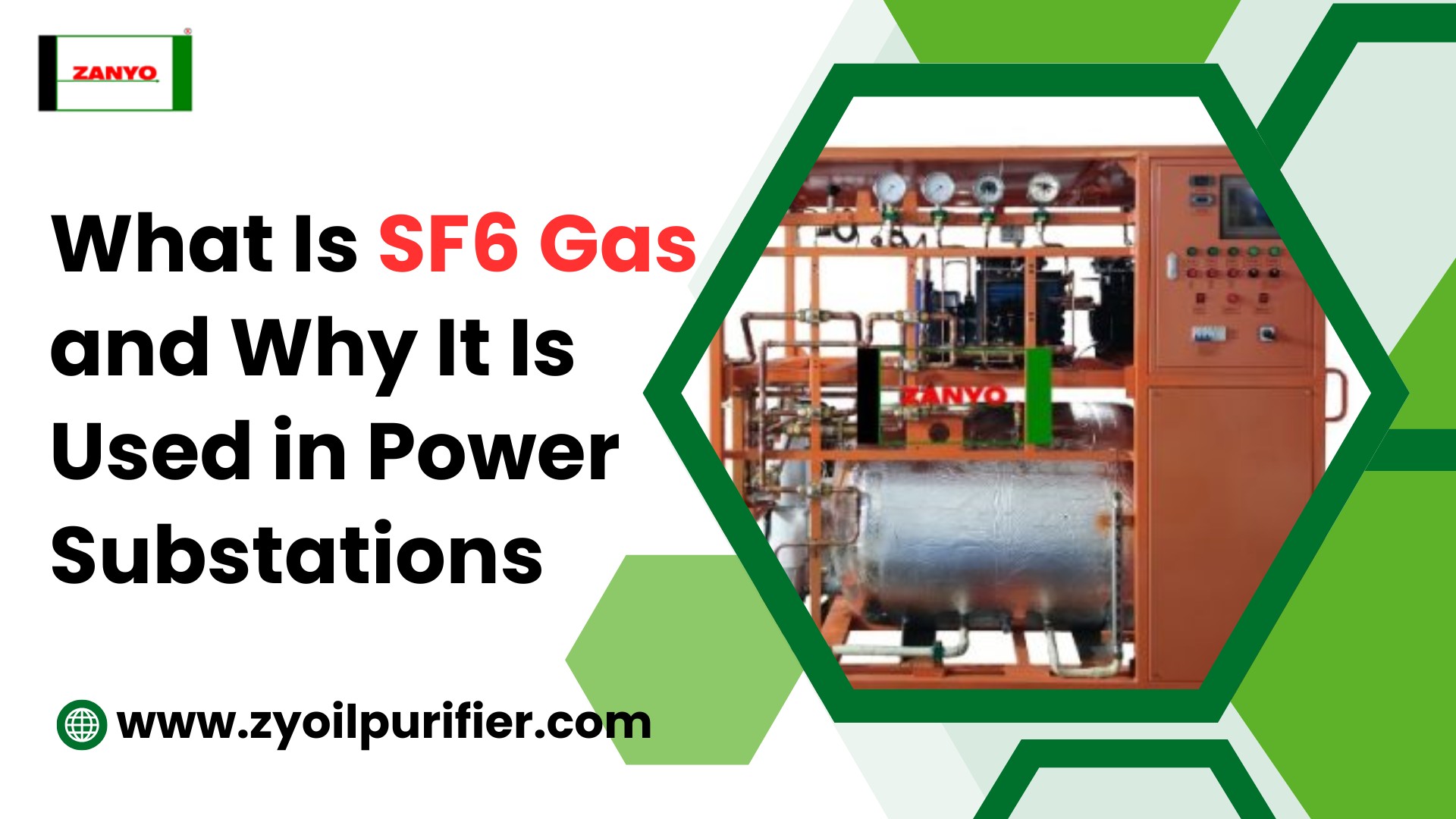
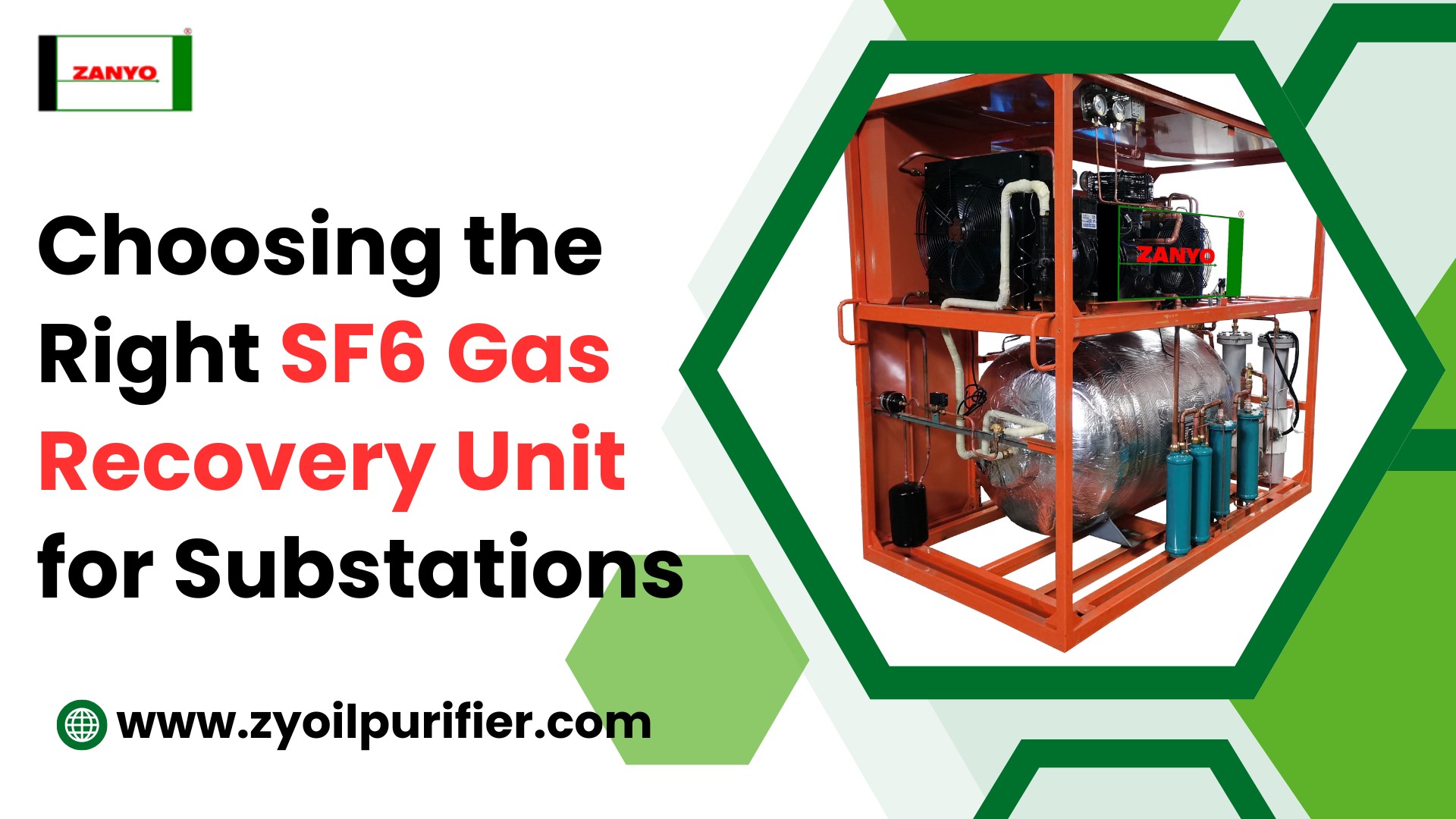
SF6 gas recovery units use high-performance vacuum pumps to extract gas from substation equipment. These pumps remove gas quickly and safely. The extracted gas moves into a dedicated storage tank, which keeps it secure until needed again.
A reliable sf6 recovery system must handle the volume of gas at your site. The right storage capacity reduces the risk of overflow and ensures safe operations.
Purification and Moisture Control
Purification is a key function in every recovery unit. The system removes impurities and moisture from the sf6 gas. Clean gas improves equipment performance and extends its lifespan.
Moisture control is important because water can damage electrical parts. Units often include sensors to monitor moisture levels. This helps maintain high gas purity and supports safe recovery.
Automation and Mobility
Modern recovery units offer automation features. Automated controls make the process faster and reduce human error. Operators can set the system to run with minimal supervision.
Mobility is also important for substations with multiple locations. Portable units allow teams to move equipment easily. This flexibility saves time and supports efficient sf6 recovery across different sites.
High recovery rates and gas purity depend on these core functions. Each feature supports safe, efficient, and compliant sf6 handling.
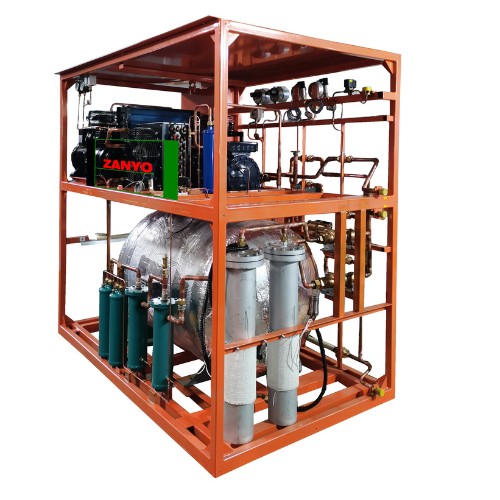
Key Features of SF6 Gas Recovery Devices
Recovery Rate and Vacuum Level
A high recovery rate is important for any sf6 gas recovery unit. The best devices reach over 99% recovery. This means almost all sf6 is collected and reused. Strong vacuum levels help remove gas from equipment quickly. High vacuum also lowers the risk of leaks. These features help keep the substation safe and reduce gas loss.
Capacity and Processing Speed
Capacity shows how much sf6 a device can handle at one time. Processing speed tells how fast the device can recover gas. A good sf6 recovery system matches its capacity to the needs of the substation. Fast processing means less downtime during maintenance. The right storage size also prevents overfilling and keeps operations smooth.
| Feature | Standard Device | Advanced Device |
|---|---|---|
| Capacity (kg) | 50 | 100 |
| Speed (kg/h) | 5 | 10 |
Purity and Moisture Monitoring
Purification is key for safe sf6 use. The best units reach over 99.5% purity. Moisture monitoring helps keep water out of the gas. Too much moisture can damage equipment. Sensors in the sf6 gas recovery device check purity and moisture all the time. This keeps the gas safe for reuse and protects the system.
Compliance and Emission Control
Compliance is a must for every substation. The sf6 gas recovery unit must meet all rules for emissions and safety. Good emission control stops gas from escaping into the air. This helps avoid fines and keeps the substation running. Proper compliance also builds trust with regulators and the public.
These features lower the risk of outages and cut down on operational problems. They also help save money by reducing repairs and fines.
Risks of Choosing the Wrong SF6 Device
Safety Hazards
Choosing the wrong sf6 device can put workers at risk. Poor equipment may not seal properly, which can lead to leaks. Unsafe sf6 handling increases the chance of accidents and health problems.
A reliable sf6 recovery system protects both people and equipment.
Environmental Fines
Improper sf6 devices can cause gas to escape into the air. This gas is harmful to the environment. Many countries have strict regulations about sf6 emissions.
If a device does not meet compliance rules, the substation may face heavy fines. These fines can add up quickly. Following regulations helps avoid legal trouble and protects the planet.
Downtime and Maintenance Costs
The wrong device can slow down maintenance work. Breakdowns or slow recovery can lead to longer outages. Substations may lose money when equipment is offline.
Extra repairs and frequent maintenance also raise costs. Reliable sf6 devices help keep operations smooth and reduce downtime.
Making the right choice supports compliance, safety, and efficient operations.
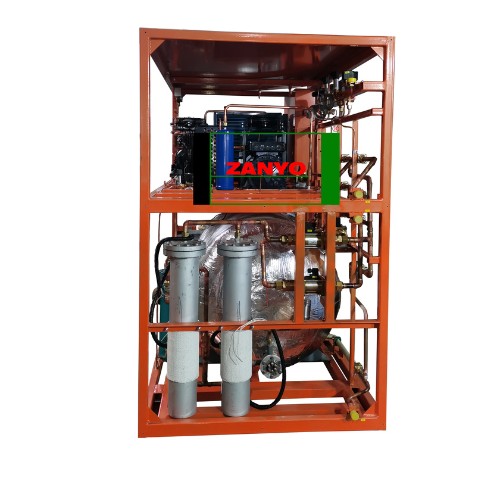
Matching SF6 Device Features to Substation Needs
Assessing Substation SF6 Usage
Every substation has different needs. Start by checking how much sf6 is used at your site. Record the number of switchgear units and the total gas volume. This helps you choose a sf6 gas recovery unit with the right capacity.
Make a list of maintenance tasks that require gas recovery. Note how often these tasks happen. Use this information to estimate the speed and storage size needed. A table can help organize your findings:
| Task Type | Frequency | SF6 Volume (kg) |
|---|---|---|
| Routine Service | Monthly | 30 |
| Emergency Repair | Yearly | 50 |
Customization and Support
Substations may need special features. Some sites need portable units for work at different locations. Others need advanced controls for automatic recovery. Ask vendors about options for customizing the sf6 recovery system.
Support matters too. Experienced vendors offer training and help with setup. They provide fast service if problems happen. Choose a vendor that can scale with your needs as your substation grows.
Look for these support features:
- On-site training
- Remote troubleshooting
- Upgrade options
Matching device features to your substation ensures safe and efficient recovery. Customization and strong support help you get the most from your investment.