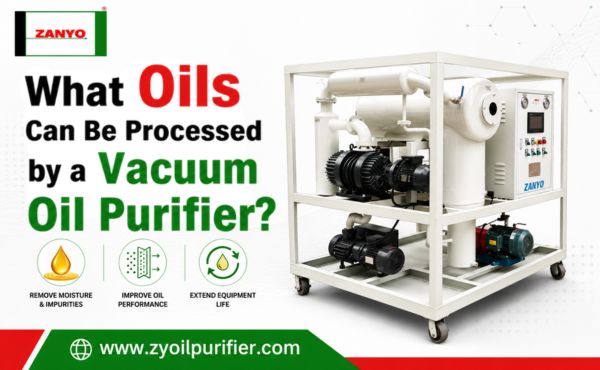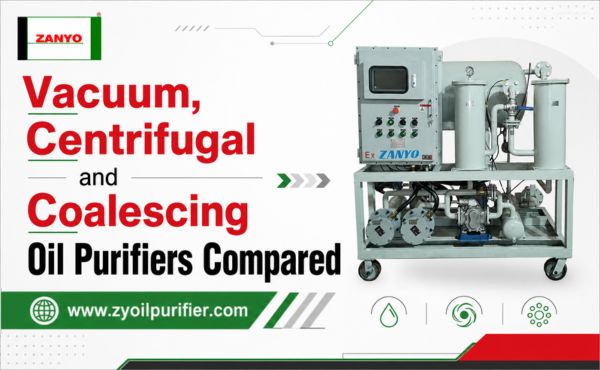
Oil purifier vacuum pump systems help keep oil clean in many places. These systems use vacuum technology to take out water, gas, and dirt from oil. Rotary vane and roots pumps are important parts of oil purifier vacuum pump systems.
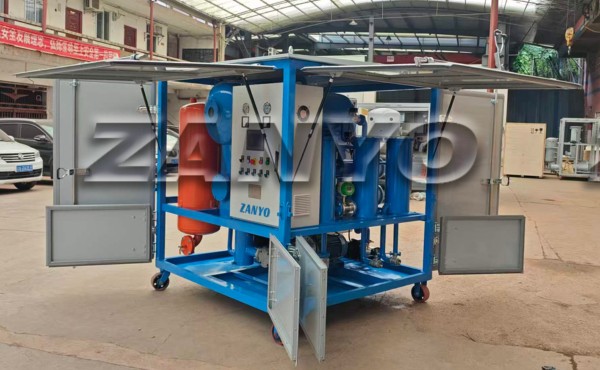
Why Vacuum Pumps Matter in Oil Purification
You need a vacuum to clean oil in many industries. A vacuum helps remove water, air, and other gases from oil. When you use a vacuum, you make oil safer for machines.
A pump creates the vacuum inside the oil purifier system. The pump pulls air and gas out of the oil chamber. This process lowers the pressure and helps remove things that can harm oil.
You will find that oil can hold water and gas. These things can cause rust and damage in machines. A vacuum pump helps you get rid of these problems.
If you use oil with water or gas, your machines may break down. The vacuum pump protects your machines by keeping oil pure. You can trust the system to keep oil clean for a long time.
A vacuum pump also helps remove dirt and small particles from oil. When you use the pump, you make sure oil stays clear and safe. Clean oil means less wear and tear on machine parts.
You should know that not all pumps work the same way. Some pumps create a stronger vacuum than others. You need to pick the right pump for your oil and your system.
Here is why a vacuum pump is important in oil purification:
- It removes water and gas from oil.
- It keeps oil clean and safe for machines.
- It helps your system work better and last longer.
- It lowers the chance of machine failure.
If you want your oil purifier system to work well, you must use a good vacuum pump. The right pump makes oil last longer and saves you money on repairs. You can see why vacuum pumps matter in oil purification.
Roots Pumps in Oil Purifier Systems
How Roots Pumps Improve Vacuum Performance
You will find that roots pumps play a big role in oil purifier systems. These pumps help you reach a strong vacuum quickly. The roots vacuum pump works by moving air and gas out of the oil chamber.
Roots pumps use two rotating lobes. These lobes trap and move air, which helps lower the pressure in the system. When you use a roots vacuum pump, you can remove water and gas from oil much faster.
Many oil purifier systems use roots pumps with oil sealed displacement pumps. This combination gives you a deeper vacuum. The roots pump boosts the speed of the vacuum process, so you get clean oil in less time.
Roots pumps also help when you need to keep the vacuum steady. You can trust these pumps to keep the oil free from air and gas. This makes your oil safer for machines.
When a Roots Pump Is Needed
You should use a roots pump when you need a strong vacuum for oil purification. If your oil has a lot of water or gas, the roots vacuum pump can help you remove these fast. Some oils need a deeper vacuum to get rid of all the contaminants.
Roots pumps work well with oil sealed displacement pumps. This setup is best when you want both speed and a deep vacuum. You may need roots pumps if your system handles large amounts of oil or if you want to finish the job quickly.
Here are times when you need a roots pump:
- You want to remove water and gas from oil fast.
- Your oil purifier system needs a steady and deep vacuum.
- You use oil sealed displacement pumps and want better performance.
- You process large volumes of oil.
Roots pumps help you keep oil clean and safe. You can count on these pumps to make your oil purifier system work better.
Rotary Vane Pump vs Roots Pump: Key Differences
Function, Vacuum Level, and Pumping Speed
You need to know how each pump works in an oil purifier system. A rotary vane pump uses spinning vanes to trap and move air out of the oil chamber. This pump creates a steady vacuum and works well for most oil types.
A roots pump uses two rotating lobes to move air and gas. This pump does not touch the oil, so it stays clean. You get a strong vacuum with a roots pump, especially when you use it with a rotary vane pump.
The vacuum level is important for oil purification. A rotary vane pump gives you a good vacuum for basic oil cleaning. A roots pump can reach a deeper vacuum, which helps remove more water and gas from oil.
You should also look at pumping speed. A rotary vane pump works at a steady pace. A roots pump gives you high pumping speed, so you can clean oil faster.
Here is a table to help you compare:
| Feature | Rotary Vane Pump | Roots Pump |
|---|---|---|
| Vacuum Level | Good | Very strong |
| Pumping Speed | Steady | High pumping speed |
| Oil Contact | Yes | No |
| Main Use | Basic oil purification | Deep oil purification |
Best Applications for Each Pump Type
You should pick a rotary vane pump if you need a simple vacuum for regular oil. This pump works well for small to medium oil volumes. It is easy to use and maintain.
A roots pump fits best when you need a deep vacuum for oil with lots of water or gas. You should use this pump for large oil volumes or when you want high efficiency. Many oil purifier systems use both pumps to get the cleanest oil.
If you want to keep your oil safe and your machines running, choose the right pump for your needs. Think about the oil type, the vacuum level you want, and how fast you need to clean the oil.
Rotary Vane Pumps in Oil Purifier Systems
How Rotary Vane Pumps Work
You will find rotary vane pumps in many oil purifier systems. These pumps use spinning vanes inside a chamber to create a vacuum. The vanes move air and gas out of the oil, which helps you remove water and other unwanted materials.
When you turn on the pump, the vanes spin and trap air. The vacuum pulls air and gas away from the oil. This process lowers the pressure in the chamber and helps clean the oil.
Rotary vane pumps work well with different types of oil. You can use them for light or heavy oil. Many people choose oil sealed rotary pumps because they keep the vacuum strong and steady.
You will see that rotary vane pumps do not touch the oil directly. The pump uses a sealed design to keep oil and air separate. This helps you avoid mixing oil with air or gas.
Main Advantages and Limitations
Rotary vane pumps give you many benefits in oil purification. You get a steady vacuum that works for most oil types. The pump runs quietly and does not need much care.
You can use rotary vane pumps for small or medium oil volumes. The pump is easy to install and fits well in many systems. You will find that these pumps last a long time if you keep them clean.
However, rotary vane pumps have some limits. The vacuum level is not as deep as with roots pumps. You may not remove all water or gas from oil if you need a very strong vacuum.
The pump can wear out if you use dirty oil. You should always check the oil and change it if needed. If you want the best results, use rotary vane pumps with other pumps for deep cleaning.
Here is a quick look at the pros and cons:
| Advantages | Limitations |
|---|---|
| Steady vacuum | Not the deepest vacuum |
| Quiet operation | Can wear out with dirty oil |
| Easy to use and maintain | May need help for heavy cleaning |
Rotary vane pumps help you keep oil clean and safe. You can trust these pumps for most oil purification jobs.
Why Some Oil Purifiers Use Both Pump Types
You often see oil purifier systems that use both rotary vane and roots pumps. This combination helps you reach a stronger vacuum and clean oil faster. Each pump brings special strengths to the process.
Rotary vane pumps start the vacuum process. You get a steady vacuum that removes air and gas from oil. Roots pumps then boost the vacuum level and speed up the cleaning.
You can use both pumps together when you need deep oil purification. The rotary vane pump handles basic vacuum needs. The roots pump pushes the vacuum deeper and removes more water and gas.
Many oil purifier systems need a strong vacuum to protect machines. You get better results when you use both pumps. This setup helps you clean oil with high contamination.
Here is a simple table to show how both pumps work together:
| Step | Rotary Vane Pump | Roots Pump |
|---|---|---|
| Start vacuum | Yes | No |
| Boost vacuum | No | Yes |
| Remove air/gas | Yes | Yes |
| Deep purification | No | Yes |
You can trust this combination to keep oil safe for machines. The vacuum stays strong and steady. You also save time because the pumps work faster together.
If you want the best oil purification, you should use both pumps. You get a powerful vacuum and cleaner oil. This method helps your system last longer and work better.
How to Choose the Right Vacuum Pump System
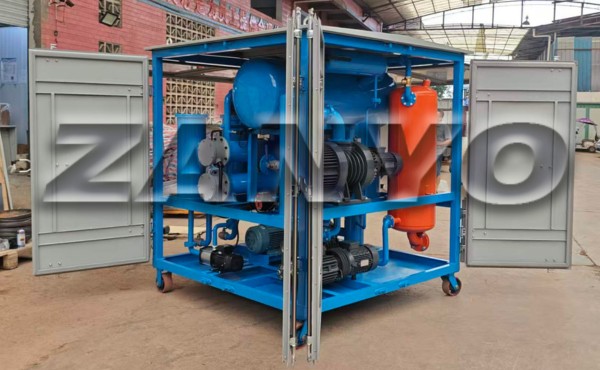
Oil Type and Contamination Level
You need to look at the oil you want to purify. Some oils hold more water or gas than others. If your oil has a lot of contamination, you need a stronger vacuum.
Light oils often need a different vacuum level than heavy oils. You should test your oil to see how much water or gas it contains. This helps you pick the right vacuum pump system.
If you use the wrong vacuum, you may not clean the oil well. Always match the vacuum strength to the oil type and contamination level. This step keeps your machines safe.
Flow Rate, Vacuum Requirement, and Maintenance
You should check how much oil you need to process each hour. A higher flow rate means you need a vacuum pump system that works fast. Some pumps handle large volumes better than others.
Look at the vacuum requirement for your process. Some jobs need a deep vacuum, while others need only a basic vacuum. Choose a pump that meets your vacuum target.
Maintenance is also important. Some vacuum pumps need more care and cleaning. If you want less downtime, pick a system that is easy to maintain.
Here is a quick table to help you compare:
| Factor | What to Consider |
|---|---|
| Flow Rate | Amount of oil per hour |
| Vacuum Level | Depth of vacuum needed |
| Maintenance | Ease of cleaning and upkeep |
You can make a better choice when you look at these factors. The right vacuum keeps your oil pure and your machines running well.
Conclusion
You have learned that rotary vane and roots pumps each play a key role in oil purifier vacuum pump systems. Rotary vane pumps give you a steady vacuum for basic oil cleaning. Roots pumps help you reach a deeper vacuum and clean oil faster.