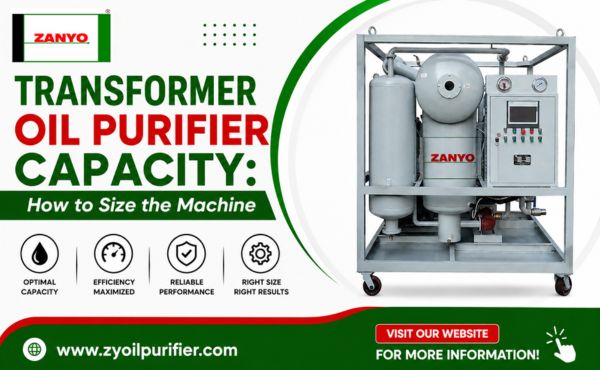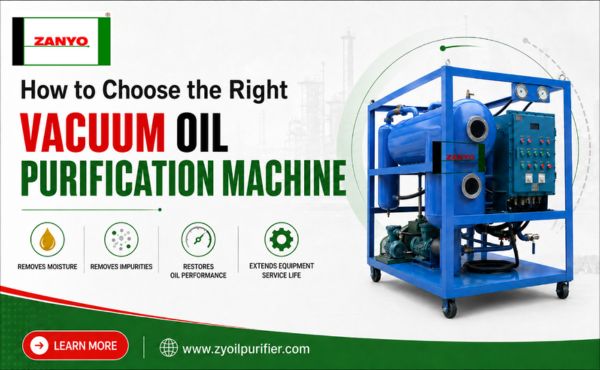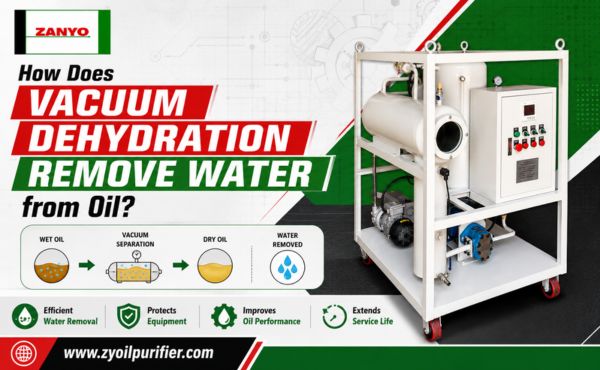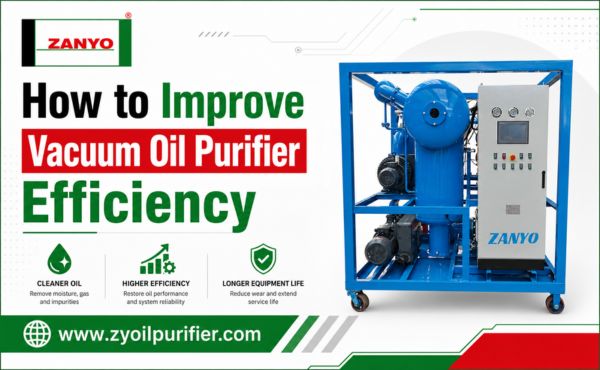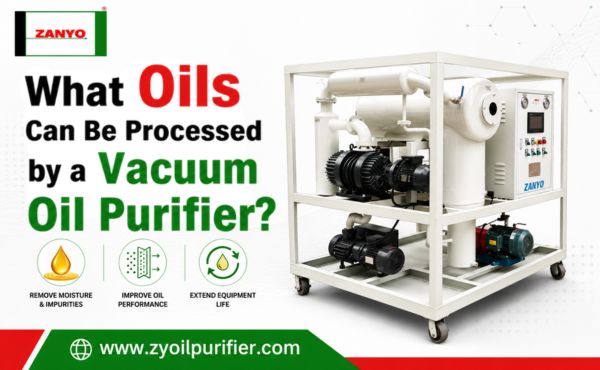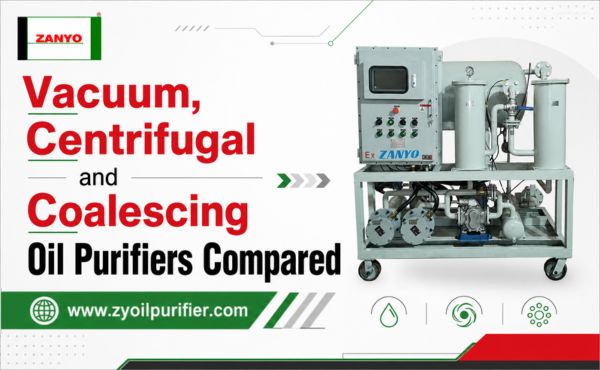
Vacuum degassing and dehydration oil purification technology refers to a process that removes water, gases, and contaminants from oil to keep it clean and effective. This method helps protect equipment and extends the life of both machinery and oil. Oil Purification Technology delivers benefits such as improved oil quality, reduced maintenance needs, and greater system reliability in many industries.
How Oil Purification Technology Works
Vacuum Degassing Process
Vacuum degassing uses a deep vacuum to remove dissolved gases from oil. The process lowers the pressure inside a chamber, causing gases to escape from the oil. This step helps prevent oxidation and reduces the risk of bubbles forming in equipment.
Dehydration and Contaminant Removal
Oil Purification Technology targets water in three forms: free, emulsified, and dissolved. Heaters warm the oil, making it easier to separate water and contaminants. Multi-stage chambers allow oil to pass through several levels, where water and particulates are removed.
- Free water settles at the bottom.
- Emulsified water breaks apart and evaporates.
- Dissolved water escapes as vapor under vacuum.
A filtration system captures solid particles, ensuring the oil stays clean.
System Components and Automation
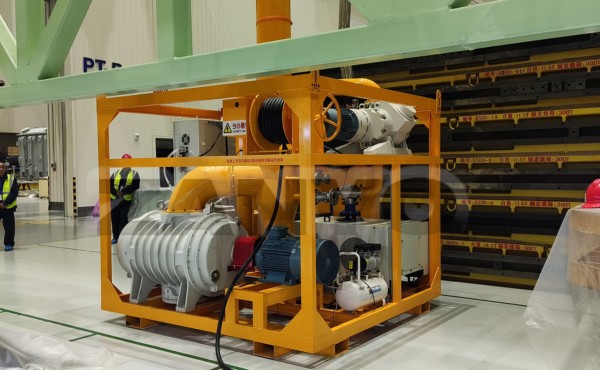
Modern Oil Purification Technology systems use several key components. Deep vacuum pumps create the low-pressure environment needed for degassing and dehydration. Heaters raise oil temperature to speed up water removal. Multi-stage chambers provide space for separation and filtration.
A PLC (Programmable Logic Controller) automates the process. The PLC monitors pressure, temperature, and flow rates. It adjusts settings to maintain optimal performance and protect equipment.
| Component | Function |
|---|---|
| Vacuum Pump | Removes gases and water vapor |
| Heater | Raises oil temperature |
| Multi-stage Chamber | Separates water and particulates |
| PLC Automation | Controls and monitors the process |
Oil Purification Technology combines these features to deliver reliable oil cleaning and protection.
Benefits of Vacuum Degassing and Dehydration
Enhanced Oil Quality
Vacuum degassing and dehydration remove water, gases, and particles from oil. Clean oil works better and lasts longer. This process helps maintain the oil’s original properties.
Equipment Protection and Longevity
Oil Purification Technology protects equipment by keeping oil free from harmful substances. Machines that use clean oil experience less wear and tear. This leads to longer service life for pumps, turbines, and other components.
Lower Maintenance Costs
Clean oil means fewer repairs and less downtime. Companies spend less money on fixing machines when oil stays clean. Regular use of vacuum degassing and dehydration can lower overall maintenance costs.
- Fewer breakdowns
- Less frequent oil changes
- Reduced labor expenses
Varnish and Contaminant Control
Varnish forms when oil breaks down and leaves sticky deposits. These deposits can block filters and damage parts. Vacuum degassing and dehydration remove the water and gases that cause varnish.
| Problem | Solution Provided by Technology |
|---|---|
| Varnish buildup | Removes water and gases |
| Particle clogging | Filters out solid contaminants |
| Oil aging | Maintains oil stability |
Oil Purification Technology helps control varnish and keeps oil clean for longer periods.
Applications in Industry
Power and Transformer Oil
Power plants and substations rely on clean oil for transformers and circuit breakers. Water and gas in transformer oil can cause electrical failures. Oil Purification Technology removes these impurities, which helps prevent short circuits and extends the life of electrical equipment.
Operators often use this technology during maintenance or after oil leaks. It keeps transformer oil within safe operating standards.
Hydraulic and Lubrication Systems
Factories and heavy machinery use hydraulic and lubrication systems to move parts and reduce friction. Dirty oil can lead to system failures and costly repairs. Oil purification removes water, air, and solid particles from hydraulic fluids and lubricants.
- Clean oil improves machine performance.
- Fewer breakdowns mean less downtime.
- Maintenance teams can focus on other tasks.
Hydraulic presses, turbines oils, and gearboxes all benefit from regular oil purification.
Other Industrial Uses
Many industries need clean oil for smooth operations. Steel mills, paper factories, and marine vessels use oil purification to protect their equipment. This process helps keep engines, compressors, and pumps running efficiently.
| Industry | Equipment Protected | Benefit |
|---|---|---|
| Steel Mills | Rolling mills, pumps | Less wear and tear |
| Marine | Engines, gearboxes | Fewer breakdowns |
| Paper Factories | Compressors, turbines | Longer equipment life |
Oil Purification Technology supports many sectors by keeping oil clean and equipment reliable.
Comparing Oil Purification Methods
Filtration vs. Vacuum Technology
Filtration and vacuum technology both clean oil, but they work in different ways. Filtration uses filters to trap solid particles like dirt and metal shavings. This method does not remove water or gases from oil.
Vacuum technology removes water, gases, and some particles. It uses a vacuum chamber to pull out dissolved and emulsified water. This process also helps remove air and other gases that can harm equipment.
| Method | Removes Solids | Removes Water | Removes Gases |
|---|---|---|---|
| Filtration | ✅ | ❌ | ❌ |
| Vacuum | ✅ | ✅ | ✅ |
Centrifugation and Alternatives
Centrifugation spins oil at high speeds to separate water and solids. Heavy particles move outward and collect on the sides. Water, being heavier than oil, also separates and can be drained off.
Other alternatives include coalescers and absorbent materials. Coalescers gather small water droplets into larger ones for easier removal. Absorbents soak up water but need regular replacement.
Centrifugation works well for large amounts of free water. It may not remove dissolved water or gases as effectively as vacuum systems.
When to Choose Vacuum Degassing
Vacuum degassing is best when oil contains dissolved water or gases. This method works well for transformer oil, hydraulic fluids, and lubricants in critical machines. It is also useful when oil must meet strict purity standards.
Choose vacuum degassing if equipment is sensitive to moisture or air. This technology helps prevent breakdowns and extends oil life. It offers a complete solution for removing water, gases, and particles from oil.
Best Practices and Maintenance
Preventive Maintenance Tips
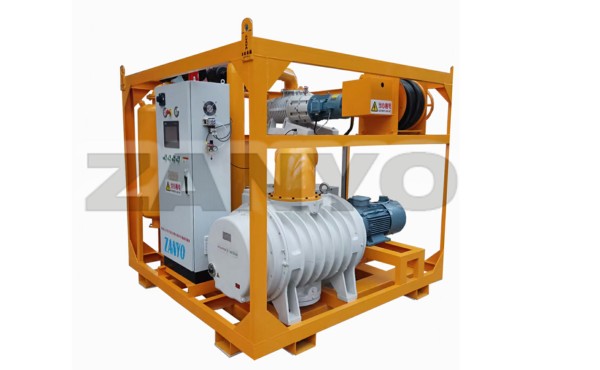
Regular maintenance keeps oil purification systems running smoothly. Operators should check oil levels, inspect seals, and clean filters often. Schedule filter changes based on usage and oil condition.
Keep the vacuum pump and heaters free from dust and debris. Inspect hoses and connections for leaks. Replace worn parts before they cause bigger problems.
System Monitoring and Operation
Monitoring helps catch issues early. Use built-in sensors to track temperature, pressure, and flow rates. Set alarms for abnormal readings.
A PLC system can automate many tasks. It adjusts settings to keep the process stable. Operators should review system logs and respond quickly to alerts.
| Parameter | What to Check |
|---|---|
| Temperature | Stay within safe range |
| Pressure | Watch for drops/spikes |
| Flow Rate | Ensure steady movement |
Choosing the Right Technology
Select a system that matches your oil type and equipment needs. Consider oil volume, contamination level, and required purity. Look for systems with easy-to-use controls and clear maintenance instructions.
Check if the system supports automation and remote monitoring. Choose equipment with reliable support and available spare parts. Review user feedback and technical specifications before making a decision.
Conclusion
Vacuum degassing and dehydration oil purification technology offers strong protection for equipment and extends oil life. Many industries use this process to keep machines running safely and efficiently. Regular oil purification lowers costs and reduces the risk of breakdowns.