Transformer oil testing plays a key role in maintaining safe and reliable operation of a transformer. This process helps engineers follow industry standards and meet compliance needs. Transformer oil protects equipment from overheating and electrical faults. Regular testing of transformer oil detects early signs of problems. Engineers who understand these standards can prevent costly failures and extend equipment life.
Want to keep your transformer oil clean and extend equipment life? Our Transformer Oil Purifier Machine efficiently removes moisture and impurities, ensuring stable oil quality. Inquiry Now!
Essential Transformer Oil Testing Standards
Transformer oil testing follows strict standards to ensure safe and reliable operation. These standards guide engineers in checking the quality and properties of transformer oil. They help prevent failures and keep transformers running smoothly.
IEC 60296 and IS 335 Overview
IEC 60296 and IS 335 set the main requirements for new and recycled transformer oil. IEC 60296 is an international standard, while IS 335 is used in some countries. Both focus on oil quality, purity, and performance. They list limits for acidity, viscosity, and strength. Meeting these standards helps protect the transformer from damage and extends its life.
ASTM D3487 and ASTM D-877
ASTM D3487 covers mineral insulating oil used in electrical equipment. It sets rules for physical and chemical properties, such as viscosity and dielectric strength. ASTM D-877 describes how to test the dielectric breakdown voltage of transformer oil. These ASTM standards ensure that transformer oil meets safety and reliability needs.
IEC 60814 for Moisture Analysis
IEC 60814 explains how to measure moisture in transformer oil. Moisture can lower the dielectric strength and cause faults. This standard helps engineers use proper testing methods to detect water in the oil. Keeping moisture low is key for transformer reliability.
IEC 60156 for Dielectric Breakdown
IEC 60156 describes how to test the dielectric breakdown voltage of insulating oil. This test checks the oil’s ability to resist electrical stress. High dielectric strength means the oil can protect the transformer from short circuits. Regular testing using this standard helps maintain safe operation.
ASTM D1500 for Oil Color
ASTM D1500 sets the method for measuring the color of transformer oil. Color changes can show aging or contamination. This standard helps engineers spot problems early. Clean oil with the right color means better performance and longer transformer life.
Key Transformer Oil Tests and Parameters
Transformer oil testing involves several important tests that help engineers monitor the condition of transformer oil and ensure the safe operation of transformers. These tests check the physical properties of transformer oil, chemical properties of transformer oil, and electrical properties of transformer oil. Each test provides valuable information about oil quality and transformer reliability.
Dielectric Breakdown Voltage (BDV)
Dielectric Breakdown Voltage, or BDV, is one of the most critical transformer oil tests. This test measures the maximum voltage that transformer oil can withstand before it fails and allows electricity to pass through. High BDV values show that the oil has strong insulating properties and can protect the transformer from electrical faults.
Engineers use BDV results to decide if the oil can continue to provide safe insulation. This test is essential for maintaining the electrical properties of transformer oil and preventing transformer failures.
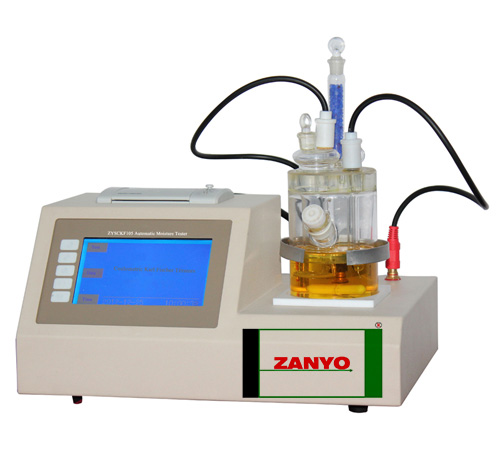
Moisture Content in Transformer Oil
Moisture is a major threat to transformer oil quality. Even small amounts of water can lower the strength of insulating oil and increase the risk of electrical breakdown. The moisture content test measures how much water is present in the oil.
- High moisture levels can cause corrosion, reduce dielectric strength, and lead to dangerous faults.
- Keeping moisture low is vital for transformer reliability and long service life.
Testing for moisture helps engineers take action before problems develop. Proper transformer oil analysis can reveal hidden moisture and guide maintenance decisions.
Acidity and Neutralization Number
Acidity in transformer oil increases as the oil ages or becomes contaminated. The acidity and neutralization number test checks for acids formed by oxidation or chemical reactions inside the transformer.
- High acidity can damage internal parts and speed up oil breakdown.
- This test measures the amount of acid in the oil, helping engineers track chemical properties of transformer oil.
If the neutralization number rises above safe limits, it may be time for transformer oil filtration or replacement. Monitoring acidity protects both the transformer and the oil.
Dissolved Gas Analysis (DGA)
Dissolved Gas Analysis, or DGA, is a powerful tool for transformer oil testing. This test detects gases that form when faults or overheating occur inside the transformer.
| Gas Detected | Possible Cause |
|---|---|
| Hydrogen | Partial discharge |
| Methane | Low-energy arcing |
| Ethylene/Ethane | Overheating |
| Acetylene | High-energy arcing |
DGA helps engineers find early signs of problems that cannot be seen during routine inspections. By analyzing the types and amounts of gases, engineers can predict failures and plan repairs before major damage happens.
Interfacial Tension and Color Test
Interfacial tension measures the force between transformer oil and water. Low interfacial tension often means the oil contains impurities or has started to degrade. This test gives clues about oil quality and the need for filtration.
The color test checks for changes in the appearance of transformer oil. Dark or cloudy oil may signal contamination, oxidation, or aging. ASTM D1500 provides a standard method for this test.
Both tests are simple but effective ways to monitor the physical properties of transformer oil and spot early warning signs.
Regular testing is crucial, but if the oil quality has already degraded, traditional methods may not fully restore it. Our Transformer Oil Purifier Machine quickly restores insulating properties, helping extend transformer life. Inquiry Now!
Best Practices for Transformer Oil Testing
Recommended Testing Intervals
Routine transformer oil testing helps maintain transformer reliability and safety. Most experts suggest testing new transformer oil before filling. In-service transformers need regular checks. Annual testing works for most units, but critical transformers may need more frequent analysis. Testing intervals depend on transformer age, load, and past results. Following a set schedule helps catch problems early and keeps oil quality high.
Proper Oil Sampling Procedures
Accurate sampling is the first step in reliable transformer oil analysis. Always use clean, dry glass or metal bottles. Avoid plastic containers, as they can affect oil properties. Take samples from the bottom valve when the transformer is online. This method gives a true picture of oil condition. Label each sample with the date, transformer ID, and location. Proper sampling prevents contamination and ensures valid test results.
Laboratory vs. On-site Transformer Oil Analysis
Engineers can choose between laboratory and on-site testing. Laboratory analysis offers precise results for properties like viscosity, acidity, and dielectric strength. On-site tests provide quick checks for BDV and moisture. Use laboratory testing for detailed analysis and compliance with standards. On-site testing works well for routine checks or emergencies. Combining both methods gives a complete view of transformer oil properties and condition.
Documentation and Record Keeping
Good records support transformer reliability and long service life. Keep detailed logs of all transformer oil tests, including test dates, results, and any filtration or maintenance actions. Use tables to track changes in properties such as dielectric strength and moisture over time.
| Test Date | BDV (kV) | Moisture (ppm) | Acidity (mg KOH/g) | Action Taken |
|---|---|---|---|---|
| 2023-01 | 65 | 10 | 0.02 | None |
| 2023-07 | 58 | 18 | 0.04 | Filtration |
Accurate documentation helps spot trends and plan timely transformer oil filtration or replacement. This practice ensures the transformer operates safely and efficiently.
Interpreting Transformer Oil Test Results
Acceptable Values and Limits
Engineers use standard limits to judge transformer oil test results. Each property has a recommended range. For example, BDV should often be above 60 kV for new insulating oil. Moisture content usually needs to stay below 20 ppm for safe operation. Acidity should not exceed 0.03 mg KOH/g. These values help decide if the oil quality is good or if action is needed. A table can help track these limits:
| Property | Acceptable Value |
|---|---|
| BDV (kV) | > 60 |
| Moisture (ppm) | < 20 |
| Acidity (mg KOH/g) | < 0.03 |
| Interfacial Tension (mN/m) | > 28 |
Common Causes of Abnormal Results
Abnormal results in transformer oil testing often point to problems inside the transformer. High moisture may come from leaks or poor sealing. Low dielectric strength can result from contamination or aging. Increased acidity signals oxidation or chemical breakdown. Changes in color or interfacial tension may show the presence of sludge or other impurities. These issues can lower the properties of the oil and threaten transformer reliability.
Actions for Out-of-Spec Transformer Oil
When transformer oil tests show values outside the safe range, engineers must act quickly. Common steps include:
- Perform transformer oil filtration to remove moisture and impurities.
- Replace the oil if filtration does not restore quality.
- Inspect the transformer for leaks or sources of contamination.
- Repeat testing after corrective actions to confirm improvement.
Prompt action helps protect the transformer and maintain safe operation.
Preventive and Remedial Measures
Regular analysis and testing keep transformer oil in good condition. Preventive steps include scheduled sampling, monitoring key properties, and using proper storage methods. Remedial measures involve filtration, drying, or complete oil replacement. These actions help maintain oil quality, extend transformer life, and ensure strong dielectric strength.
When oil properties exceed safe limits, choosing an efficient oil purification system is essential. Our Transformer Oil Purifier Machine performs fast filtration and moisture removal, restoring oil quality to standard levels. Inquiry Now!
Transformer Oil Testing Reference Table
Standards, Tests, and Acceptable Values
A reference table helps engineers quickly compare test results with standard limits. This table lists the main standards, the tests they require, and the acceptable values for transformer oil. Using this information supports safe operation and helps maintain high oil quality.
| Standard | Test | Acceptable Value | What It Checks |
|---|---|---|---|
| IEC 60156 | Dielectric Breakdown Voltage (BDV) | > 60 kV (new oil) | Electrical strength |
| IEC 60814 | Moisture Content | < 20 ppm | Water in oil |
| ASTM D1500 | Color | ≤ 1.0 (new oil) | Aging or contamination |
| IEC 60296 | Acidity (mg KOH/g) | < 0.03 | Chemical properties |
| ASTM D3487 | Interfacial Tension (mN/m) | > 28 | Oil properties and impurities |
| ASTM D-877 | BDV (alternate method) | > 30 kV | Electrical properties |
| IEC 60567 | Dissolved Gas Analysis (DGA) | See standard | Fault gases |
- Regular checks of transformer oil help spot changes in properties before they cause problems.
- Following these standards keeps the transformer safe and extends its service life.
- Engineers should use this table during every transformer oil analysis.
A clear reference table makes it easier to track oil quality and plan maintenance. Good records and regular testing protect both the transformer and the people who rely on its performance.
Conclusion
- Testing standards help engineers protect equipment and improve reliability.
- Regular analysis supports compliance and prevents costly failures.
- Staying informed about new protocols ensures safe operation.
Maintaining oil quality is key to long-term equipment reliability. Use our Transformer Oil Purifier Machine to make oil maintenance simple, fast, and effective. Inquiry Now!
FAQ
What is the recommended testing frequency for transformer oil?
Most transformers need oil tests once a year. Critical units may require more frequent checks. Testing frequency depends on transformer age, load, and past results. Regular testing helps maintain operational reliability and prevents unexpected failures.
Why is oil moisture content important in transformer oil?
Water in transformer oil lowers its insulating strength. High oil moisture content can cause electrical faults and damage. Engineers monitor moisture levels to keep transformers safe and extend their service life.
How does dissolved gas analysis help in transformer maintenance?
Dissolved gas analysis detects gases formed during faults or overheating. This test reveals hidden problems inside the transformer. Engineers use DGA results to plan repairs and prevent major failures.
What should engineers do if test results fall outside standard limits?
Engineers should filter or replace the oil. They must inspect the transformer for leaks or contamination. Retesting confirms if corrective actions restored oil quality.
Which tests are most critical for operational reliability?
BDV, moisture, acidity, and DGA are key tests. These tests show if the oil can protect the transformer. Regular analysis ensures operational reliability and prevents costly breakdowns.