Transformer oil contamination poses a serious risk to transformer reliability. Common causes include moisture ingress, particulate contamination, oxidation, aging insulation, and overheating. Environmental factors, such as leaks and exposure to external contaminants, also play a role.
Quick solutions help reduce damage and extend equipment life. Early detection and routine maintenance are key to preventing costly failures.
Main Causes of Transformer Oil Contamination
Moisture Ingress
Moisture is one of the most common causes of transformer oil contamination. Water can enter the transformer through faulty seals, breathing holes, or condensation. When moisture mixes with oil, it reduces the insulating properties and increases the risk of electrical breakdown.
Common Signs:
- Decreased dielectric strength
- Presence of bubbles or cloudiness in oil
- Increased acidity levels
Immediate Action Steps:
- Test oil for moisture content using a portable moisture meter.
- Dry the oil with vacuum dehydration or molecular sieve filters.
- Inspect and repair seals and gaskets to prevent further ingress.
Particulate Contamination
Solid particles such as dust, metal shavings, or fibers can enter the oil during maintenance or through worn components. These particles act as conductive bridges, leading to short circuits and insulation failure.
Common Signs:
- Oil appears dirty or opaque
- Increased levels of suspended solids in oil analysis
- Unusual noises during operation
Immediate Action Steps:
- Filter the oil using high-efficiency filtration systems.
- Clean the transformer tank and internal parts during scheduled maintenance.
- Replace damaged components that shed particles.
| Cause | Common Signs | Quick Fixes |
|---|---|---|
| Particulates | Dirty oil, noise | Filtration, cleaning |
Oxidation and Sludge
Oxidation occurs when oxygen reacts with transformer oil, forming acids and sludge. This process accelerates with high temperatures and exposure to air. Sludge settles at the bottom, blocking cooling channels and reducing efficiency.
Common Signs:
- Oil turns dark or smells burnt
- Sludge deposits found during inspection
- Reduced cooling performance
Immediate Action Steps:
- Remove sludge by draining and cleaning the transformer.
- Replace or regenerate oil if oxidation is severe.
- Install airtight breathers to limit oxygen exposure.
Aging Insulation Materials
Insulation materials inside the transformer, such as paper or pressboard, degrade over time. As they age, they release fibers and chemicals into the oil, which lowers its quality and increases contamination.
Common Signs:
- Oil analysis shows increased cellulose content
- Physical breakdown of insulation observed
- Higher levels of dissolved gases
Immediate Action Steps:
- Test insulation condition during routine maintenance.
- Replace aging insulation materials as needed.
- Monitor dissolved gas levels to detect early degradation.
Overheating and Thermal Degradation
Excessive heat is another major cause of transformer oil contamination. Overheating breaks down oil molecules, producing gases and acidic compounds. This process weakens insulation and can trigger transformer failures.
Common Signs:
- Oil temperature rises above normal limits
- Increased dissolved gas levels in oil
- Burnt smell or discoloration
Immediate Action Steps:
- Check and calibrate temperature sensors regularly.
- Improve cooling systems to maintain safe operating temperatures.
- Remove and replace oil that shows signs of thermal degradation.
Learn More About When Transformer Oil Filtration is Needed Please Visit: https://www.zyoilpurifier.com/how-to-identify-when-transformer-oil-filtration-is-needed/
Transformer Oil Leakage and External Contaminants
Causes of Transformer Oil Leakage
Transformer oil leakage often results from poor sealing, aging gaskets, or physical damage to the tank. Pressure changes inside the transformer can also cause leakage. Sometimes, vibration or improper installation leads to cracks or loose fittings. Environmental factors, such as temperature fluctuations, may weaken seals and increase leakage risk.
Common Causes:
- Worn or damaged gaskets
- Loose bolts or fittings
- Cracked tank walls
- Improper installation
- Temperature changes
Signs of Oil Leakage
Detecting transformer oil leakage early is crucial. Visible oil stains or puddles near the base of the transformer signal leakage. A drop in oil level on the gauge also indicates leakage. Sometimes, you may notice a strong oil smell or see wet spots on insulation materials. Leak detection systems help identify hidden leaks before they cause major problems.
Signs to Watch For:
- Oil stains or puddles around the transformer
- Decreased oil level on gauges
- Wet insulation or strong oil odor
- Alarms from leak detection systems
| Sign | What It Means |
|---|---|
| Oil stains | External leakage |
| Low oil level | Internal or external leakage |
| Wet insulation | Possible contamination |
Quick Solutions for Oil Leakage
Addressing transformer oil leakage quickly prevents further contamination. Inspect seals and gaskets for wear or damage. Tighten bolts and fittings to stop leakage. Replace faulty gaskets or repair cracks in the tank. Clean up spilled oil to avoid attracting dust and moisture. Use leak detection systems for ongoing monitoring.
Practical Tips:
- Inspect and replace damaged seals regularly
- Tighten all fittings and bolts
- Repair cracks in tank walls promptly
- Clean up oil spills immediately
- Install leak detection systems for early warning
Dissolved Gases and Chemical Contamination
Causes of Dissolved Gases
Dissolved gases form inside transformer oil during normal operation. Electrical faults, overheating, and insulation breakdown can produce gases such as hydrogen, methane, ethylene, and carbon monoxide. These gases dissolve in the oil and signal problems within the transformer. Arcing and partial discharge events also increase gas levels. High concentrations of dissolved gases indicate transformer oil contamination and may lead to equipment failure.
Common Causes:
- Electrical faults (arcing, corona)
- Overheating of oil or insulation
- Aging insulation materials
- Partial discharge events
Chemical Contaminants in Oil
Chemical contaminants enter transformer oil from various sources. They may come from degraded insulation, external pollution, or improper maintenance. Acids, alcohols, and other chemicals reduce oil quality and affect transformer performance. Chemical contamination can cause corrosion, sludge formation, and loss of dielectric strength.
Types of Chemical Contaminants:
- Acids from oxidation
- Alcohols from insulation breakdown
- External pollutants (dust, cleaning agents)
- Byproducts from thermal degradation
| Contaminant Type | Source | Effect on Oil |
|---|---|---|
| Acids | Oxidation | Lowers dielectric strength |
| Alcohols | Insulation breakdown | Increases oil acidity |
| Pollutants | External environment | Causes sludge, corrosion |
Solutions for Gas and Chemical Issues
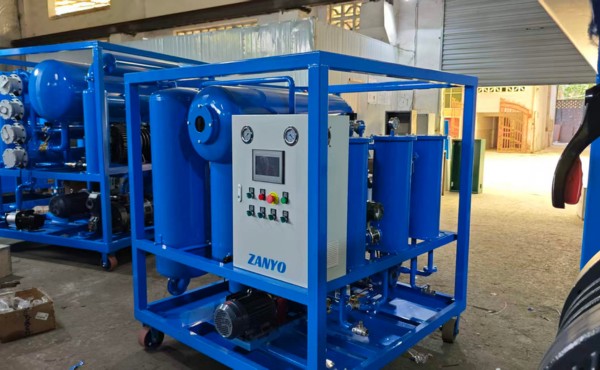
Quick action reduces the impact of dissolved gases and chemical contamination. Perform DGA to monitor gas levels. Remove contaminated oil and replace it with clean oil. Use oil purification systems to filter out gases and chemicals. Inspect insulation and replace damaged materials. Maintain proper sealing to prevent external contamination.
Immediate Solutions:
- Conduct DGA regularly 🧪
- Purify or replace contaminated oil
- Inspect and repair insulation
- Improve sealing and maintenance practices
Quick Solutions and Preventive Tips
Routine Maintenance Solutions
Routine transformer maintenance is the foundation of prevention. It helps stop transformer oil contamination before it becomes a serious problem. Schedule regular maintenance checks to inspect seals, gaskets, and fittings. Clean the transformer tank and replace oil filters as needed. Remove sludge and test the oil for moisture and acidity. These steps keep the transformer running smoothly and reduce the risk of contamination.
Key Actions for Routine Maintenance:
- Inspect and clean all accessible parts
- Replace worn gaskets and seals
- Test oil for moisture, acidity, and particles
- Remove sludge and replace filters
Monitoring and Early Detection
Early detection is critical for transformer health. Use oil testing and dissolved gas analysis to spot problems before they cause damage. Install sensors to monitor temperature, oil level, and humidity. Set up alarms for abnormal readings. Review test results after each inspection. Quick detection allows for fast solutions and prevents costly repairs.
| Monitoring Tool | What It Detects |
|---|---|
| Moisture Meter | Water in oil |
| DGA (Dissolved Gas Analysis) | Fault gases in oil |
| Temperature Sensor | Overheating |
| Oil Level Gauge | Leaks or low oil |
Proper Storage and Handling
Proper storage and handling of transformer oil prevent contamination from the start. Store oil in clean, sealed containers away from moisture and dust. Use dedicated tools and hoses for oil transfer. Avoid exposing oil to air for long periods. Train staff on safe handling practices. These steps support preventive maintenance and keep oil quality high.
- Store oil in dry, cool places
- Use clean containers and tools
- Limit oil exposure to air
- Train staff on proper procedures
FAQ
What is transformer oil contamination?
Transformer oil contamination happens when unwanted substances like water, dirt, or chemicals mix with the oil. This reduces the oil’s ability to insulate and cool the transformer. Contaminated oil can cause equipment to fail or break down.
How often should transformer oil be tested?
Experts recommend testing transformer oil at least once a year. More frequent testing may be needed if the transformer operates in harsh environments or shows signs of problems. Regular testing helps catch contamination early.
Can contaminated transformer oil be cleaned or must it be replaced?
Contaminated oil can often be cleaned using filtration or purification systems. If the oil is badly degraded or contains too many harmful substances, replacement may be necessary. Testing helps decide the best action.
What are the most common signs of transformer oil contamination?
Common signs include cloudy or dark oil, a burnt smell, sludge buildup, and unusual noises from the transformer. Drops in oil level or overheating alarms may also signal contamination.
Why is early detection of transformer oil contamination important?
Early detection prevents serious damage. It allows quick fixes before contamination leads to insulation failure, overheating, or costly transformer breakdowns. Regular monitoring keeps transformers safe and reliable.
[/fusion_text][/fusion_builder_column][/fusion_builder_row][/fusion_builder_container]