Choosing the right transformer oil purifier starts with understanding the needs of your transformer and the condition of your transformer oil. Transformer oil plays a key role in protecting transformer systems from moisture, gas, and contaminants. A complete guide helps match the purifier to the type of contamination found in transformer oil and ensures the transformer operates safely and efficiently.
Why Transformer Oil Purification Matters
Impact of Contaminants
Contaminants in transformer oil can cause many problems. Water, gas, and particles lower the dielectric strength of the oil. This can lead to overheating, electrical faults, and reduced transformer life.
Oil treatment removes these harmful substances. Transformer oil purification machines help restore the oil’s dielectric properties. Clean oil protects the transformer and keeps it working efficiently.
A table below shows common contaminants and their effects:
| Contaminant | Effect on Transformer Oil | Impact on Transformer |
|---|---|---|
| Water | Lowers dielectric strength | Causes insulation failure |
| Gas | Reduces dielectric properties | Leads to arcing and faults |
| Particles | Blocks oil flow | Damages dielectric parts |
Benefits of Purification
Transformer oil purification offers several benefits. Oil treatment extends the life of the transformer and improves reliability. The process keeps the dielectric properties strong and prevents costly repairs.
The benefits of using a transformer oil purifier include better performance and longer service life. Oil purification equipment ensures that transformer oil stays clean and effective. Transformer oil purification is a key step in maintaining the health of the transformer and its dielectric system.
Oil treatment also supports safe operation. Clean oil means fewer risks and more stable transformer performance. Transformer oil purification machines are essential for every transformer that relies on dielectric oil.
Types of Transformer Oil Purifier Machines
Vacuum Oil Purifiers
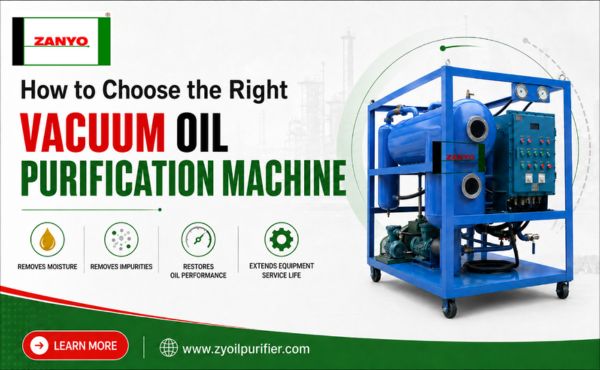
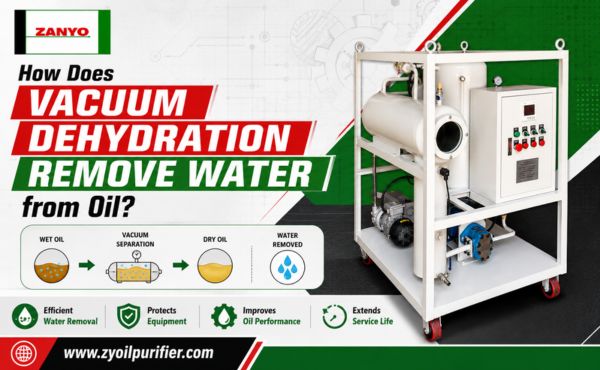
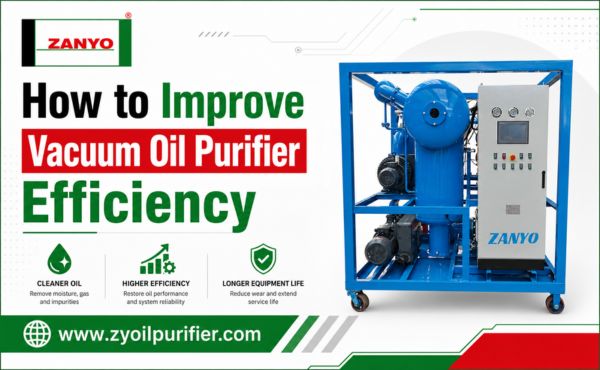
Vacuum oil purifiers are the most common transformer oil purifier machines. These machines use vacuum technology to remove water, gas, and particles from transformer oil. Vacuum transformer oil purifier systems are ideal for high-voltage transformers and critical transformer oil filtration tasks.
Vacuum transformer oil purifier machines work by creating a low-pressure environment. This process helps separate moisture and dissolved gases from transformer oil. Many transformer oil filter systems use vacuum methods to improve oil quality and extend transformer life.
Vacuum transformer oil filtration machines are suitable for both new and used transformer oil. They can handle large volumes and provide efficient transformer oil filtration. Transformer oil filter machines with vacuum technology are often used in transformer oil filtration plants.
Single-Stage vs. Double-Stage
Single-stage vacuum transformer oil purifier machines use one vacuum chamber. These machines remove basic contaminants from transformer oil. They are best for routine transformer oil filtration and maintenance.
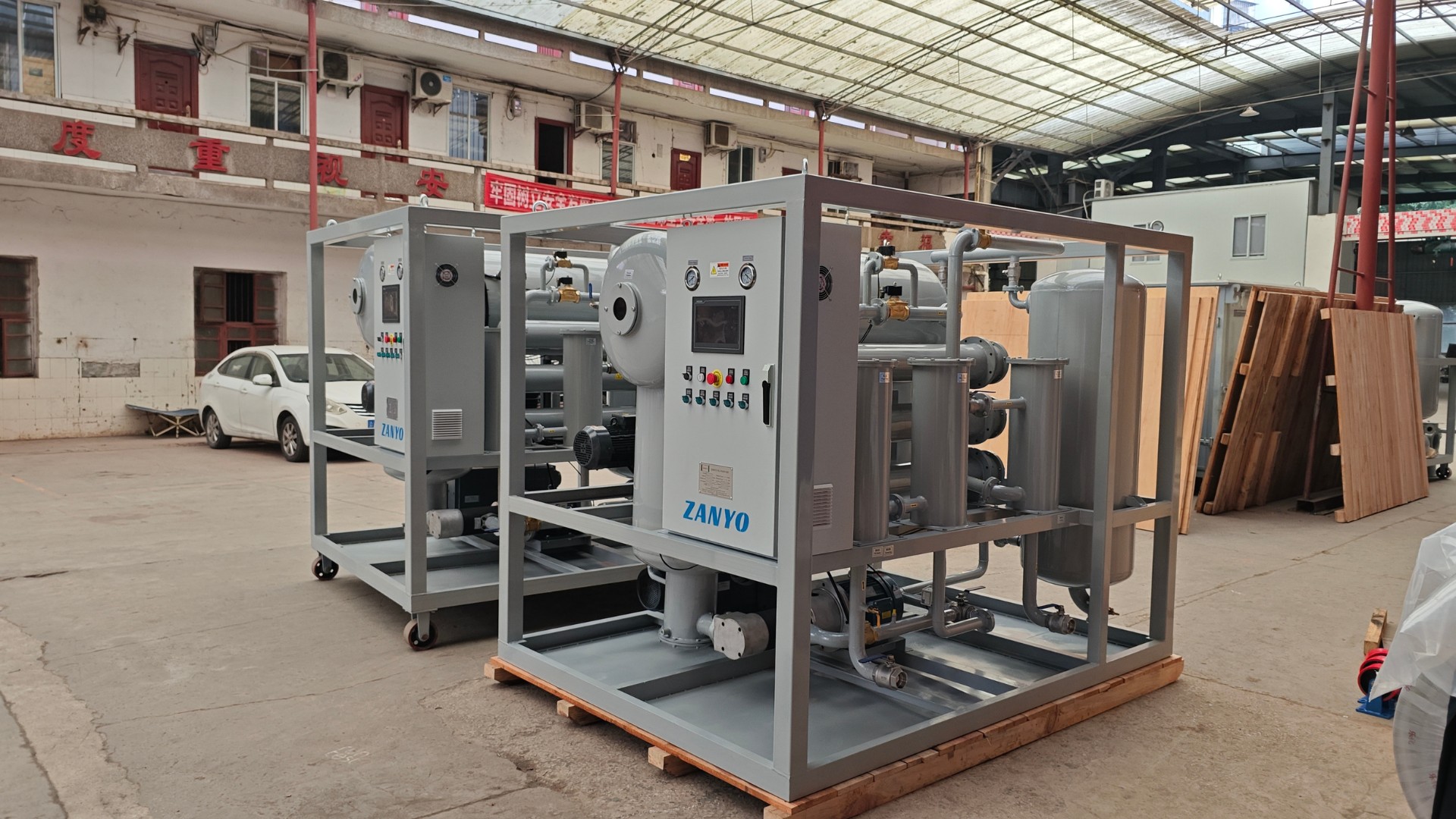
Double-stage vacuum transformer oil purifier machines have two vacuum chambers. This design allows for deeper transformer oil filtration and better removal of water and gas. Double-stage systems are used for transformers with severe contamination or when transformer oil filtration plant needs are high.
A comparison table shows the differences:
| Type | Chambers | Main Use | Filtration Depth |
|---|---|---|---|
| Single-Stage | 1 | Routine maintenance | Moderate |
| Double-Stage | 2 | Severe contamination | High |
Centrifugal Oil Purifiers
Centrifugal oil purifiers use spinning force to separate contaminants from transformer oil. These machines are effective for removing particles and some water. Centrifugal transformer oil filtration machines are often used in transformer oil filter systems where quick cleaning is needed.
Transformer oil filtering machines with centrifugal action work well for medium-sized transformers. They are less effective for dissolved gases but provide fast transformer oil filtration. Centrifugal transformer oil filter machines are easy to operate and maintain.
Thermal Oil Purifiers
Thermal oil purifiers use heat to treat transformer oil. These machines raise the temperature of transformer oil to evaporate water and separate impurities. Thermal transformer oil filtration machines are suitable for transformer oil filter systems that need to remove moisture quickly.
Transformer oil filtration machines with thermal technology are used in transformer oil filtration plants for batch processing. They are best for transformer oil filter applications where water is the main contaminant. Thermal transformer oil filtering machines are simple and reliable.
Technical Specifications and Performance
Capacity and Speed
Capacity and speed are important specifications for any transformer oil purification system. Capacity refers to how much transformer oil the machine can process at one time. Speed measures how quickly the transformer oil filter completes the purification cycle.
Operators must check the specifications for capacity before selecting a machine. Large transformers need purifiers with higher capacity to handle bigger volumes of transformer oil. Smaller units suit transformers with less oil.
Speed affects maintenance schedules and downtime. Faster transformer oil filter systems reduce the time needed for oil treatment. A table below shows typical capacity and speed specifications:
| Specification | Typical Value | Importance |
|---|---|---|
| Capacity | 500-10,000 liters/hour | Matches transformer size |
| Speed | 1-3 hours per cycle | Reduces downtime |
Operating Temperature and Pressure
Operating temperature and pressure are key specifications for transformer oil purification. The machine must heat transformer oil to the right temperature for effective treatment. Most transformer oil filter systems operate between 50°C and 80°C.
Pressure specifications help remove gas and moisture from transformer oil. Vacuum pressure is often used in transformer oil filter machines. Operators must check the specifications for safe temperature and pressure ranges.
Incorrect temperature or pressure can damage transformer oil or the transformer. Always follow the specifications provided by the manufacturer. A list of common operating specifications:
- Temperature range: 50°C to 80°C
- Vacuum pressure: 0.05 to 0.1 mbar
- Maximum working pressure: 0.3 MPa
Residual Gas and Moisture
Residual gas and moisture are critical specifications for transformer oil quality. After purification, transformer oil should have very low levels of gas and water. These specifications help prevent electrical faults and insulation breakdown in transformers.
Transformer oil filter systems must meet strict specifications for residual gas and moisture. The best machines achieve less than 0.5% water content and minimal dissolved gas. Operators should test transformer oil after treatment to confirm specifications.
A table summarizes typical residual specifications:
| Specification | Target Value | Effect on Transformer |
|---|---|---|
| Residual moisture | < 0.5% | Prevents insulation failure |
| Residual gas | < 0.1% | Reduces arcing risk |
Meeting the right specifications for capacity, speed, temperature, pressure, and residuals ensures safe and efficient transformer oil purification. Operators should review all specifications before choosing a transformer oil filter system.
Power and Energy Use
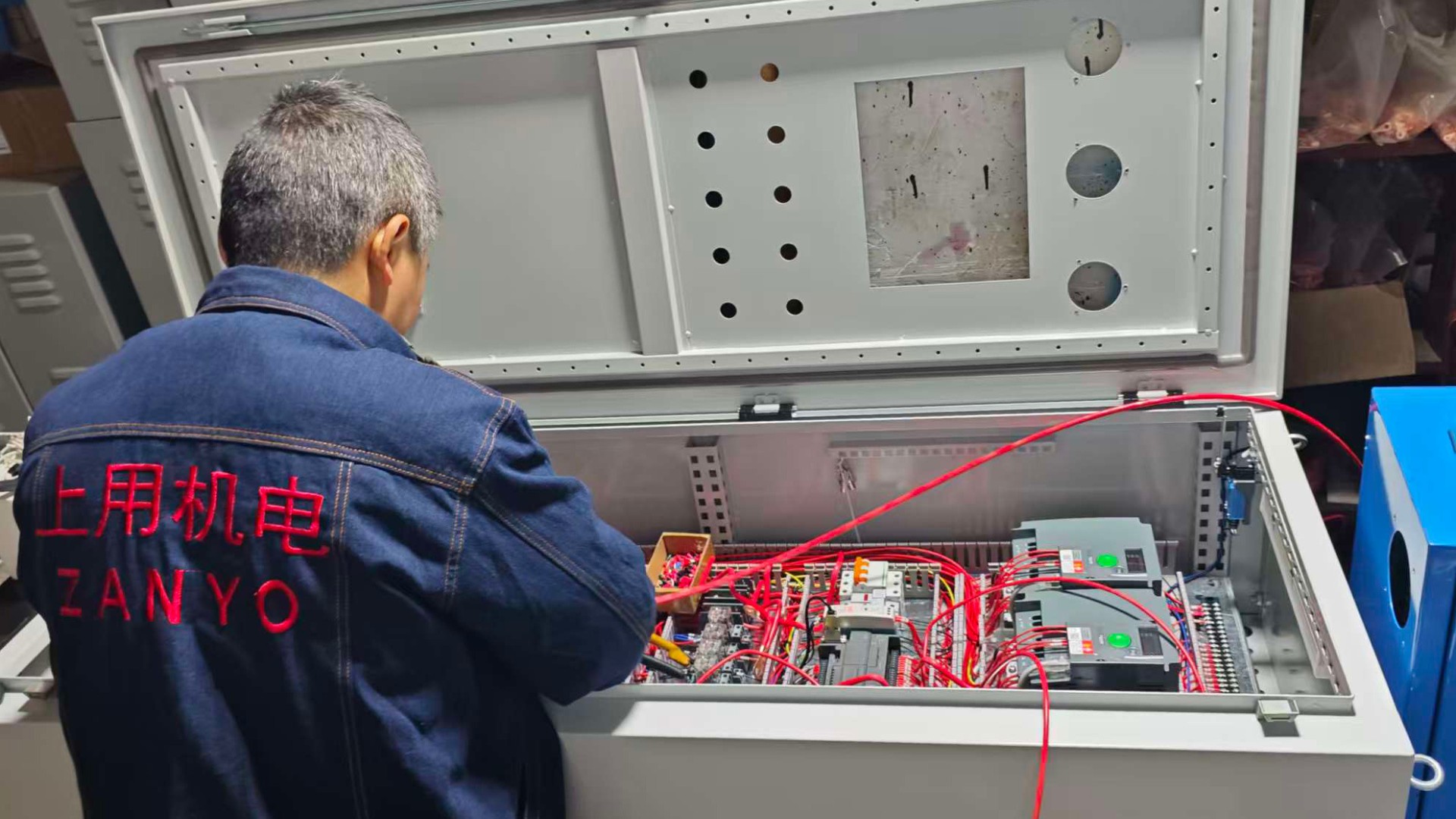
Transformer oil purification machines require electrical power to operate pumps, heaters, and control systems. The amount of energy used depends on the machine’s capacity, the purification process, and the transformer oil filter system design. Energy-efficient machines help reduce operating costs and support environmental goals.
Operators should check the power rating before selecting a purifier. Most machines list their power consumption in kilowatts (kW). Lower power ratings mean less energy use and lower electricity bills.
Some transformer oil filter systems use advanced technology to save energy. Automatic controls can adjust power usage based on oil volume and contamination level. Energy-saving features are important for large facilities with multiple transformers.
A table below shows typical power and energy specifications:
| Specification | Typical Value | Importance |
|---|---|---|
| Power Consumption | 5-30 kW | Matches facility needs |
| Energy Efficiency | High/Medium/Low | Reduces costs |
Noise and Emissions
Noise and emissions are important factors when evaluating transformer oil purification machines. Noise levels depend on the type of pump, motor, and filtration system used. Quiet machines help maintain a safe and comfortable work environment.
Operators should check the noise rating, usually measured in decibels (dB). Machines with lower noise ratings are better for indoor use and populated areas. Some systems include soundproofing to reduce noise during operation.
Emissions refer to any gases or particles released during oil purification. Most modern machines use closed systems to prevent harmful emissions. Environmental regulations require low emissions for transformer oil filter systems.
A list of best practices for noise and emissions:
- Select machines with low noise ratings for indoor use.
- Use closed systems to minimize emissions.
- Follow local environmental guidelines for safe operation.
Evaluating Transformer Oil Purifier Suppliers
Reputation and Experience
Supplier reputation plays a major role in selecting a transformer oil purifier. A supplier with a strong track record often delivers reliable products and services. Years of experience in the transformer industry show that the supplier understands the needs of transformer maintenance.
Experienced suppliers usually have a history of successful projects. They can provide references from previous transformer installations. Reputation also reflects how well the supplier handles challenges and supports customers.
A supplier with a good reputation is more likely to offer quality transformer oil purification machines. Look for suppliers who have served many transformer operators. Consistent performance builds trust and confidence in their products.
Standards and Compliance
Standards and compliance ensure that transformer oil purifiers meet industry requirements. Suppliers must follow national and international standards for transformer oil purification. Compliance shows that the machines are safe and effective for transformer applications.
Common standards include electrical safety, environmental protection, and quality management. Suppliers should provide certificates that prove their transformer oil purifiers meet these standards. A table below lists important standards:
| Standard Type | Purpose |
|---|---|
| Electrical Safety | Protects transformer systems |
| Environmental | Reduces pollution risks |
| Quality Management | Ensures consistent performance |
Compliance with standards helps prevent transformer failures. It also supports safe operation and long-term reliability. Always ask suppliers for documentation before making a decision.
Customer Feedback
Customer feedback gives valuable insight into supplier performance. Reviews and testimonials show how well the supplier supports transformer operators. Positive feedback often means the supplier delivers quality transformer oil purifiers.
Look for feedback about product reliability, after-sales service, and technical support. Customers may share their experiences with transformer maintenance and machine operation. Feedback helps identify suppliers who respond quickly to problems.
Suppliers with strong customer feedback are more likely to meet transformer needs. Check online forums, industry groups, and supplier websites for reviews. Use feedback to compare suppliers and make an informed choice.
Customization and Support
Customization allows transformer oil purifier suppliers to meet unique operational needs. Some transformers require special oil treatment processes or specific machine configurations. Suppliers who offer customization can adapt their products to fit these requirements.
A supplier may provide options for adjusting flow rate, filtration precision, or automation features. Custom solutions help operators address unusual contamination levels or site constraints. Flexible design ensures the purifier matches the transformer’s voltage class and oil volume.
Support services play a vital role in the long-term performance of transformer oil purifiers. Technical support helps operators solve problems quickly and maintain oil quality. Suppliers often provide training, installation assistance, and troubleshooting guides.
Many suppliers offer remote monitoring and software updates for advanced purifiers. These features allow operators to track machine performance and receive alerts for maintenance needs. Remote support can resolve issues without requiring on-site visits.
Practical Steps for Selecting a Transformer Oil Purifier
Assessing Oil Condition and Contaminants
The first step in transformer oil selection involves checking the oil’s quality. Operators use laboratory tests to measure moisture, gas, and particle levels in transformer oil. These tests help identify the main contaminants and guide the selection process.
Different transformers require different oil purity standards. High-voltage transformers need transformer oil with low moisture and gas content. Operators must record test results and compare them to industry standards for transformer oil selection.
Contaminant type affects how to choose the right transformer oil purifier. Water, gas, and particles each demand specific purification methods. The selection process starts with understanding which contaminants are present in transformer oil.
Determining Oil Volume and Flow Rate
The next step in selecting transformer oil is measuring the total oil volume in the transformer. Operators check the transformer’s specifications to find the oil capacity. Knowing the oil volume helps determine the size and throughput needed for transformer oil purification.
Flow rate is another key factor in transformer oil selection. It shows how quickly the transformer oil purifier can process oil. Operators match the purifier’s flow rate to the transformer’s oil volume for efficient transformer oil selection.
A table below shows how oil volume and flow rate affect selection:
| Oil Volume (Liters) | Recommended Flow Rate (L/h) | Selection Impact |
|---|---|---|
| 500-2000 | 500-1000 | Small transformer oil selection |
| 2000-5000 | 1000-3000 | Medium transformer oil selection |
| 5000+ | 3000+ | Large transformer oil selection |
Selecting transformer oil purification equipment with the right capacity prevents delays and ensures proper transformer oil selection. Operators must balance oil volume and flow rate for optimal selection.
Comparing Models and Brands
After assessing oil condition and determining oil volume, operators compare different transformer oil purifier models. Each model offers unique features for transformer oil selection. Operators review technical specifications, filtration precision, and automation options.
Brand reputation matters in transformer oil selection. Operators look for models with proven reliability and strong support. Comparing models helps identify the best fit for transformer oil selection and transformer maintenance.
A comparison table helps organize the selection process:
| Model Feature | Importance for Selection | Typical Options |
|---|---|---|
| Filtration Precision | High for transformer oil selection | Fine, medium, coarse |
| Automation | Simplifies transformer oil selection | Manual, semi-auto, auto |
| Throughput | Matches transformer oil selection needs | Low, medium, high |
Operators use reviews and technical data to guide transformer oil selection. Comparing models ensures the selection process meets transformer oil requirements and supports safe transformer operation.
Requesting Proposals and Testing
Operators should contact several suppliers to request detailed proposals. Each proposal must include technical specifications, pricing, warranty terms, and service options. Suppliers often provide brochures and datasheets that describe the purifier’s features.
A proposal should list the machine’s capacity, filtration precision, and automation level. Operators need to compare these details with their transformer requirements. Suppliers may also include information about spare parts and maintenance schedules.
Testing is a critical step before making a final decision. Suppliers can arrange demonstrations at their facility or on-site. Operators should observe the purifier’s performance and check if it meets oil quality standards.
Installation and Best Practices for Transformer Oil Purifiers
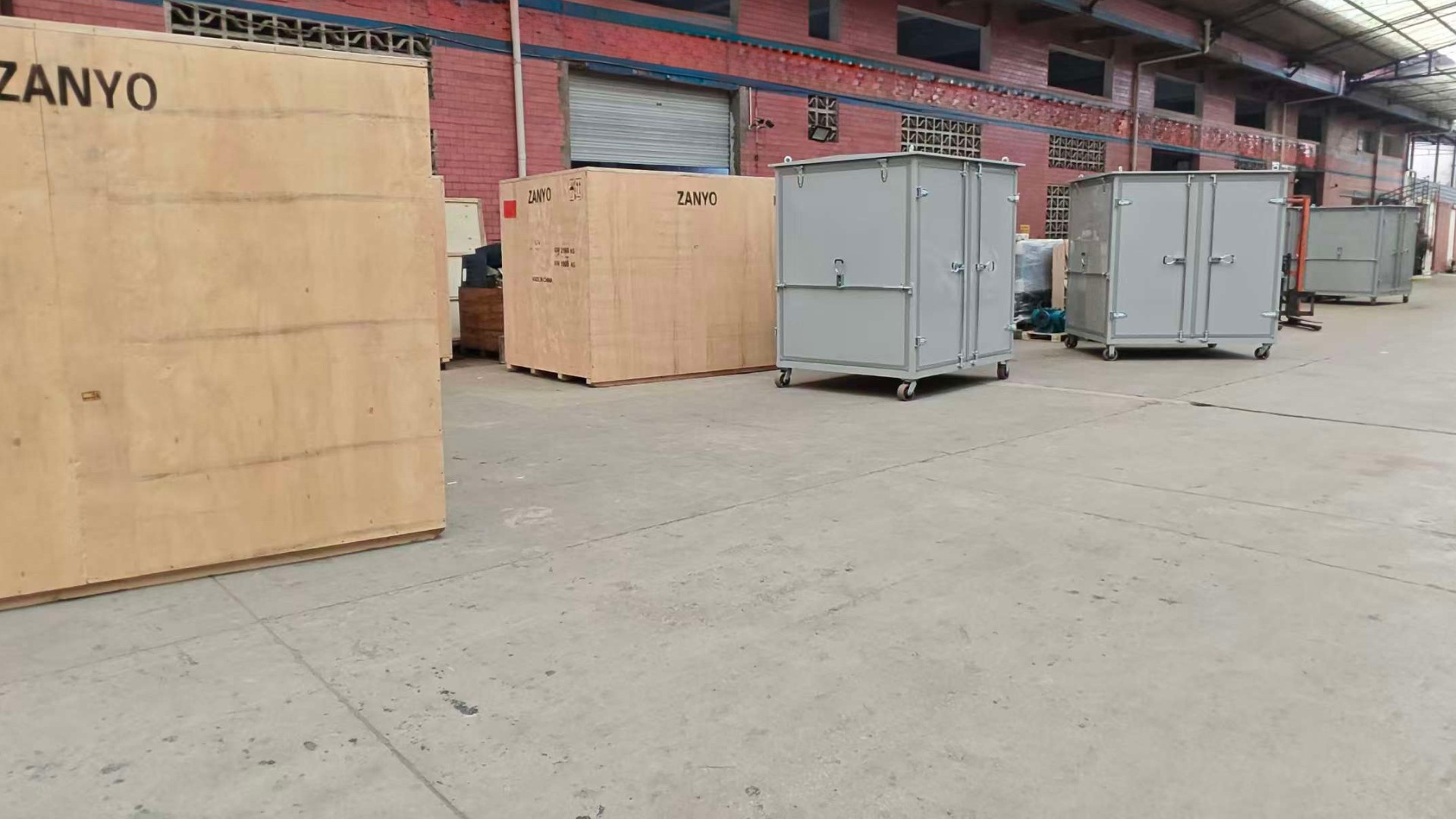
Site Preparation
Proper site preparation ensures safe and efficient operation of transformer oil purifiers. The area should be clean, dry, and free from dust or debris. Good ventilation helps remove heat and fumes during oil purification.
Operators must check that the floor can support the weight of the purifier. The site should have enough space for movement and maintenance. Access to electrical power and grounding points is necessary for safe operation.
A checklist for site preparation:
- Level and stable floor
- Adequate ventilation
- Sufficient lighting
- Access to power supply
- Proper drainage
Setup and Commissioning
Setup begins with moving the purifier to the prepared site. Operators should inspect the machine for any shipping damage. All connections must be tight and secure before starting.
Next, connect the inlet and outlet hoses to the transformer and oil tank. Check that all valves are in the correct position. Fill the purifier with a small amount of oil to test for leaks.
Commissioning involves running the machine without load to check its functions. Monitor gauges and controls for normal readings. Record initial data for future reference.
A table for setup steps:
| Step | Action |
|---|---|
| Positioning | Place on level surface |
| Connection | Attach hoses and cables |
| Leak Test | Fill and inspect for leaks |
| Trial Run | Start and monitor machine |
Routine Operation
Routine operation keeps the purifier working efficiently. Operators should start by checking oil levels and filter conditions. Set the correct temperature and vacuum level before beginning purification.
Monitor the machine during operation. Watch for unusual noises, vibrations, or warning lights. Record operating data in a logbook for tracking performance.
A simple routine operation list:
- Inspect filters and oil levels
- Set operating parameters
- Monitor gauges and alarms
- Record data after each cycle
Preventive Maintenance
Preventive maintenance keeps transformer oil purifiers running smoothly. Regular checks help avoid sudden breakdowns and costly repairs. Operators should follow a maintenance schedule based on the manufacturer’s guidelines.
A good preventive maintenance plan includes several key tasks:
- Inspect and clean or replace filters every month.
- Check the vacuum pump for leaks or unusual noises.
- Test the heating element to ensure it reaches the correct temperature.
- Examine hoses and seals for cracks or wear.
- Lubricate moving parts as recommended.
Operators should also monitor oil quality before and after purification. Testing oil samples can show if the purifier is working well. If oil quality does not improve, the machine may need extra attention.
A simple table for preventive maintenance tasks:
| Task | Frequency | Purpose |
|---|---|---|
| Filter cleaning/replacement | Monthly | Keeps oil clean |
| Vacuum pump inspection | Monthly | Ensures proper operation |
| Heating element test | Quarterly | Maintains correct temperature |
| Hose and seal check | Quarterly | Prevents leaks |
| Lubrication | As needed | Reduces wear |
Operators should always use the correct spare parts. Using the wrong parts can damage the purifier or reduce its efficiency. Keep spare filters, seals, and oil on hand for quick replacements.
Troubleshooting
Troubleshooting helps solve problems quickly when the purifier does not work as expected. Operators should watch for warning signs like strange noises, leaks, or error messages. Quick action can prevent bigger issues.
Common problems and solutions include:
- Low vacuum level: Check for leaks in hoses or seals. Tighten connections or replace damaged parts.
- Poor oil quality after purification: Inspect filters for clogs. Replace dirty filters and check the heating element.
- Unusual noises from the pump: Lubricate moving parts or replace worn components.
- Machine will not start: Verify the power supply and check all switches.
A troubleshooting table can guide operators:
| Problem | Possible Cause | Solution |
|---|---|---|
| Low vacuum | Leaks, loose hoses | Inspect and repair |
| Poor oil quality | Dirty filters | Clean or replace filters |
| Noisy operation | Lack of lubrication | Lubricate parts |
| Machine not starting | Power issue | Check power and switches |
Operators should always follow safety rules during troubleshooting. Turn off the machine before opening any panels. Wear protective gear to avoid injury.
Regular preventive maintenance and fast troubleshooting keep transformer oil purifiers reliable. These steps help ensure safe and efficient transformer operation.