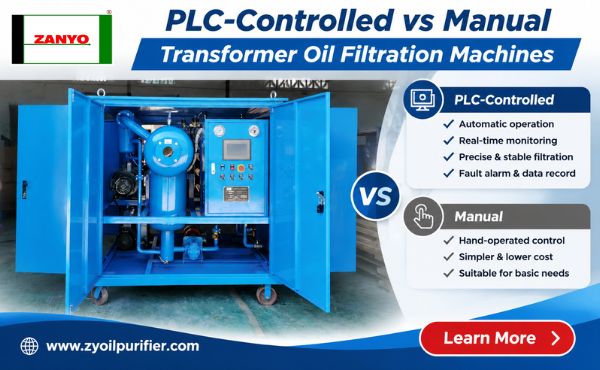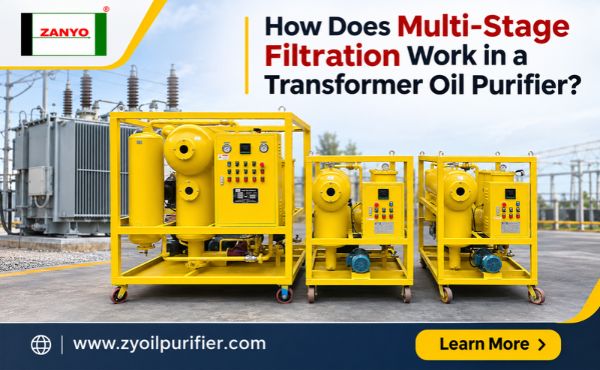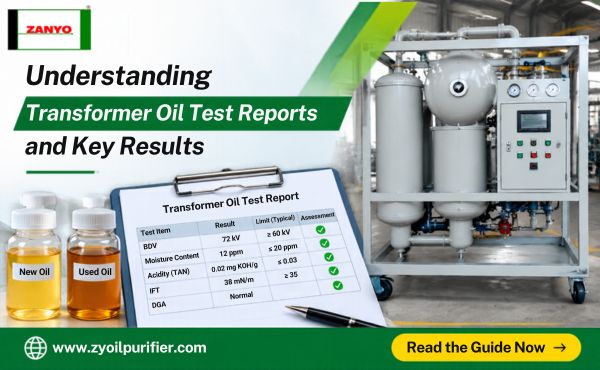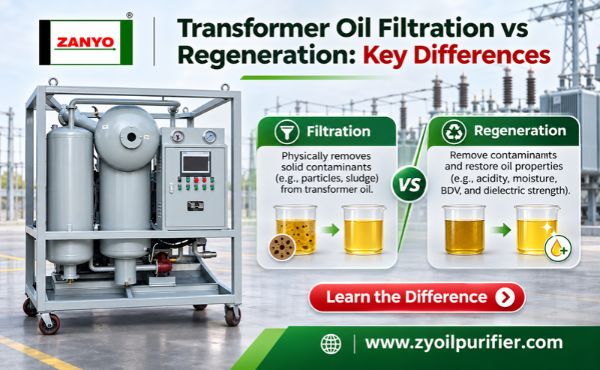
PLC-controlled vs manual machines serve different operational needs. Automated units fit large-scale, critical, or lightly staffed sites that demand precision. Manual units fit smaller operations, tight budgets, or sites with limited technical support.
Four factors shape the right choice for a Transformatoröl-Filtrationsmaschine: technical performance, application fit, regulatory compliance, and cost. This comparison weighs both types across those dimensions.
Performance matters first. A PLC-driven oil filtration machine controls heaters, motors, and vacuum stages through a touch screen. A manual unit depends on operator skill at every step. Application fit follows. Large transformers and high oil volumes reward automation. Remote sites often favor simplicity.
Compliance and cost complete the picture. Documentation needs and safety interlocks influence selection. Upfront price and operating expenses decide the budget. Transformer oil filtration machines must remove water, gases, and particles either way. Both designs achieve clean oil filtration.
PLC-Controlled vs Manual: Performance
Performance is the first of four dimensions in this plc-controlled vs manual comparison. Both designs can deliver clean, dry oil. The difference lies in how much of the work the control system handles and how much rests with the operator. Each approach has genuine strengths, and the better fit depends on the site.
Automatisierung und Präzision
An automatic unit typically uses a programmable logic controller paired with a touch-screen interface. The operator sets the control switch to “Automatic” and presses “Start.” From that point, the PLC orderly controls motors, heaters, and other components through the programmed sequence. Vacuum stages, temperature steps, and valve movements follow a fixed routine. This repeatable sequence supports consistent oil quality across runs, even when different operators take shifts. Precision comes from the controller executing the same steps every time, not from human memory.
A manual filtration machine works differently. The operator engages each function of the oil filtration machine by hand, watching gauges and adjusting valves as conditions change. Skilled operators can achieve excellent results with this approach. The outcome depends on their attention and experience, though, and small variations between runs are normal. For straightforward oil filtration jobs, that level of control is often sufficient.
Reliability and Ease of Operation
PLC control enables real-time monitoring and safety protection. The controller watches key parameters continuously and responds to out-of-range conditions without waiting for a person to notice. This layer of oversight supports reliable operation during long filtration cycles. The trade-off is a more complex system that technicians must understand.
Manual control keeps operation simple. There are fewer electronic parts to learn, and the machine responds directly to the operator’s hand. Reliability then rests on routine maintenance and operator skill. Neither approach is inherently superior. A well-maintained manual filtration machine serves many sites dependably, and a PLC unit earns its keep where repeatability and oversight matter. These filtration systems differ in character, not in their ability to clean transformer oil.
Application Fit for Your Oil Filtration Machine
Application fit is the second comparison dimension. Performance describes what a machine can do. Fit describes whether that capability matches the site, the asset, and the people who run the equipment. A capable unit in the wrong setting wastes money. A modest unit in the right setting performs well for years.
Transformer Size and Oil Volume
Transformer size drives the specification. Large power transformers hold substantial oil volumes, and treating that volume takes time, stable vacuum, and careful level management. PLC-based intelligent control can realize liquid-level control of the vacuum oil filter. The controller tracks oil level and adjusts the process automatically, which protects the unit during long runs. Top-tier Online-Systeme pair automated PLC control with double-stage vacuum dehydration. That combination suits large transformers and high oil volumes, where water removal must stay consistent across an extended cycle. A transformer oil filtration machine built for this duty keeps the process stable without an operator watching every stage.
Smaller distribution transformers need far less. A manual oil filtration machine handles modest volumes well, and the operator can adjust the process as the job progresses. For a utility with a small fleet, this simplicity is an advantage, not a compromise.
Remote Locations and Staffing Levels
Staffing shapes the decision as much as transformer size. Manual machines fit sites with limited technical support. A skilled operator runs the unit directly, and there is no control program to configure or troubleshoot. In remote substations, that independence matters. A filtration machine for transformer that relies on simple hand controls needs little beyond routine care.
PLC machines reduce the need for constant operator attention. Once the sequence starts, the controller manages motors, heaters, and vacuum stages on its own. One technician can oversee other work while the unit runs. This arrangement suits staffed operations with high workloads, and it also serves lightly staffed sites where nobody can stand at the machine for hours. Neither arrangement is better in general. The right choice follows the people available and the support they can reach.
Both machine types support oil filtration and processing at a professional level. The question is which one fits the site. A large transformer at a staffed facility points toward automation. A small unit at a remote site points toward manual control. Matching the machine to the setting delivers the best return on either design.
Compliance and Safety for Transformer Oil
Normen und Dokumentation
Documentation separates a controlled process from a recorded one. PLC-controlled systems can log filtration parameters automatically. Temperature, vacuum level, and cycle time land in the controller’s memory without manual entry. That record supports audits and helps prove transformer oil quality after treatment. Manual machines rely on operator records instead. A technician notes readings on a log sheet at set intervals. Both approaches produce a usable paper trail, and the difference lies in consistency rather than validity.
Compliance also rests on what the process actually achieves. Both types of transformer oil filtration machines can purify transformer oil by removing water, gases, and solid particles through heating and vacuum dehydration. That core capability supports oil filtration to recognized limits. The breakdown voltage value of oil rises as moisture and particles leave the fluid. A documented filtration and purification cycle gives auditors and asset managers a clear picture of the result.
Safety Interlocks and Operator Risk
PLC systems provide automated safety protection. The controller can trip heaters, close valves, or halt the filtration process when a reading drifts out of range. Interlocks act in milliseconds, and they act the same way on every shift. This protection reduces operator risk during long unattended runs.
Manual machines depend on operator procedure. The technician watches gauges and responds to faults by hand. A trained operator manages this well, and many sites prefer the direct control. Neither design is safer in absolute terms. Each one places the safety burden in a different place, and each fits a different operating culture.
Life-Cycle Cost of Transformer Oil Filtration Machines
Anfangsinvestition und Installation
Purchase price opens the cost comparison. A PLC-controlled transformer oil filtration machine carries a higher upfront cost. The programmable logic controller and touch-screen interface add hardware and programming work to the build. Installation also demands more planning. Technicians must wire the controller, load the program, and verify each input and output before the first run.
A manual oil filtration machine costs less to buy and install. Hand valves, gauges, and simple motor controls keep the build straightforward. A site crew can often place the unit and start treatment with minimal electrical work. Budget-limited buyers find this entry point attractive. Neither price tag tells the full story, though. Life-cycle cost includes years of operation after the invoice clears.
Operating Expenses and Maintenance
Operator time drives ongoing expense. A manual filtration machine needs an attentive technician through the whole cycle. That person watches gauges, adjusts valves, and responds to changes in oil quality. A PLC unit runs its sequence after one press of the start button. One technician can supervise other tasks while the transformer oil filtration machines work. Labor hours per treatment drop accordingly.
Training follows the same pattern. Manual operation rewards experience, and new staff need supervised practice before they run filtration alone. PLC operation shifts the learning curve toward the interface and program settings. Maintenance needs differ as well. Manual machines have fewer electronic parts, and routine care covers seals, valves, and gauges. PLC units add sensors and control components to the service schedule. Both designs support effective oil filtration, water separation, and purification. Each fits a different budget profile, and the right choice follows the site’s resources and workload.
Fazit
PLC-controlled vs manual machines trade differently. The first type exchanges a higher upfront cost for automation, precision, and documentation. The second type exchanges automation for simplicity and lower cost.
A simple guide helps with the final call:
- Choose PLC-controlled units for large transformers, critical assets, high oil volumes, or strict documentation needs.
- Choose a manual filtration machine for smaller fleets, budget-limited sites, or locations with limited technical support.
Both transformer oil filtration machines remain valid choices. Each one suits different operational requirements, budgets, and resources. Some sites also add Ölregeneration as a later step, and either design can support that work. The right transformer oil filtration machine simply matches the job, and clean oil filtration follows from that match.
FAQ
Can a manual machine match the oil quality of a PLC unit?
Yes, when a skilled operator runs it. Both designs remove water, gases, and particles through heating and vacuum dehydration. The PLC unit repeats its sequence automatically. The manual unit depends on the technician’s attention. Final oil quality reflects the process settings and the care taken during the run.
Which type suits a first-time buyer?
A first-time buyer with a small fleet often starts with a manual machine. The lower price and simple controls reduce risk. A buyer facing large transformers or strict documentation needs should consider PLC control instead. The right choice follows the workload and the staff available.
How much training does each type require?
Manual operation rewards hands-on practice. New technicians need supervised runs before working alone. PLC operation shifts the learning curve toward the touch-screen interface and program settings. Neither type demands unusual skill. Both benefit from a clear operating procedure and routine refresher training.
Can a manual unit be upgraded later?
Retrofit options exist, though they vary by design. Some manual machines accept a control upgrade; others do not. Buyers planning growth should raise this question before purchase. A unit built with future automation in mind avoids a full replacement later.
Does machine type affect maintenance intervals?
Both types need routine care for seals, valves, and gauges. PLC units add sensors and control components to the service schedule. Manual units carry fewer electronic parts. Follow the manufacturer’s schedule either way. Maintenance frequency depends more on usage and oil condition than on the control type.